The kitchen is one of the busiest rooms in the home. It’s where daily meals are prepared, dishes are washed, appliances run throughout the day, and water is constantly being used.
Unfortunately, it’s also one of the easiest places for moisture problems to develop. And where there’s excess moisture, there’s an open door for mold to potentially walk through.
Many people assume mold only becomes a concern after a major flood or obvious water damage. In reality, some of the most common mold issues begin with much smaller problems: a slow leak under a sink, condensation around a window, a refrigerator water line that drips occasionally, an appliance that hasn’t been dried out, or elevated humidity that persists for months without anyone noticing.
The good news is that most kitchen mold issues can be prevented! The key is understanding where moisture tends to accumulate and catching small problems before they become larger ones.
If you’re looking for a quick starting point, focus on these fundamentals:
✔ Keep indoor humidity between 35-50%
✔ Address leaks promptly
✔ Run exhaust fans while cooking
✔ Inspect under sinks regularly
✔ Check behind appliances periodically
✔ Clean moisture-prone areas consistently
Now let’s dive into the details.
Why We Should Prevent Mold in the Kitchen
Before getting into how to prevent mold in the kitchen, here’s why you should avoid it.
All About Mold
Mold is a type of fungus, with over 100,000 species identified so far. These species come in a kaleidoscope of colors, textures, and shapes, and they’re found throughout the entire planet. Every species of mold also reproduces by creating microscopic spores and releasing them into the air.¹’² These spores will ride that air current wherever it leads and land on any surface they come into contact with.

The key thing to remember is that these spores are microscopic, so just because you can’t see them doesn’t mean that they’re not there. It also gives them the ability to zip all over the place, even right into our own homes. This ability isn’t a problem unless the spore stumbles on a nice little surface with all of the components it needs to survive and thrive.
Why Kitchens Are Especially Vulnerable to Mold
Mold needs three things to grow:
Moisture
A food source
Time
Kitchens naturally provide all three.
Steam from cooking increases humidity levels. Plumbing lines run throughout the room. Refrigerators, dishwashers, sinks, and ice makers all use water. On the other hand, dust, food particles, wood, drywall, and cabinetry can provide food sources for microbial growth.
If these are present together for 24-48 hours, microbial growth can begin to settle in. It can happen faster than you think!
This doesn’t mean mold is inevitable. It simply means kitchens require a little more attention than many homeowners realize.
Most significant mold problems don’t begin with catastrophic events. More often, they begin with a small moisture issue that quietly persists over time.
With that in mind, here are 11 steps to add to your kitchen maintenance routine to keep that fungus among us at bay.
Why Prevent Mold in the Kitchen? It’s Unhealthy!
So, when mold grows, it releases microscopic spores into the surrounding space. Some species of mold also create microscopic toxins called mycotoxins when threatened, further adding to the particle party.⁴ Interestingly, while mycotoxins are regulated in our food products, no limits exist for acceptable levels in our homes.⁵
And, on top of all of that, bacteria can often grow in the same conditions as mold.⁶ This adds yet another complex layer to the contamination situation going on.

The ability of these particles to cause problems largely rests on their size. Mold spores, fragments, mycotoxins, and bacteria are small enough to be inhaled, ingested, and absorbed into the body.⁷ This triggers an immune response as the body attempts to rid itself of those foreign particles. Over time, this can lead to the immune system becoming rundown or malfunctioning, creating a long list of potential adverse health reactions.⁸’⁹’¹⁰’¹¹’¹²
Common symptoms of mold exposure include:
- Headaches and migraines
- Digestive issues
- Hair loss
- Joint and muscle pain
- Brain fog
- Chronic fatigue
- Cold/flu-like symptoms
- Anxiety and/or depression
- Mood swings
- Hormone imbalances
The tricky thing is that no two people react to exposure in the same way. One person may have the occasional upset stomach while another individual develops 11 symptoms and an autoimmune disease. Not normalizing symptoms and looking to our indoor environments as possible root causes are essential to ensuring people around the world aren’t suffering from chronic illness.
Much more research is needed to better understand how exposure impacts our bodies, but it’s a tough subject to nail down. Genetics, length of exposure, volume of exposure, species of mold, presence of mycotoxins, presence of bacteria, and immune system status all play a role. Those with compromised and developing immune systems, for example, are prone to experiencing adverse reactions faster and to a greater degree.
The potential for chronic symptoms is reason enough to actively prevent mold in the kitchen.

11 Ways to Prevent Mold in the Kitchen
1. Use Your Exhaust Fan Every Time You Cook
Cooking introduces more moisture into the home than many people realize.
Boiling water, simmering soups, washing dishes, and even running multiple appliances can increase humidity levels throughout the kitchen.
An exhaust fan helps remove that moisture before it settles onto surrounding surfaces. It’s also one of the top ways to help manage humidity levels in the kitchen!
If your kitchen has a vent hood that exhausts outdoors, use it consistently during cooking and for a short period afterward. If your system recirculates air rather than exhausting it outside, it may not remove moisture as effectively.
For homes without adequate kitchen ventilation, opening nearby windows when weather permits can help improve airflow and reduce moisture buildup. Using a small dehumidifier can also help.
2. Inspect Under Sinks Every Month
One of the most common concerns we see when reviewing inspection reports involves plumbing leaks that went unnoticed for months or even years.
Many leaks are not dramatic. They don’t flood the cabinet or create obvious puddles. Instead, they drip slowly enough that moisture accumulates gradually over time.
Once a month, take a flashlight and inspect under your kitchen sink.
Look for:
- Water staining
- Swollen materials
- Soft or deteriorating wood
- Musty odors
- Active moisture
- Corrosion around plumbing connections
Even if everything appears dry today, evidence of previous moisture exposure can reveal issues that deserve further attention.
Another great idea to buy time between checks is to install an undersink mat. These collect water from small leaks so that the moisture doesn’t impact porous material like cabinetry, preventing larger mold issues.
3. Reduce Clutter in Cabinets and Keep Them Clean
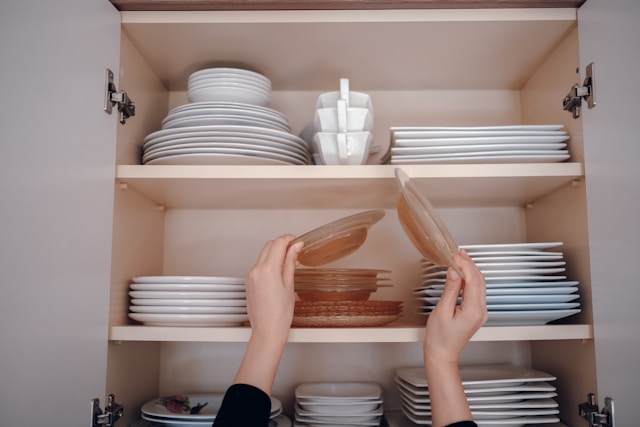
Everyone loves an organized and streamlined space! It’s easy to navigate and makes your brain go, “Ahh.” Reducing clutter and keeping everything neat and tidy can also help promote home health too!
Cleaning these often-neglected spaces helps reduce the number of particles present, including mold spores. Working to not have Tupperware containers and pots and pans packed precariously into your cabinets helps to make cleaning easier and allows you to peek around for any water damage.
4. Address Leaks as Soon as You Discover Them
It’s easy to postpone minor repairs when a leak appears small.
Unfortunately, moisture doesn’t care whether the source seems significant.
A slow drip from a supply line, a loose dishwasher connection, or a minor plumbing issue can expose surrounding materials to moisture day after day. Over time, that repeated exposure can create conditions that support mold growth.
Remember too, all it takes is 24-48 hours of present moisture for mold to begin growing.
If you discover a leak, address both the source of the moisture and any materials that may have been affected.
Stopping the leak is important. Making sure the area dries properly and is cleaned is equally important.
5. Keep Indoor Humidity Between 35-50%
Humidity plays a major role in mold prevention.
When humidity remains elevated for extended periods, moisture can accumulate on windows, inside cabinets, around plumbing penetrations, and on cooler surfaces throughout the home. Over time, those damp conditions can support mold growth.
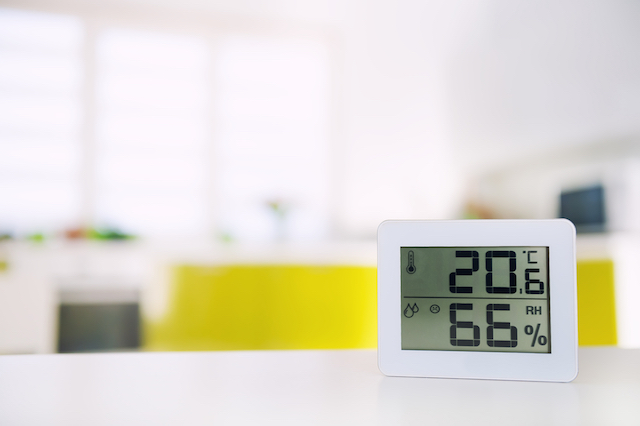
Not to mention, mold can actively grow in humidity of 60% and above. So it is incredibly important to maintain levels between 35-50%.
One of the easiest ways to monitor humidity is with a simple hygrometer. These inexpensive devices provide a real-time reading of indoor humidity and can help identify seasonal trends you may not otherwise notice.
If humidity consistently rises above 50%, consider improving ventilation, running exhaust fans more frequently, or using a dehumidifier if needed.
The goal isn’t to obsess over every fluctuation! Instead, focus on maintaining a relatively stable indoor environment that discourages excess moisture accumulation.
6. Keep Appliances Clean and Dry
Appliances are some of the top places for microbial growth in the kitchen because they use moisture. Cleaning them frequently with botanical cleaning products that contain surfactants helps remove contaminants like mold spores and mycotoxins, as well as food sources such as mineral buildup. Check the manufacturer’s instructions for their suggestions on cleaning methods, products, and frequency.
Another rule of thumb is to ensure they’re dry after every use to further prevent mold in the kitchen.
A few top appliances include:
- Dishwasher
- Coffee maker
- Refrigerator (including the water spout)
- Blender
- Microwave
- Air fryer
7. Don’t Let Water Sit on Surfaces
Countertops, sinks, window ledges, and appliance surfaces experience frequent moisture exposure.
While occasional water isn’t usually a problem, standing moisture that remains for extended periods can contribute to microbial growth and material deterioration over time.
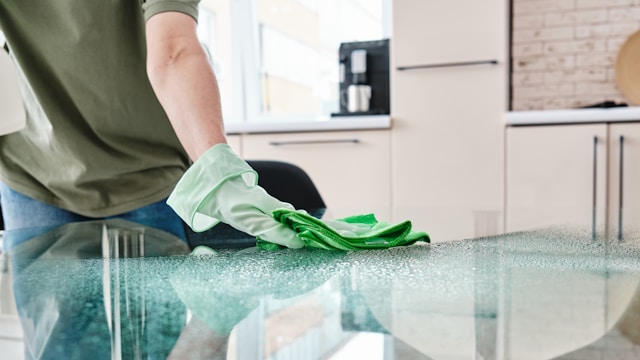
After cooking, cleaning, or washing dishes, take a few moments to wipe down surfaces where water tends to collect.
This simple habit can significantly reduce long-term moisture accumulation.
8. Clean Regularly
This is huge for helping prevent mold in the kitchen. Cleaning often reduces microscopic particles within the space, including mold spores. It also helps reduce food sources for microbial growth, like mineral buildup in the coffee machine.
With that in mind, create a cleaning schedule and equip your cleaning arsenal with the tools needed to battle those microscopic particles.
A quick, birds-eye view of areas to tackle includes:
- Daily: Wipe countertops, clean dishes, remove any particles from the dishwasher, wash out the sink, dry appliances
- Weekly: Mop floors, clean the sink faucet, clean out the fridge, throw dish towels in the laundry, clean the garbage disposal, and dust horizontal surfaces
- Monthly: Deep clean any appliances (like the refrigerator and dishwasher), grout or caulk, cabinets, trash cans,
- Biannually: refrigerator coils and water line
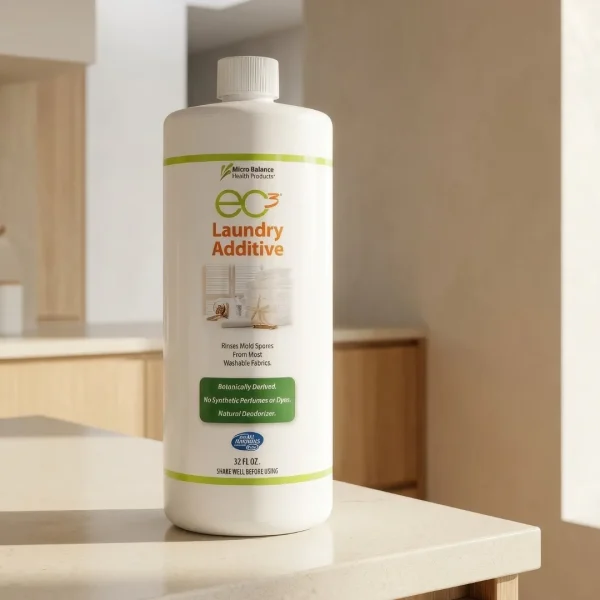
Pro Tip: Throw all machine-washable items in the laundry with a botanical product like EC3 Laundry Additive to help remove microscopic particles from the surface.
9. Don’t Put Wet Dishes or Items in Cabinets
This can create moisture-rich environments that allow for microbial growth. At the risk of sounding like a broken record, mold loves water! That’s why moisture mitigation is at the top of the list to help prevent mold in the kitchen and home, in general.
With that in mind, make sure everything you take out of the dishwasher or drying rack is completely dry before placing it in its designated storage spot.
10. Remove Expired Food and Clean Storage Areas
Food is an excellent food source for mold.
Forgotten produce, expired leftovers, neglected pantry items, and food debris hidden in drawers or storage areas can all contribute to microbial growth.
Regularly cleaning refrigerators, pantries, and food storage spaces not only helps prevent mold but also improves overall kitchen cleanliness and organization.
A quick monthly cleanout can go a long way.
11. Replace Kitchen Sponges and Cleaning Tools Regularly
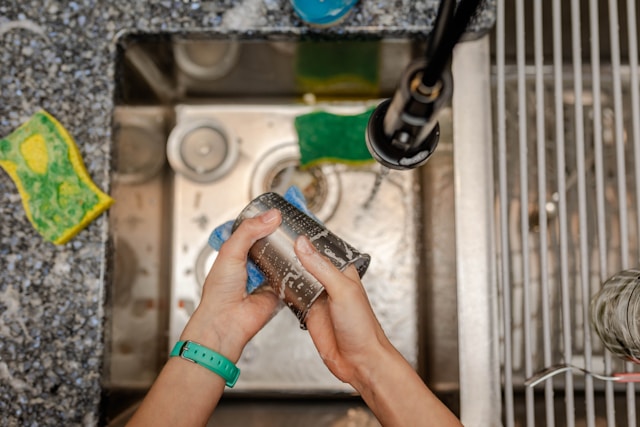
Kitchen sponges spend a lot of their lives damp…
While they are unlikely to create a significant mold issue within the home itself, they can harbor bacteria and microbial growth if not replaced regularly. The result? Particles all over anything you use that sponge to clean.
Allow cleaning tools to dry thoroughly between uses, clean all tools regularly, and replace heavily worn sponges on a routine basis.
Maintaining good kitchen hygiene supports a healthier overall indoor environment.
Collectively, these actions will help keep your kitchen in tip-top shape.
12. Take Musty Odors Seriously
One of the most common things we hear from homeowners is:
“I knew something didn’t seem right.”
Many people notice a smell long before they notice visible damage.
A persistent musty odor doesn’t automatically mean mold is present, but it does suggest that something deserves a closer look. Moisture issues, hidden water damage, and microbial growth can all produce odors that linger even when no visible signs are apparent.
If a smell continues to return despite cleaning and normal maintenance, it’s worth investigating further rather than assuming it will resolve on its own.
Cleaning Products We Recommend
No cleaning product can solve an ongoing moisture problem. If water continues to enter an area, the source of that moisture must be addressed.
That said, certain products can be helpful as part of a routine cleaning and maintenance plan.
Some of the products we commonly recommend include:
EC3 products
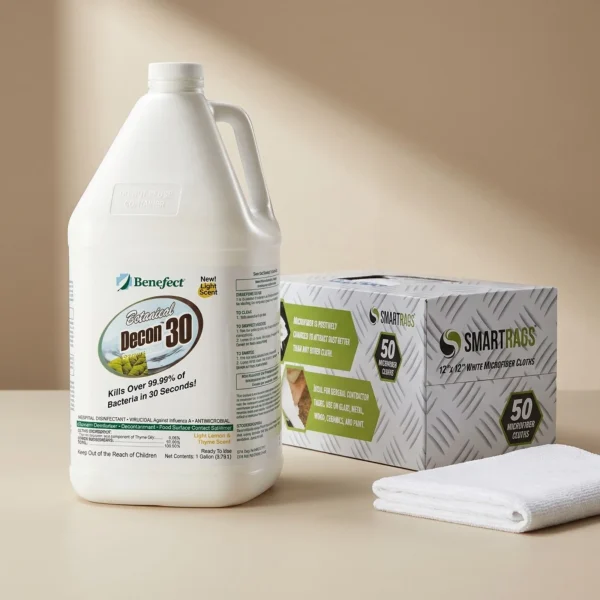
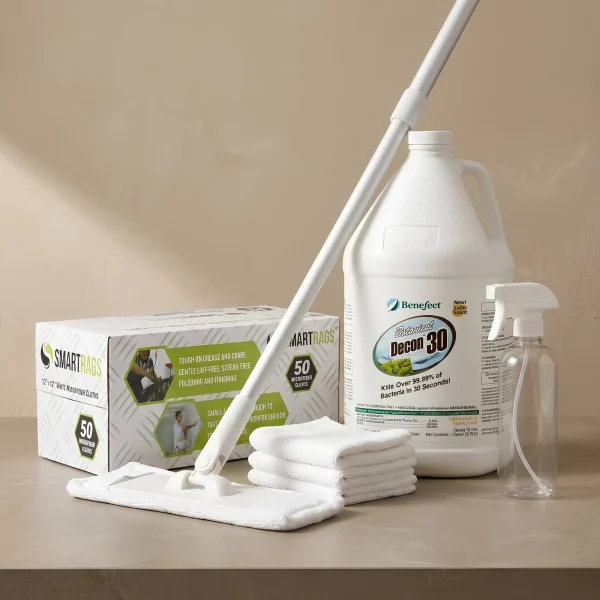
Benefect products
Hydrogen peroxide-based cleaners
Quality microfiber cleaning materials
The most important step is not choosing the perfect cleaner. It’s identifying and controlling moisture before mold has the opportunity to grow.
-

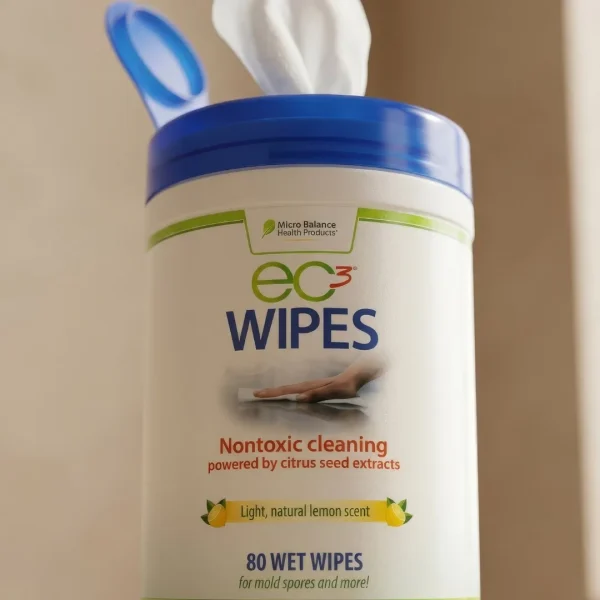
EC3 Wipes
Clean, deodorize, and tackle mold spores anywhere and everywhere with our NEW EC3 Wipes! These...
-
$18.00 Shop Now -
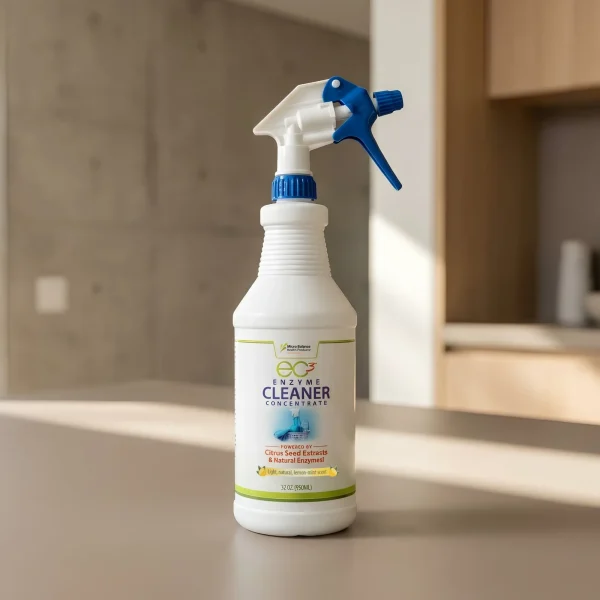
EC3 Enzyme Cleaner Concentrate
EC3 Enzyme Cleaner Concentrate is specifically blended for cleaning and stain removal. Its formula enzymatically...
-
$34.50 Shop Now -
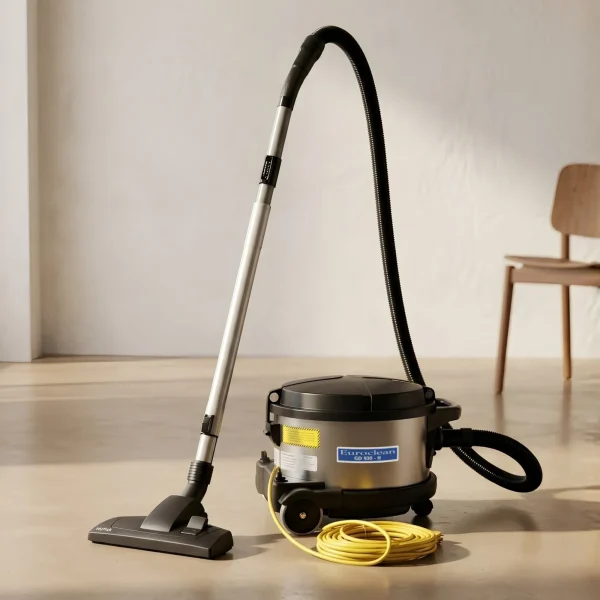
EuroClean 4 Gallon Hepa Vacuum
The Euroclean GD930HSP is a 4 Gallon Dry HEPA Vacuum that meets the EPA's standards...
-
$849.00 Shop Now -
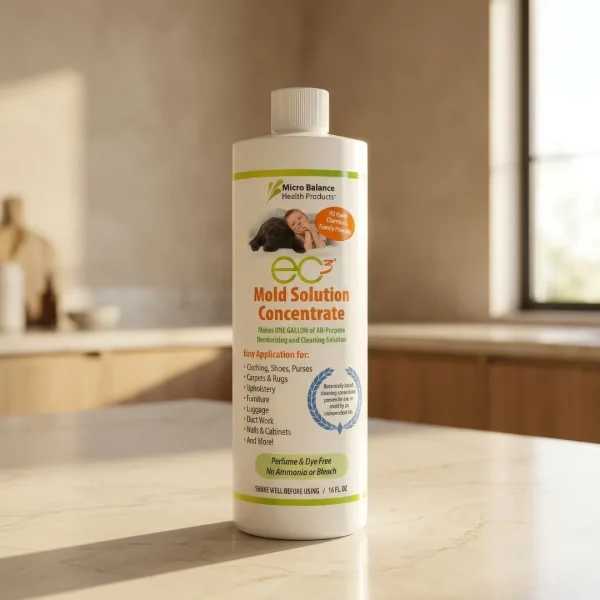
EC3 Mold Solution Concentrate
Micro Balance EC3 Mold Solution Concentrate is a natural botanical that removes mold spores, bacteria,...
-
$33.00 Shop Now -
HomeCleanse Cleaning
Take your cleaning to the next level buying all the tools we use to keep...
-
Price range: $299.00 through $549.00 Shop Now -
EC3 Laundry Additive
Add EC3 to every rinse cycle to rinse away mold, bacteria and musty odors from...
-
$23.00 Shop Now
Frequently Asked Questions
Can mold grow under a kitchen sink?
Yes. Under-sink cabinets are one of the most common locations for hidden moisture issues because small plumbing leaks can go unnoticed for long periods.
What humidity level helps prevent mold growth?
In most homes, maintaining humidity between 35-50% helps reduce the likelihood of moisture-related issues.
Can mold grow behind a dishwasher?
Yes. Leaks, condensation, plumbing failures, and moisture accumulation can create conditions that support mold growth behind or beneath dishwashers.
Does a musty smell always mean mold?
Not necessarily. However, persistent musty odors often indicate a moisture-related issue that deserves further investigation.
How often should I inspect my kitchen for moisture issues?
A quick monthly inspection of sinks, appliances, windows, and cabinets can help identify small problems before they become larger concerns.
Still Have Questions?
If you’ve found concerning inspection findings, noticed recurring moisture issues, or simply aren’t sure what steps make sense next, you’re not alone.
One of the most common frustrations we hear from homeowners is that they’ve received conflicting advice and don’t know who to trust.
Our Wellness Guides help homeowners understand inspection reports, testing results, moisture concerns, and potential next steps so they can make informed decisions with confidence.
Because getting answers is often the first step toward peace of mind.

At the end of the day, no one wants to deal with mold in their home. Especially when it’s hanging out beside your dinner ingredients. Working to prevent mold in the kitchen will not only help keep your space clean but also healthy!
With how much time we spend indoors, especially in highly trafficked areas like the kitchen, it’s important to ensure these spaces support our wellness and don't negatively affect it. That way, we can focus on what really matters: living a happy life full of all the things we love
Citations:
- Lstiburek, J., Brennan, T., & Yost, N. (2002, January 15). Rr-0208: What you need to know about mold. Building Science Corporation. Retrieved from, https://www.buildingscience.com/documents/reports/rr-0208-what-you-need-to-know-about-mold/view.
- Environmental Protection Agency. (n.d.). Mold. EPA. Retrieved from https://www.epa.gov/mold.
- Centers for Disease Control and Prevention. Basic facts about mold and dampness. Centers for Disease Control and Prevention. Retrieved from https://www.cdc.gov/mold/faqs.htm.
- World Health Organization. (n.d.). Mycotoxins. World Health Organization. Retrieved from https://www.who.int/news-room/fact-sheets/detail/mycotoxins.
- FDA. (2016, September 30). Food and Drug Administration COMPLIANCE PROGRAM GUIDANCE MANUAL. Food and Drug Administration. Retrieved from https://www.fda.gov/media/140749/download.
- EPA. (n.d.). Health and Environmental Effects of Particulate Matter (PM). EPA. Retrieved from https://www.epa.gov/pm-pollution/health-and-environmental-effects-particulate-matter-pm.
- Nchh. (n.d.). Mold. NCHH. Retrieved from https://nchh.org/information-and-evidence/learn-about-healthy-housing/health-hazards-prevention-and-solutions/mold/
- Environmental and Occupational Health Assessment Program, & Environmental and Occupational Health Assessment Program, & Health Science Section, Mold Basics for Primary Care Clinicians (2009). Hartford, CT; Connecticut Department of Public Health. , H. S. S., Mold Basics for Primary Care Clinicians 1–10 (2009). Hartford, CT; Connecticut Department of Public Health.
- Curtis, L., Lieberman, A., Stark, M., Rea, W., & Vetter, M. (2004). Adverse health effects of indoor molds. Journal of Nutritional & Environmental Medicine, 14(3), 261-274.
- Bush, R. K., Portnoy, J. M., Saxon, A., Terr, A. I., & Wood, R. A. (2006). The medical effects of mold exposure. Journal of Allergy and Clinical Immunology, 117(2), 326-333
- Fisk, W. J., Lei-Gomez, Q., & Mendell, M. J. (2007). Meta-analyses of the associations of respiratory health effects with dampness and mold in homes. Indoor air, 17(4), 284-296.
- Wild, C. P., & Gong, Y. Y. (2010). Mycotoxins and human disease: a largely ignored global health issue. Carcinogenesis, 31(1), 71-82.
- Bennett JW, Klich M. Mycotoxins. Clin Microbiol Rev. 2003 Jul;16(3):497-516. doi: 10.1128/CMR.16.3.497-516.2003. PMID: 12857779; PMCID: PMC164220.
Must-Have Indoor Air Quality Tools
-
EC3 Laundry Additive
Add EC3 to every rinse cycle to rinse away mold, bacteria and musty odors from...
-
$23.00 Shop Now -
HomeCleanse Shield
Turn your HVAC into the healthiest feature of your home.
-
$2,495.00 Shop Now -
HomeCleanse Cleaning
Take your cleaning to the next level buying all the tools we use to keep...
-
Price range: $299.00 through $549.00 Shop Now -
Mold & Bacteria Contents Cleaning
Remove harmful pollutants that accumulate in the dust of your home. (Options available for renters...
-
Price range: $99.00 through $349.00 Shop Now -
EC3 Mold Solution Concentrate
Micro Balance EC3 Mold Solution Concentrate is a natural botanical that removes mold spores, bacteria,...
-
$33.00 Shop Now -
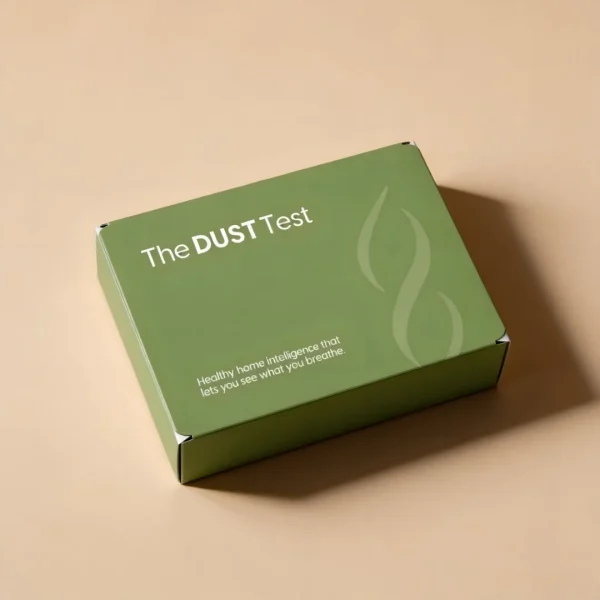
The Dust Test
Optimizing Air Quality starts with finding what’s not optimal. *Detects 36 different species of mold...
-
$299.00 Shop Now -
EuroClean 4 Gallon Hepa Vacuum
The Euroclean GD930HSP is a 4 Gallon Dry HEPA Vacuum that meets the EPA's standards...
-
$849.00 Shop Now