Short Answer: What are mold remediation red flags?
Mold remediation red flags are warning signs that a treatment plan may be incomplete, overly simplified, or not designed to address the full scope of contamination within a home. This can include failing to address underlying moisture issues, ignoring how contamination spreads through air and dust, or not accounting for microscopic byproducts like mycotoxins.
When these factors are missed, homeowners may experience recurring mold growth, continued exposure, and the need for repeat remediation.
If you’re here, something probably feels… off
Maybe you’ve gotten a quote.Maybe someone already “handled it.”Or maybe you’re trying to figure out if you even need professional mold remediation in the first place.
Whatever brought you here, there’s usually one common thread:
Something doesn’t quite add up.
Here’s the part most people don’t hear early enough:
Mold problems don’t usually continue because nothing was done. They continue because the wrong remediation approach was used.
And that’s not always obvious at first.

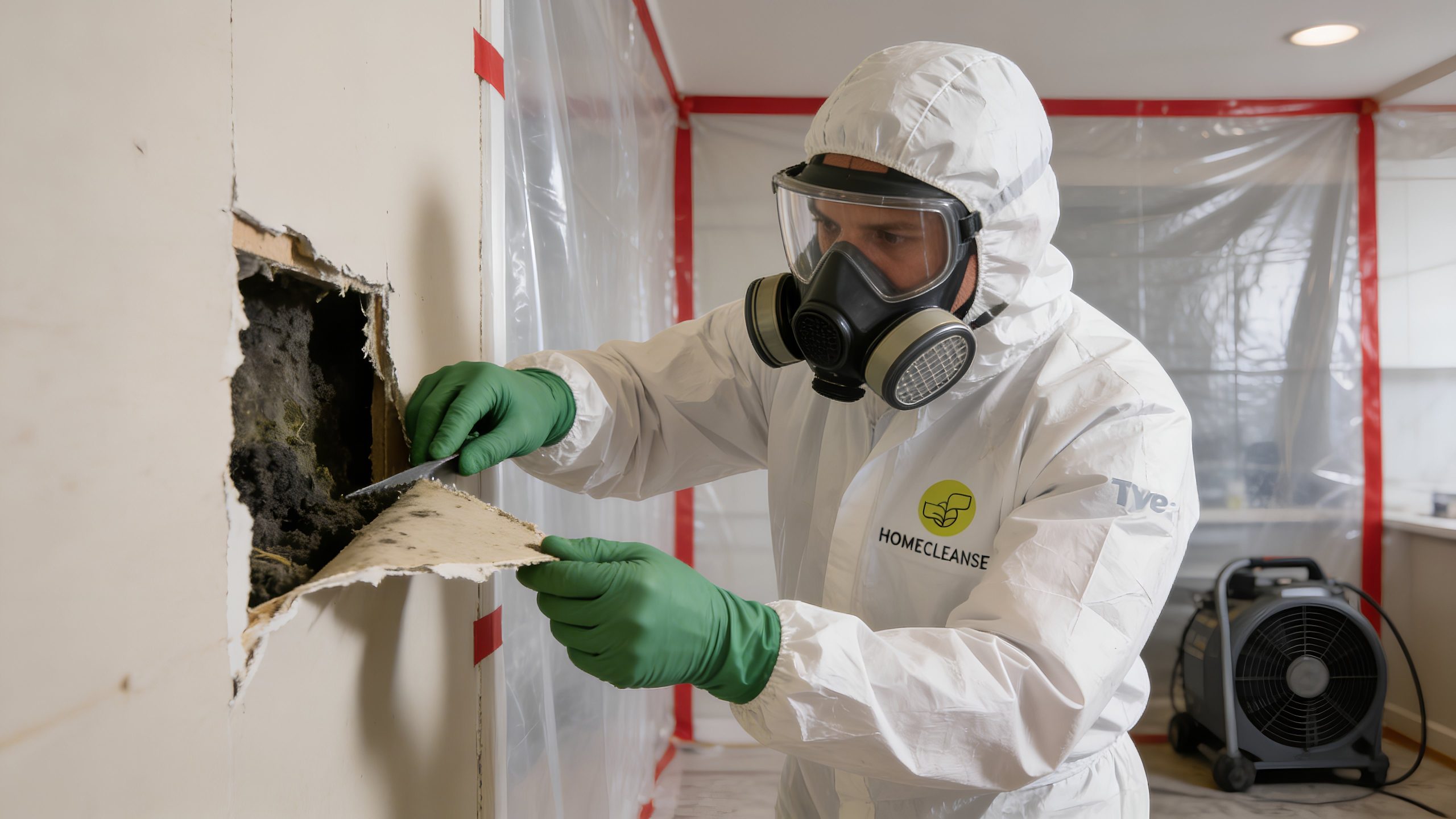
🚩 1. There’s little or no mention of containment
If the plan doesn’t clearly explain how affected areas will be isolated… That’s a problem.
Why it matters:
During remediation, particles are disturbed. Without proper containment and negative air pressure, those particles don’t disappear, they spread into other parts of the home.
This is where things can go sideways. A “fix” in one room can quietly become a problem in three others.
🚩 2. The solution is “fogging,” “spraying,” or “treating the air”
If the plan centers around fogging or spraying as the primary solution… That’s a shortcut.
Why it matters:
Air treatments alone don’t remove contamination embedded in:
porous materials
dust reservoirs
structural components
They may temporarily change the environment, but they don’t resolve the underlying issue. Not to mention, dead mold still contains allergenic and inflammatory components.
Fogging also:
doesn’t remove the source
can create false confidence
doesn’t address moisture or root cause
may add chemical load to the space
🚩 3. The HVAC system isn’t part of the plan
If no one is asking about or addressing your HVAC system… That’s a major miss.
Why it matters:
Your HVAC system acts like the lungs of your home. If contamination has entered the system, it can continuously redistribute particles throughout every room.
🚩 4. The plan focuses only on visible mold
If the strategy is based on what can be seen… It’s incomplete.
Why it matters:
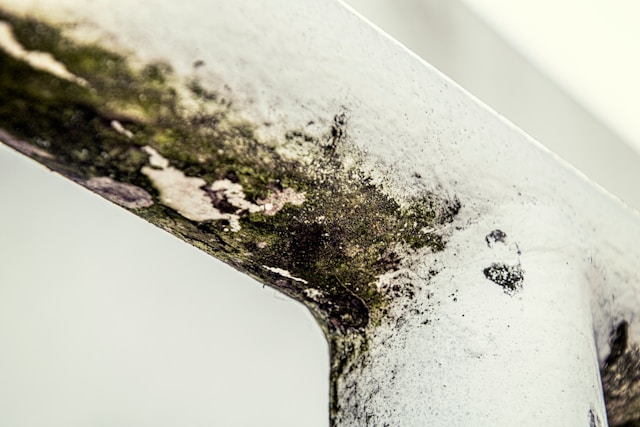
Mold growth is often just the visible indicator of a larger issue. Microscopic particles and contaminants can exist far beyond what’s visible. Not to mention, not all sources are visible in the first place.
This is why some homes still feel “off” afterward.
🚩 5. There’s no clear plan for handling mycotoxins or microscopic contaminants
If the company can’t explain how they address mycotoxins, bacteria, or endotoxins… That’s a critical gap.
Why it matters:
Even after mold is removed, microscopic byproducts can remain in:
dust
air
porous materials
These can continue to impact indoor air quality and overall home conditions.
🚩 6. Everything is treated as “cleanable”
If the plan suggests all materials can simply be cleaned… Be cautious.
Why it matters:
Some materials hold contamination deeply and cannot be fully restored. Keeping them in place can contribute to recurring issues.

🚩 7. The process sounds overly simple or unusually fast
If the remediation is described as:
a quick job
a one-step solution
or completed in a very short timeframe without detail
That’s a red flag.
Why it matters:
Proper remediation is a multi-step process, often including:
containment
removal
detailed cleaning
environmental correction
verification
Oversimplification usually means something is being skipped.
🚩 8. The plan is based on limited or incomplete data, and no one questions it
If the remediation plan is built on:
a minimal inspection
very limited sampling
or incomplete information
…and the company moves forward without addressing those gaps… That’s a problem.
Why it matters:
A strong remediation company doesn’t just follow a report. They evaluate whether the information is actually enough to build a reliable plan.
🚩 9. You receive a quote without a clear explanation of why that plan
If you’re given a number without a breakdown of:
what’s being done
why it’s necessary
and how it connects to your home
That’s a disconnect.
Why it matters:
You should understand how each step contributes to improving your environment.

🚩 10. There’s no plan for whole-home dust and cross-contamination cleanup
If the focus is only on the “problem area”… Something’s missing.
Why it matters:
Dust acts like a record of what’s been moving through your air. Contaminated particles can settle throughout the home and be reintroduced even after remediation.
This is how a “fixed” home can still cause problems.
🚩 11. There’s no clear post-remediation verification process
If there’s no defined way to confirm the work was successful…You’re relying on an assumption.
Why it matters:
Verification provides data that the environment has actually improved, not just been treated.
🚩 12. The same solution is recommended regardless of your home
If the plan feels templated or one-size-fits-all… Be cautious.
Why it matters:
Every home behaves differently. Airflow, materials, and moisture patterns all influence how contamination develops and spreads.
🚩 13. No consideration of how the environment affects the people inside the home
If there’s no discussion of how the home environment may be impacting occupants… That’s a missed layer.
Why it matters:
Some individuals are more sensitive to environmental conditions. A thoughtful remediation approach should take that into account.
Quick Checklist: Mold Remediation Red Flags
- No containment plan
- Over-reliance on fogging or sprays
- HVAC not addressed
- Only visible mold treated
- No plan for mycotoxins or microscopic contaminants
- Everything treated as cleanable
- Process feels rushed or oversimplified
- Plan built on incomplete data
- No explanation behind the quote
- No dust or cross-contamination cleanup
- No post-remediation verification
- One-size-fits-all approach
- No consideration of occupant sensitivity
Why mold problems keep coming back
It’s rarely because someone didn’t try.
It’s usually because:
- the contamination wasn’t fully addressed
- the environment that allowed it wasn’t corrected
- or the approach didn’t account for how particles move, settle, and re-enter the air
When the understanding of the home is incomplete, the solution will be too.
What about DIY?
Taking action in your home is always a step forward.
But mold remediation isn’t just cleaning. It’s managing how contamination:
- spreads
- settles
- and circulates through your home
If professional mold remediation services aren’t immediately feasible:
- Talk to an expert first
- Avoid disturbing affected areas without containment
- Focus on reducing spread, not just removing what’s visible
Even a short conversation can help you avoid steps that unintentionally make things worse.

If you’re trying to figure out what to do next
You don’t need to have all the answers before taking the next step.
But you do want to make sure the plan you follow is based on a clear understanding of your home.
If something feels off, or if you’ve already been given a plan and aren’t sure it actually solves the problem, book a consultation with us at HomeCleanse
We’ll walk through your situation, help you identify what may be missing, and give you a clear, grounded path forward.
Schedule Your FREE Call
A member of our team is here to help! Click on “Get Started ➤” below to book a free consultation with a member of the HOMECLEANSE team. We have a few quick questions that will help us put together a roadmap to solve or prevent all of your mold problems.
Two minutes of your time could lead to better health for you and your family.
You can also explore:

Frequently Asked Questions
Why does mold come back after remediation?
Because the underlying conditions that allowed it to grow weren’t fully resolved, or contamination remained in hidden areas or materials.
Is fogging enough to fix mold?
No. Fogging alone does not remove embedded contamination or address environmental drivers.
Can I handle mold myself?
Some small issues may be manageable, but without proper containment and understanding of how contamination spreads, DIY efforts can make things worse.
What makes mold remediation actually successful?
A complete approach that includes containment, removal, detailed cleaning, environmental correction, and verification.
Must-Have Indoor Air Quality Tools
-

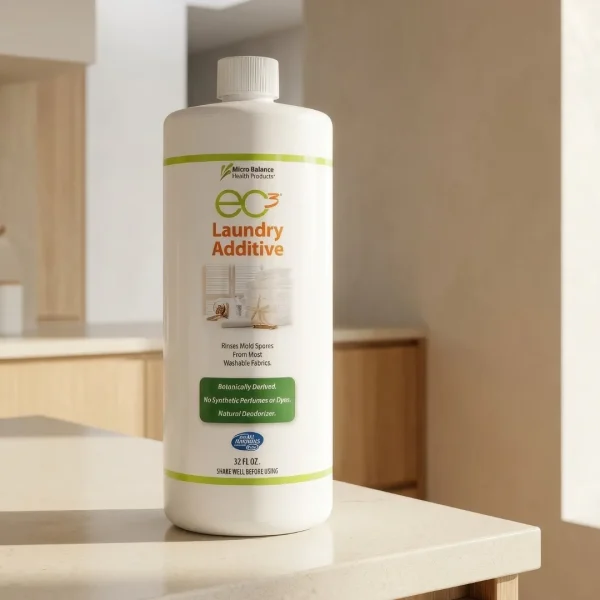
EC3 Laundry Additive
Add EC3 to every rinse cycle to rinse away mold, bacteria and musty odors from...
-
$23.00 Shop Now -
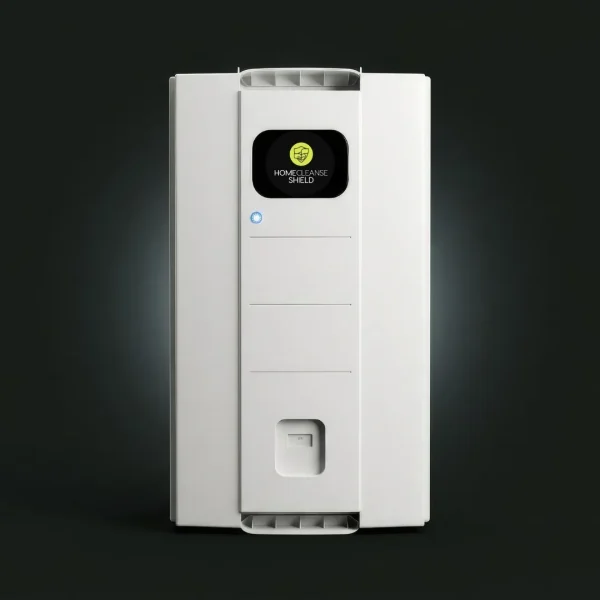
HomeCleanse Shield
Turn your HVAC into the healthiest feature of your home.
-
$2,495.00 Shop Now -
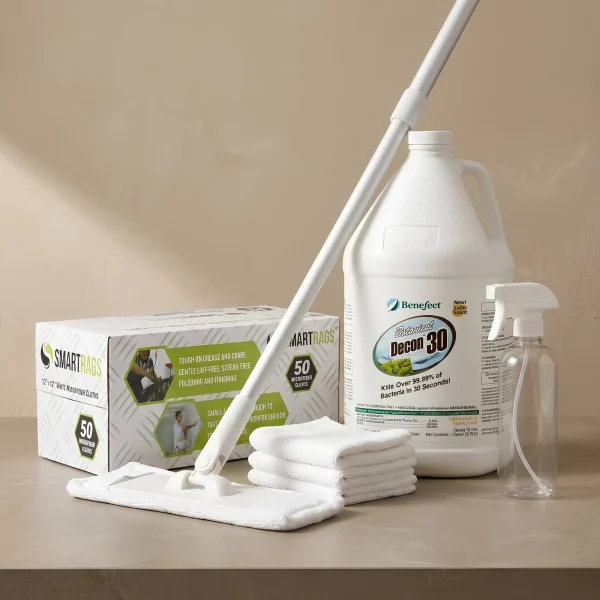
HomeCleanse Cleaning
Take your cleaning to the next level buying all the tools we use to keep...
-
Price range: $299.00 through $549.00 Shop Now -
Mold & Bacteria Contents Cleaning
Remove harmful pollutants that accumulate in the dust of your home. (Options available for renters...
-
Price range: $99.00 through $349.00 Shop Now -
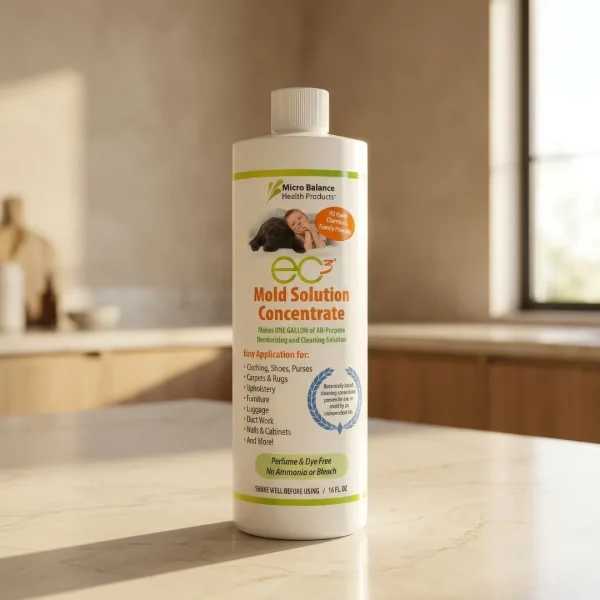
EC3 Mold Solution Concentrate
Micro Balance EC3 Mold Solution Concentrate is a natural botanical that removes mold spores, bacteria,...
-
$33.00 Shop Now -
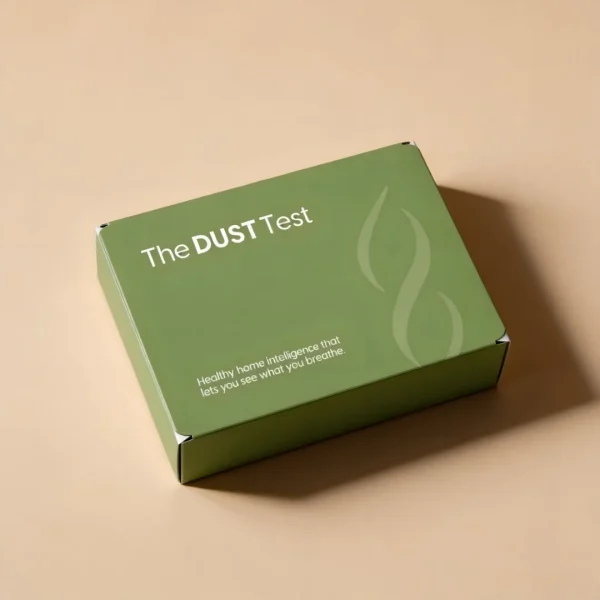
The Dust Test
Optimizing Air Quality starts with finding what’s not optimal. *Detects 36 different species of mold...
-
$299.00 Shop Now -
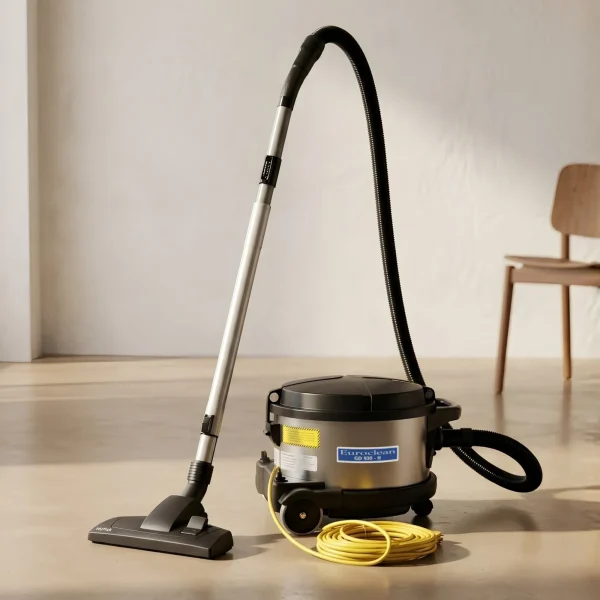
EuroClean 4 Gallon Hepa Vacuum
The Euroclean GD930HSP is a 4 Gallon Dry HEPA Vacuum that meets the EPA's standards...
-
$849.00 Shop Now