
Quick Snapshot
Supporting someone dealing with mold exposure or environmental illness starts with believing their symptoms, educating yourself on indoor air quality, helping reduce daily stressors, and advocating for answers. Because environmental triggers like mold can affect people differently, emotional support and addressing the source of exposure are both essential for recovery.

Supporting someone suffering from environmental exposures, like mold and its byproducts, can feel overwhelming for a number of reasons.
You might be living in the same house, but not experiencing any symptoms.
It may be a topic you’re completely unfamiliar with.
You might feel frustrated by how difficult it is to get answers or proper medical support.
The list can go on.
At the heart of it all, though, your friend, spouse, or family member isn’t looking for perfection. They’re looking for support. Someone to stand beside them during the days of painful symptoms, uncertainty, and emotional exhaustion.
Learning to be that supportive foundation is one of the most powerful steps you can take.
If you’re reading this, chances are you care deeply about someone who isn’t feeling like themselves lately. That alone matters more than you might realize.
The journey to get there may be a little rockier than either of you would like. But it’s important to remember this: healing is possible.

1. Believe Them
Unfortunately, environmental factors like poor indoor air quality and mold exposure are rarely the first thing considered when someone is dealing with chronic or unexplained symptoms.
Many individuals spend months or even years going from doctor to doctor, receiving answers that sound like:
“I don’t know.”
“There’s nothing wrong with you.”
“Take these prescriptions.”
“It’s something you’ll just have to live with.”
Hearing those non-answers can be deeply demoralizing.
Imagine knowing something feels wrong in your body, but not having the key to fixing it. Even worse, not being believed. That experience can feel isolating, confusing, and at times, make someone question their own reality.
This is where your role becomes incredibly important.
The first and most powerful step you can take is to believe them.
This is a two-part process:
- believing that their symptoms are real
- believing that an environmental trigger, like mold exposure, could be contributing to their declining health
It sounds simple, but when you break it down, it can feel more complicated than expected.
You may find yourself thinking:
How can this be happening if I feel fine?
Why aren’t doctors talking about this?
Is this really the cause?
Those thoughts are normal.
You might be living in the same environment and not experiencing any symptoms. You may have never heard of environmentally driven illness before. And going against traditional medical guidance can feel uncomfortable.
But for the person experiencing symptoms, this isn’t theoretical. It’s their daily reality.
They’re not feeling well. They’re scared. They’re searching for answers.
And more than anything, they need someone in their corner who believes them.

2. Dive Into Research
Part of learning to support someone through environmental illness is building your own understanding.
Immerse yourself in research. Learn about their symptoms, potential environmental triggers, and how indoor air quality can impact overall health.
When it comes to mold exposure, this can be especially challenging. There is a significant amount of misinformation out there, including the belief that mold is only harmful if it’s visible or labeled as “toxic mold.”
In reality, mold exposure can affect individuals very differently.
Factors that influence this include:
- the type of mold present
- whether it produces microscopic toxins (mycotoxins)
- duration and level of exposure
- genetics
- preexisting health conditions
One person may experience mild symptoms like occasional congestion or fatigue. Meanwhile, another person in the same environment may experience neurological issues, digestive problems, or chronic fatigue that significantly impacts daily life.
Research continues to show that indoor air quality can influence respiratory, immune, and neurological health, particularly with prolonged exposure or heightened sensitivity.
If you’re trying to better understand whether an environment could be contributing to symptoms, tools like The Dust Test can help provide insight into what’s been present in a home over time, rather than just a single moment snapshot.
By becoming more informed, you’ll not only better understand what your loved one is experiencing, but you’ll also be able to help navigate what can feel like a very long and confusing journey.
Because the truth is, this situation can be a lot.
It can come with unexpected financial strain, major lifestyle changes, and emotional ups and downs that are hard to predict.
You may see your loved one change in ways you didn’t expect. Lower energy. Less engagement. More frustration or withdrawal.
That can be difficult to witness. And difficult to understand.
But having a clearer understanding of what may be happening beneath the surface can help replace confusion with compassion.
And if you don’t have all the answers? That’s okay.
Reach out to professionals in indoor air quality, remediation, or functional medicine. Connect with others who have gone through similar experiences.
You are not alone in this.

3. Be the Helping Hand
Mold exposure and poor indoor air quality can lead to a wide range of symptoms.
Some may be mild but persistent:
- •coughing
- •runny nose
- •fatigue
- •headaches
- •rashes
- •brain fog
Others can be more severe:
- •respiratory issues
- •digestive problems
- •neurological symptoms
- •psychological challenges
- •chronic fatigue
Over time, the body can become worn down from constantly trying to respond to these environmental stressors.
When that happens, even simple daily tasks can feel overwhelming.
On days when symptoms flare, even basic things like cooking, cleaning, or making decisions can feel like too much.
What looks small from the outside can feel impossible from the inside.
This is where small, thoughtful acts of support can make a meaningful difference.
- Helping around the house
- Running errands
- Taking care of children
- Preparing meals
Some people will clearly communicate what they need. Others may hesitate because they don’t want to feel like a burden.
Instead of asking, “What can I help with?”
Try offering something specific:
“I’m heading to the store. Can I grab anything for you?”
“I’m making dinner tonight. I’ll bring you something.”
As healing begins, support may also include helping them maintain a healthier environment.
That could mean improving air filtration, reducing dust buildup, or supporting better humidity control throughout the home.
The body is capable of healing. But it becomes much easier when there’s support in place.
4. Push for Answers
Being your own health advocate is not easy.
Most of us are taught to trust the system and assume answers will come quickly. But when environmental factors are involved, the path to answers can be much longer and more complex.
Many individuals go through dozens or even hundreds of appointments before identifying the root cause of their symptoms.
That’s why your presence matters.
You can help fill in gaps during appointments, take notes when brain fog makes it difficult to retain information, ask important questions, and provide emotional support.
Two advocates are always better than one.
Once a potential environmental trigger is identified, the next step becomes clear: it has to be addressed.
Because true healing cannot fully happen if exposure is ongoing.
This is one of the most important and often overlooked parts of the process.
The body cannot fully recover if it’s still being exposed to the trigger that caused the issue in the first place.
That’s why identifying and addressing the source, whether it’s within the home, workplace, or another environment, is critical.
If the source is the home, this may involve professional mold remediation and environmental cleaning to restore safer indoor air quality.
If it’s a workplace, it may require difficult decisions about time spent in that environment.
These are not small changes.
They can be overwhelming, disruptive, and emotionally taxing, especially while someone is already trying to heal.
And once exposure is reduced or removed, the healing process itself takes time.
It may include dietary changes, targeted supplementation, and protocols designed to help the body process and eliminate built-up toxins.
It’s not immediate. It’s not linear. But it is possible.
5. Be Understanding and Patient
This process can be heavy.
There’s uncertainty.
There’s financial stress.
There’s emotional exhaustion.
And for the person experiencing symptoms, those feelings are often amplified.
Many individuals dealing with mold exposure report feeling anxious, overwhelmed, guilty, or isolated.
They may struggle with not feeling like themselves. Not being able to show up fully for their family. Not having clear answers.
Your role here is not to fix everything.
It’s to be present.
Listen when they need to talk. Offer reassurance when they feel uncertain. Create moments of normalcy when possible.
Empathy doesn’t require perfect understanding.
It requires willingness.

6. Don’t Forget About You
Supporting someone through environmental illness can start to feel like a full-time job.
And in the process, it’s easy to forget about yourself.
Your feelings matter too.
This situation doesn’t just affect one person. It impacts relationships, routines, finances, and emotional wellbeing across the board.
You may feel stressed, frustrated, overwhelmed, or unsure of what to do next.
All of those feelings are valid.
Finding your own support system can make a meaningful difference.
Whether that’s friends, family, or others who have gone through similar situations, having a space where you can process your experience matters.
Take time to recharge. Step away when needed. Give yourself permission to rest.
You can’t pour from an empty cup.
And if this process feels overwhelming at times, that doesn’t mean you’re doing it wrong. It means you’re human.

7. Don’t Give Up
There may be moments where it feels like you’re not making progress.
Moments where the path forward isn’t clear.
That doesn’t mean you’re stuck. It means you’re in the middle of the process.
If things feel difficult, try to remember who your loved one was before they started feeling this way.
They’re still there.
They just need time, support, and the right environment to heal.
Be the person you would want in your corner.
Stay patient.
Stay supportive.
Stay hopeful.
Because healing is possible.
A Final Thought
If you’re still trying to understand whether the home environment could be playing a role, gaining clarity is often the first step toward real answers.
Because when you understand what you’re dealing with, you can finally start moving forward.

Frequently Asked Questions
What are signs someone is affected by mold exposure?
Common signs include fatigue, brain fog, headaches, respiratory issues, skin irritation, and digestive problems. Symptoms vary widely depending on the individual and exposure level. Also, exposure triggers a multisystemic reaction, so symptoms can span the entire body.
Why do some people react to mold while others don’t?
Sensitivity depends on genetics, immune function, exposure levels, and overall health. Two people in the same environment can experience completely different symptoms.
How can I support someone dealing with environmental illness?
Support includes believing their symptoms, helping with daily tasks, learning about environmental triggers, advocating for answers, and helping reduce ongoing exposure.
Can mold exposure affect mental health?
Yes. Poor indoor air quality and mold exposure have been associated with anxiety, mood changes, and cognitive difficulties, particularly in sensitive individuals.
What is the first step in addressing mold exposure?
The first step is identifying whether mold or contaminants are present through inspection or environmental testing, such as analyzing household dust for long-term exposure patterns.
Does cleaning alone fix mold problems?
Cleaning may reduce surface-level contamination, but underlying moisture issues or hidden growth often require proper remediation.
Must-Have Indoor Air Quality Tools
-

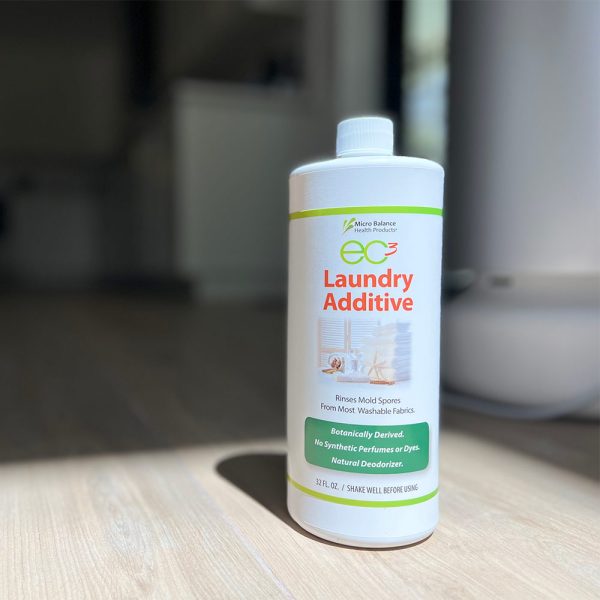
EC3 Laundry Additive
Add EC3 to every rinse cycle to rinse away mold, bacteria and musty odors from...
-
$23.00 Shop Now -

HomeCleanse Shield
Turn your HVAC into the healthiest feature of your home.
-
$2,495.00 Shop Now -
HomeCleanse Cleaning
Take your cleaning to the next level buying all the tools we use to keep...
-
Price range: $299.00 through $549.00 Shop Now -
Mold & Bacteria Contents Cleaning
Remove harmful pollutants that accumulate in the dust of your home. (Options available for renters...
-
Price range: $99.00 through $349.00 Shop Now -

EC3 Mold Solution Concentrate
Micro Balance EC3 Mold Solution Concentrate is a natural botanical that removes mold spores, bacteria,...
-
$33.00 Shop Now -

The Dust Test
Optimizing Air Quality starts with finding what’s not optimal. *Detects 36 different species of mold...
-
$299.00 Shop Now -
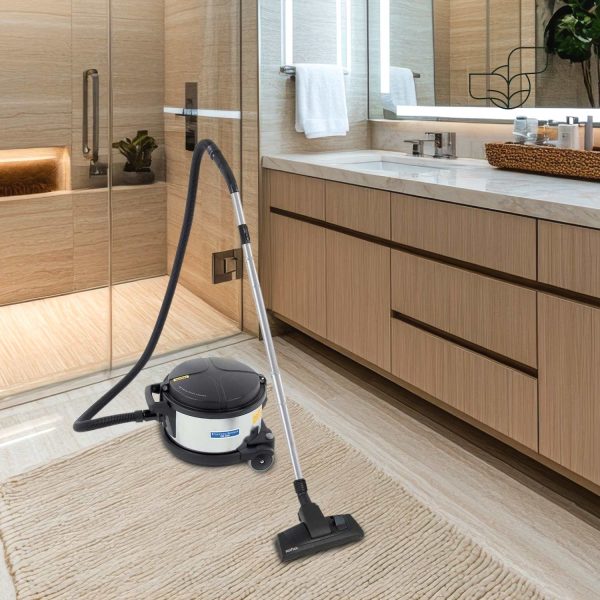
EuroClean 4 Gallon Hepa Vacuum
The Euroclean GD930HSP is a 4 Gallon Dry HEPA Vacuum that meets the EPA's standards...
-
$849.00 Shop Now