A Homeowner’s Guide to Asking the Right Questions (and Getting Real Answers)
Most people think an inspection answers one question:
👉 “Is there mold or not?”
But that’s not actually the goal…
A great inspection answers something much more powerful:
👉 “What’s happening in my home and why?”
Because mold isn’t just a spot on a wall. It’s a signal that the environment inside the home is out of balance.
And if that environment isn’t fully understood?
Problems get missed.
Remediation fails.
Symptoms continue.
This guide helps you avoid all that by showing you which questions to ask a mold inspector.
The Mindset Shift: You’re Not Hiring a Tester. You’re Hiring an Investigator
Think of a mold inspector like a detective.
A basic inspector = checks a few obvious clues
A great inspector = reconstructs the entire story
Because contamination doesn’t just sit in one place.
It hides in:
walls
HVAC systems
insulation
crawlspaces
attics
And then it spreads through the home like invisible confetti.

8 questions to ask a mold inspector So you Get Real Clairty
Bring this with you. Ask it directly. Don’t soften it.
Trust us, the right professional will respect you more for it.
1. “What happens if you don’t find anything?”
Why you’re asking: You’re trying to understand how confident they are in their process.
This is one of the top questions you should ask a mold inspector! Some inspections miss problems not because nothing is there, but because the inspection wasn’t thorough enough to find it.
What to listen for:
Do they stand behind their findings?
- Do they explain how they rule things out, not just confirm them?
👉 A strong inspector isn’t guessing. They’re systematically eliminating possibilities.
2. “Do you rely mostly on air samples?”
Why you’re asking: Air samples sound impressive, but they only capture a tiny moment in time.
Think of it like taking one sip of ocean water and deciding whether the whole ocean is clean.
What to listen for:
Do they use air sampling as one tool, not the main tool?
- Do they talk about finding sources, not just measuring air?
👉 The goal isn’t just “what’s floating right now.” It’s “what’s creating it in the first place.”

3. “How do you find mold that’s behind walls?”
Why you’re asking: A lot of contamination lives completely out of sight.
If they only focus on what’s visible, they can miss the real problem.
What to listen for:
Tools like thermal imaging, moisture meters, or wall cavity testing
A clear explanation of how they investigate hidden areas
👉 You’re looking for someone who understands the structure of the home, not just the surface.
4. “How many samples do you take and what kind?”
Why you’re asking: More samples = more data = clearer answers.
Too few samples can make a home look “fine” when it’s not.
What to listen for:
A mix of sample types (air, surface, dust, wall cavity)
A strategy behind where they test, not random placement
👉 Each sample is a clue. You want enough clues to tell the full story, not just part of it.
5. “How do you investigate moisture?”
Why you’re asking: Mold doesn’t grow without moisture.
If moisture isn’t identified, the problem can come right back even after remediation.
What to listen for:
Moisture mapping
Humidity readings
Discussion of things like condensation or airflow
👉 Finding mold is helpful. Finding why it was able to grow is what actually solves the problem.

6. “What does your final report include?”
Why you’re asking: The report is what guides everything that comes next.
If it’s vague or minimal, decisions become guesswork.
What to listen for:
Photos of findings
Lab results
Clear explanations (not just technical jargon)
Specific next steps or recommendations
👉 You should be able to read the report and feel like: “Okay… I understand what’s happening now.”
7. “Do you work on health-focused cases?”
Why you’re asking: Not all inspections are designed with health in mind.
If you're dealing with health issues stemming from exposure, this is one of the priority questions to ask a mold inspector. Some are built just to:
check a box
support a real estate deal
satisfy insurance requirements
What to listen for:
Experience with complex or persistent issues
Understanding of exposure over time
Willingness to look deeper when things don’t add up
👉 If your concern involves how you feel in the home, this matters more than most people realize.
8. “Can you walk me through a real case you’ve handled?”
Why you’re asking: This helps you see how they actually think in real situations.
Anyone can list tools. Not everyone can connect the dots.
What to listen for:
Specific examples
Clear problem → investigation → discovery → outcome
Situations where something was hidden or unexpected
👉 You’re looking for pattern recognition, not just process.

Quick Gut-Check While You’re Talking to Them
As you go through these questions, notice:
Do they explain things clearly without talking down to you?
Do they sound curious and investigative… or rushed and routine?
Do they focus on understanding the home… or just completing the inspection?
Because at the end of the day…
👉 A great inspector doesn’t just collect data. They help you make sense of it
Red Flags (Read This Like a Radar System)
If you notice these, proceed carefully:
Inspection under 1 hour
Only 1–3 samples taken
Heavy reliance on air sampling
No moisture investigation
No discussion of hidden contamination
Very short or vague reports
👉 These don’t just affect the inspection. They affect every decision after it
Why This Matters More Than People Realize
Here’s the part most people don’t get told:
Remediation is only as good as the inspection.
If the inspection misses:
a source
a contaminated system
a hidden area
Then:
contamination stays
symptoms continue
money gets wasted
This is why so many people feel like: “We already did remediation… so why didn’t it work?”
👉 Because the starting map was incomplete.
That's the importance of knowing which questions to ask a mold inspector!
A Smarter First Step (Completely Optional, but Powerful)
Before even bringing in an inspector, many homeowners choose to gather baseline data first.
Why?
Because data:
removes guesswork
helps guide the inspection
prevents “everything looks fine” scenarios
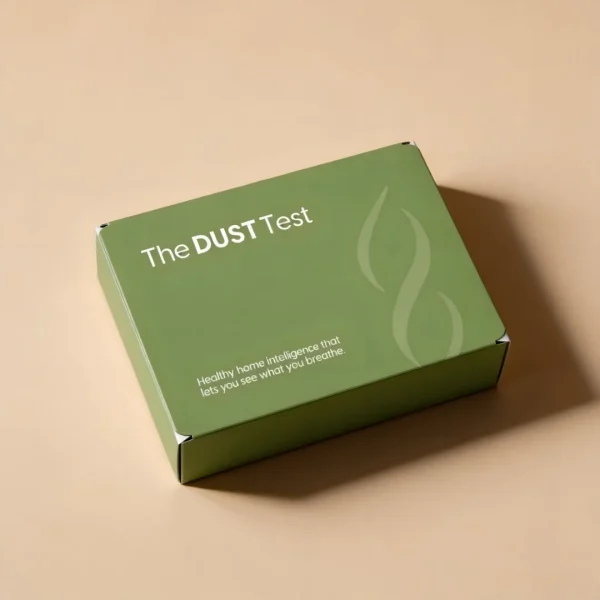
Dust-based testing, for example, can:
show what’s been circulating over time
reveal patterns not visible in air samples
help inspectors know where to look
👉 It doesn’t replace an inspection. It makes it more effective.
Don’t Forget, You’re Allowed to Ask Questions
You’re not being difficult. You’re being informed.
This is your home.Your environment.Your health.
And the right inspector won’t rush you, dismiss you, or oversimplify things.
They’ll help you understand what’s actually happening so you can move forward with clarity.
Quick Checklist (Save This)
Before hiring an inspector, make sure they:
- Use multiple testing methods
- Investigate moisture and building conditions
- Look for hidden contamination
- Take enough samples to understand the home
- Provide a detailed report
- Can explain their process clearly
- Have experience with complex or health-related cases

Not Sure Who to Trust? We Can Help.
If you’re reading this and thinking, “Okay… but how do I actually know who’s good?” you’re not alone.
Choosing the right inspector can feel overwhelming. And the reality is, the quality of that decision shapes everything that comes next.
But here’s the part we want you to hear:
You don’t have to figure that out by yourself.
Our team offers free, no-pressure consultations where we’ll help you:
- Understand what to look for in an inspector
- Review options you’re considering
- Ask the right follow-up questions
- And make sure you feel confident before moving forward
No commitments. No sales pressure. Why?
Because the goal isn’t just to get an inspection. It’s to make sure you’re investing in answers that actually lead somewhere so that your wellness is protected.
If you want a second set of eyes before taking that next step, we’re here for you.
Ready to Chat?
A member of our team is here to help! Click on “Get Started ➤” below to book a consultation with a member of the HOMECLEANSE team. We have a few quick questions that will help us put together a roadmap to solve or prevent all of your mold problems.
Two minutes of your time could lead to better health for you and your family.
Must-Have Indoor Air Quality Tools
-

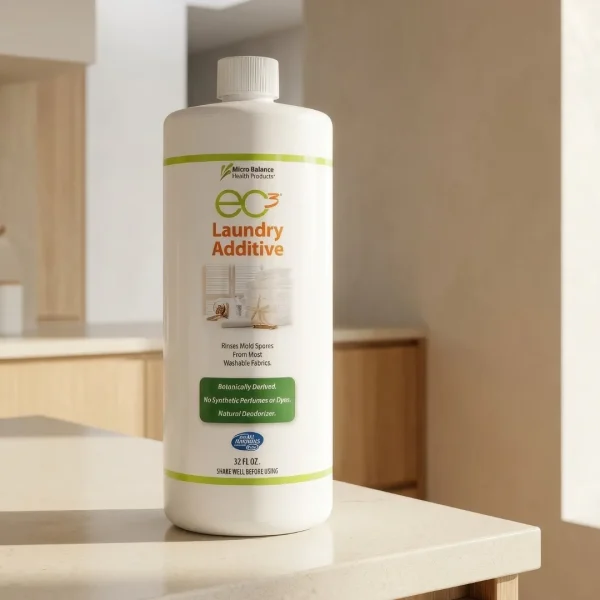
EC3 Laundry Additive
Add EC3 to every rinse cycle to rinse away mold, bacteria and musty odors from...
-
$23.00 Shop Now -
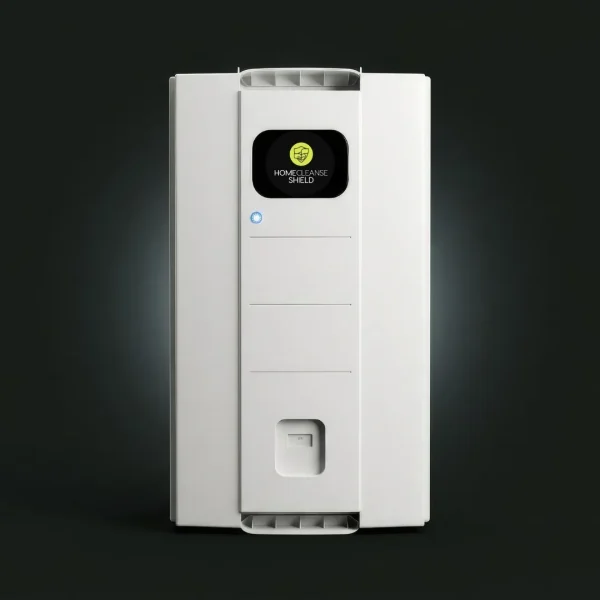
HomeCleanse Shield
Turn your HVAC into the healthiest feature of your home.
-
$2,495.00 Shop Now -
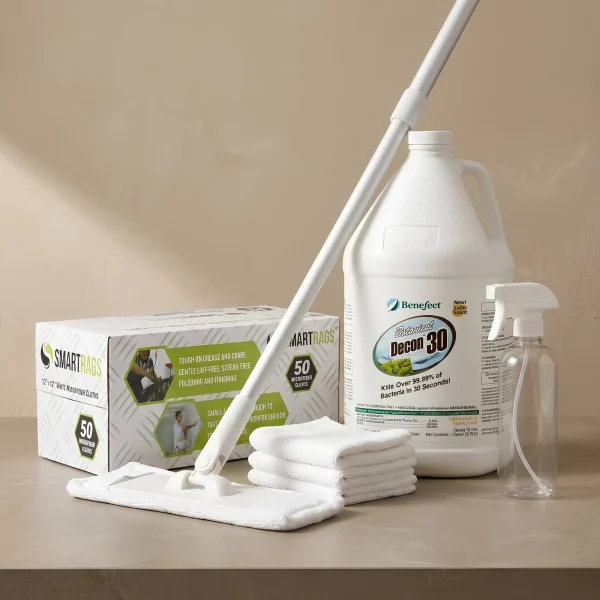
HomeCleanse Cleaning
Take your cleaning to the next level buying all the tools we use to keep...
-
Price range: $299.00 through $549.00 Shop Now -
Mold & Bacteria Contents Cleaning
Remove harmful pollutants that accumulate in the dust of your home. (Options available for renters...
-
Price range: $99.00 through $349.00 Shop Now -
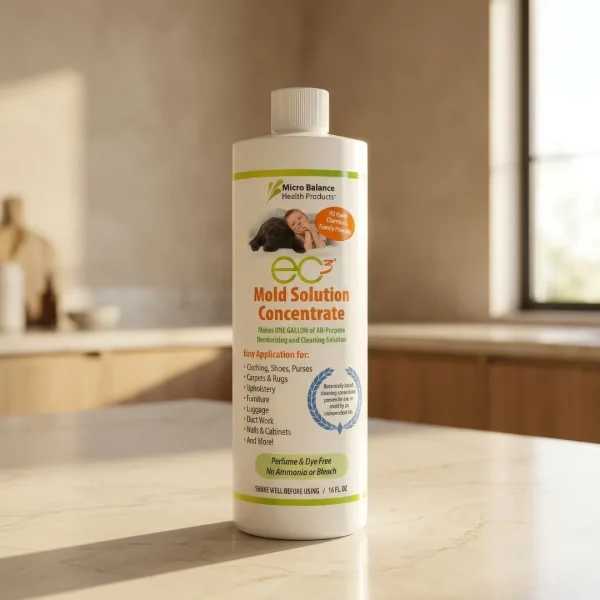
EC3 Mold Solution Concentrate
Micro Balance EC3 Mold Solution Concentrate is a natural botanical that removes mold spores, bacteria,...
-
$33.00 Shop Now -
The Dust Test
Optimizing Air Quality starts with finding what’s not optimal. *Detects 36 different species of mold...
-
$299.00 Shop Now -
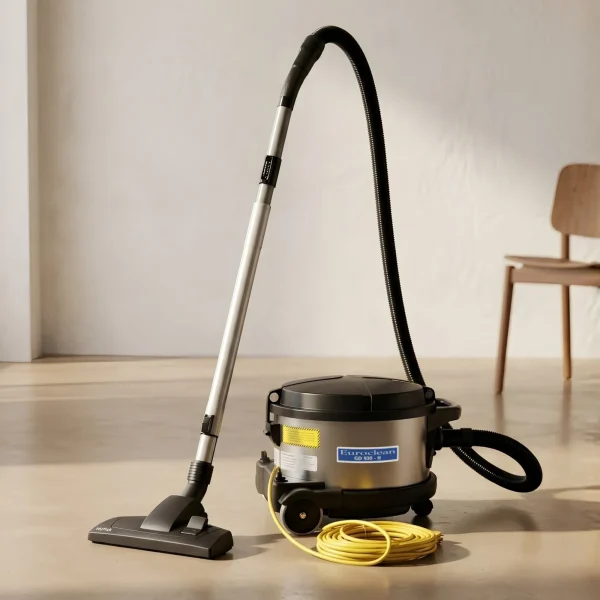
EuroClean 4 Gallon Hepa Vacuum
The Euroclean GD930HSP is a 4 Gallon Dry HEPA Vacuum that meets the EPA's standards...
-
$849.00 Shop Now