Obtaining a legitimately good mold inspection can be tricky. Kind of like finding a diamond in the rough.
The current mold treatment industry is a bit topsy-turvy at the moment. Between misinformation, gimmicks, and a general misunderstanding, getting the proper treatment that actually takes care of the entire mold problem can be unnecessarily difficult. Not to mention the stress involved in understanding the mechanics of the issue yourself.
The current state of events, unfortunately, means that we often have to be advocates for our own health, the health of our families, and the health of our homes.
So, whether you want to check the air quality of your home or understand the severity of a mold problem, a home mold inspection is needed to provide a clear picture. Without that snapshot, you won’t be able to fully understand the scope of any existing issues.
WHY YOU NEED A GOOD MOLD INSPECTOR
Molds have an excellent ability to end up anywhere and everywhere. Every home has some form of mold presence- spores can drift right in through an open door. When the indoor air quality is more polluted than the outdoor air, it indicates a problem that needs to be fixed.¹

When mold colonizes in a home, it begins to release microscopic spores that float through the air and can land and stick to any surface.² Many mold species can also produce mycotoxins, microscopic toxins that can also float through the air and land on surfaces. These tiny toxins also cause a range of negative health effects. ³’⁴
Between mold spores and their byproducts, what probably started as a rather small mold problem can quickly turn into a large issue that tanks the quality of your indoor air. From there, all it takes is for one of those many mold spores to come in contact with another moist environment in your home (like a damp corner of the carpet) to start another colony.
Eventually, the abundance of pollutants in the air will begin triggering negative health reactions as the body reaches its “toxic load.”
For anyone particularly sensitive, like those with asthma or who are immunocompromised, the effects can progress even faster and have a larger impact.⁵
SYMPTOMS CAN RANGE FROM MILDLY IRRITATING, LIKE:
- Brain fog
- Coughing
- Fungal Infections (like Athlete’s Foot)
- Fatigue
- Congestion
- Runny Nose
TO MORE SEVERE LIKE:
- Respiratory Issues
- Digestive Issues
- Neurological Problems
- Immunosuppression
- Chronic Fatigue
- Joint Pain
Mold toxicity can even work in tandem with other illnesses like Mast Cell Activation Syndrome and Candida. ⁶’⁷ Knowing how bad the problem is, with the help of a good mold inspection in a home can not only help with remediation but also in creating a solid detoxifying protocol to treat the mold exposure symptoms.
WHAT TO LOOK FOR IN A GOOD MOLD INSPECTion
When looking for someone to test the air quality in your home, the first thing to look for is a qualified professional. Home inspectors who also test for mold aren’t usually familiar with what to look for, the best measuring techniques, or how to interpret the results. Mold inspectors are usually better versed in understanding the scope of the problem and how to assess it accurately. If they’re a good mold inspector, that is.
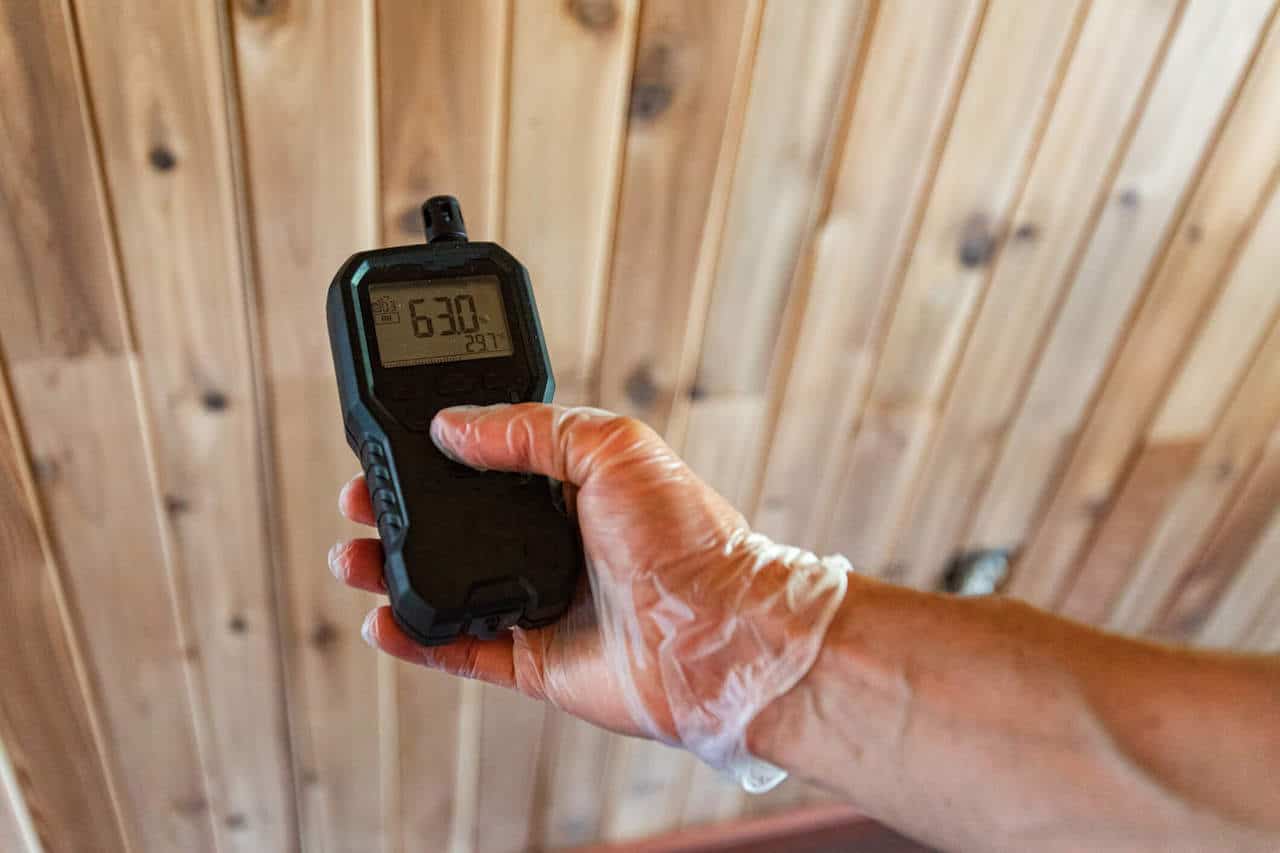
A proper mold inspection should then take a few hours and use a variety of methodologies.
Some testing data you should expect to see are:
- Types of molds present
- Quantities of each mold
- Potential spore presence in the HVAC system
- Presence of mycotoxins (a harmful toxin produced by molds)
Don’t be afraid to ask questions about their experience as well. What’s their work experience, what training have they had, what’s their process, what tests will they run, and do they have any limitations?
You want someone qualified to test your home, so understanding their priorities and experience will help you pick the right person.
Pricing might also seem like a huge determining factor, but going with the “cheaper option” will more than likely leave gaps in your testing results. Why were they cheaper in the first place? Asking questions and knowing what to expect from a home mold inspection will help you narrow down your list of who to work with.
WHY REMEDIATION NEEDS A MOLD INSPECTION
First of all, your remediation company should never also be your mold inspector. There’s too much gray area that could lead to a conflict of interest, failed remediation, and extra costs. Having a separate mold inspector ensures that the different parties have no ill-advised influence on the treatment protocol for your home.
A good mold inspection should provide comprehensive data about your home that gives a remediation company the roadmap needed for a treatment protocol.

Do you have mycotoxins? Is there mold in another area of your home? How many sources are there? Those are answers you and your remediation team need to know to actually solve the mold problem. Without that data, the treatment protocol may miss contaminants or sources, which means any adverse health symptoms will continue to persist.
The testing will also make sure that you can find the remediation team that works best for your particular situation. Not all remediation companies are created equal, and not all mold circumstances are the same. Some companies, for example, don’t have enough background education to properly remediate homes for mycotoxins. So, if you have these microscopic toxins in your home, you’ll need to find a company that can include this in its treatment protocol.
UNDERSTANDING YOUR INDOOR AIR QUALITY
Dealing with mold in a home can be daunting. There are a lot of factors and moving parts to juggle, as well as a load of information to learn and comprehend. A good mold inspector should be someone in your corner who prioritizes your health and the health of your family. They should understand that without a proper mold inspection with comprehensive data, the chances of the mold problem in your home being fixed decrease fairly dramatically.
Finding a professional who can create the foundation for a treatment protocol is key to starting your journey to wellness. No one wants a wonky roadmap with missing portions and huge gaps of information. That map would never lead you to better air quality.
Contact HomeCleanse if you’d like a list of mold inspectors we recommend to our clients.
Still Have Questions?
A member of our team is here to help! Click on “Get Started ➤” below to book a consultation with a member of the HOMECLEANSE team. We have a few quick questions that will help us put together a roadmap to solve or prevent all of your mold problems.
Two minutes of your time could lead to better health for you and your family.
1. Centers for Disease Control and Prevention. (2020, August 11). Basic facts about mold and dampness. Centers for Disease Control and Prevention. https://www.cdc.gov/mold-health/about/index.html
2. Environmental Protection Agency. (n.d.). Mold . EPA. https://www.epa.gov/mold.
3. Richard, J. L. (2007). Some major mycotoxins and their mycotoxicoses—an overview. International Journal of Food Microbiology, 119(1-2), 3–10. https://doi.org/10.1016/j.ijfoodmicro.2007.07.019
4. WHO. (2018, May 9). Mycotoxins. World Health Organization. https://www.who.int/news-room/fact-sheets/detail/mycotoxins.
5. Environmental and Occupational Health Assessment Program , & Environmental and Occupational Health Assessment Program , & Health Science Section, Mold Basics for Primary Care Clinicians (2009). Hartford, CT; Connecticut Department of Public Health. , H. S. S., Mold Basics for Primary Care Clinicians 1–10 (2009). Hartford, CT; Connecticut Department of Public Health.
6. LAURITANO, D., & CONTI, P. (2018). Impact of mold on mast cell-cytokine immune response. JOURNAL OF BIOLOGICAL REGULATORS & HOMEOSTATIC AGENTS, 32(4), 763-768.
7. Truss, C. O. (1984). Metabolic abnormalities in patients with chronic candidiasis. Journal of orthomolecular psychiatry, 13(2), 1-28.
Must-Have Indoor Air Quality Tools
-

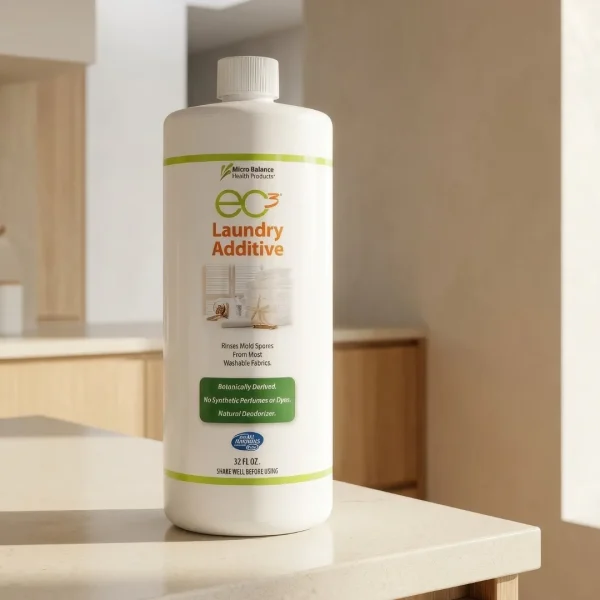
EC3 Laundry Additive
Add EC3 to every rinse cycle to rinse away mold, bacteria and musty odors from...
-
$23.00 Shop Now -
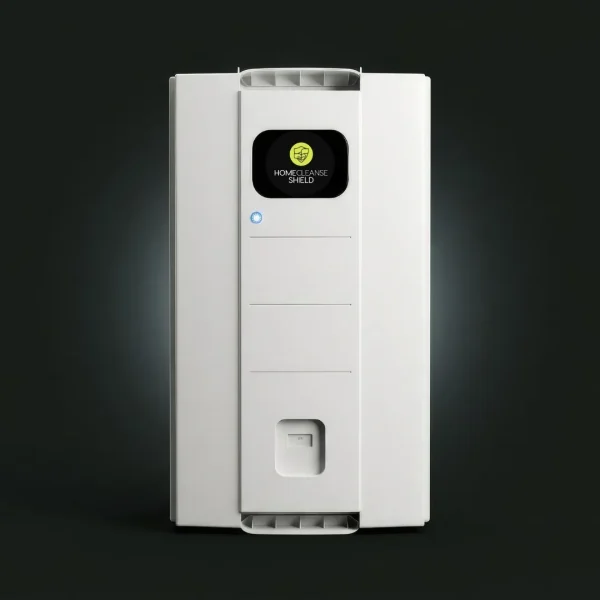
HomeCleanse Shield
Turn your HVAC into the healthiest feature of your home.
-
$2,495.00 Shop Now -
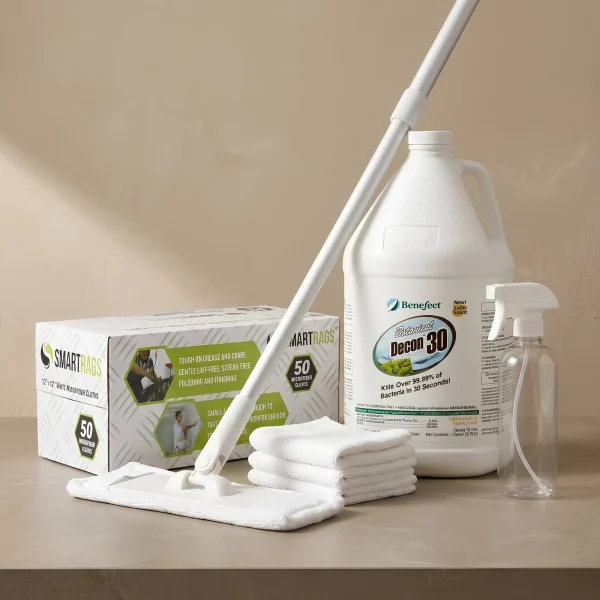
HomeCleanse Cleaning
Take your cleaning to the next level buying all the tools we use to keep...
-
Price range: $299.00 through $549.00 Shop Now -
Mold & Bacteria Contents Cleaning
Remove harmful pollutants that accumulate in the dust of your home. (Options available for renters...
-
Price range: $99.00 through $349.00 Shop Now -
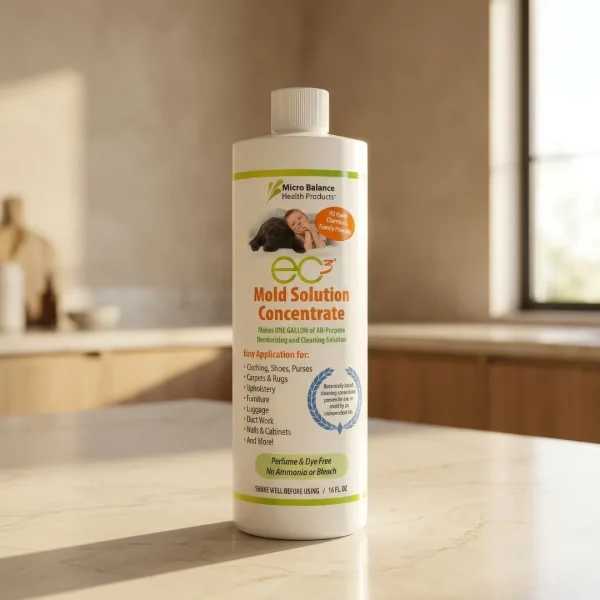
EC3 Mold Solution Concentrate
Micro Balance EC3 Mold Solution Concentrate is a natural botanical that removes mold spores, bacteria,...
-
$33.00 Shop Now -
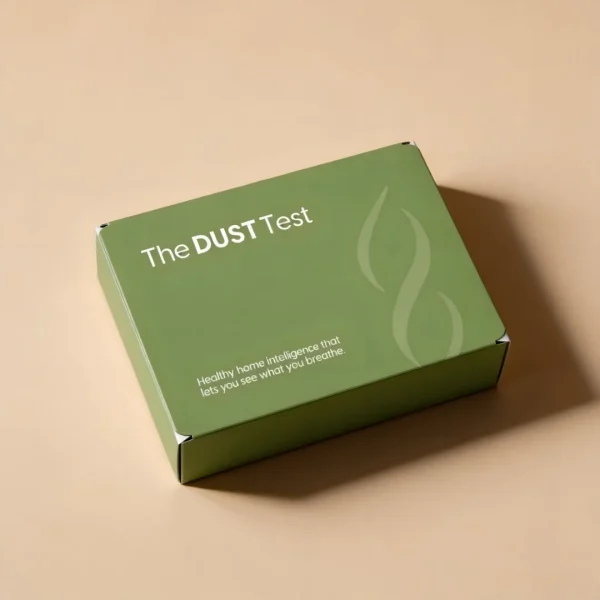
The Dust Test
Optimizing Air Quality starts with finding what’s not optimal. *Detects 36 different species of mold...
-
$299.00 Shop Now -
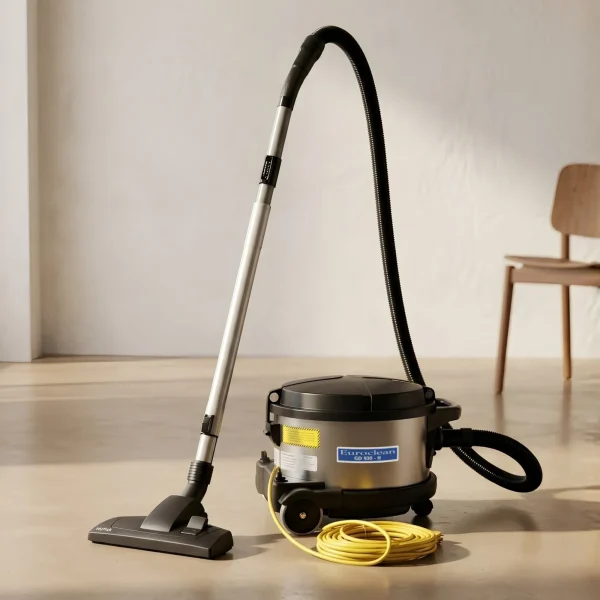
EuroClean 4 Gallon Hepa Vacuum
The Euroclean GD930HSP is a 4 Gallon Dry HEPA Vacuum that meets the EPA's standards...
-
$849.00 Shop Now