
Mold Resources
Mold has a sneaky way of hiding in the places we least anticipate—behind walls, under floors, and in ceilings. You might not see visible mold growth, but you may still be dealing with a serious problem behind the surface. If you suspect there’s an issue, figuring out situations such as how to test for mold inside walls can feel overwhelming. But don’t worry—you’re not alone, and there’s a clear path forward.
Here’s what you need to know about how to test for mold inside walls, what the process involves, and why proper identification and removal matter so much for your health and your home.
Signs You Might Have Mold Behind Walls
Before jumping into testing, it helps to know what red flags to look for.
Common signs that there may be mold inside your walls include:
- Musty or earthy odors, especially in one area
- Water damage or staining on walls
- Peeling paint or bubbling wallpaper
- Ongoing chronic symptoms like fatigue, respiratory issues, or brain fog
- Warped or soft drywall
- Past flooding or leaks that weren’t properly remediated
If any of these occur in your home, it’s important to take action quickly. Even if the wall looks fine on the outside, mold can thrive underneath the surface. That’s why testing is so important—it helps uncover what the eyes can’t see.
How to Test for Mold Inside Walls
Let’s break down how to test for mold inside walls in a way that’s both effective and minimally invasive.
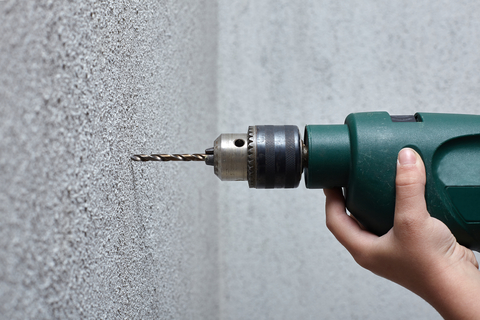
1. Drilling a Small Hole
The most accurate way to test for mold behind a wall starts with drilling a small hole—the diameter of a pen is usually enough. This gives access to the space without damaging a large section of your wall.
2. Inserting a Tube for Air Sampling
Next, a tube is inserted through the hole to pull an air sample from the wall cavity. This sample is then analyzed for mold spores. If there are high levels in the lab results, it points to an issue within the wall.
3. Performed by a Professional
This process is typically done by a mold inspection professional. They’ll often test multiple areas of the home to track down potential sources and pinpoint where mold is actively growing. Professional-grade equipment and proper lab testing ensure the results are accurate.
What Happens if the Test Is Positive?
If the air sample confirms mold is present inside the wall, the next step is opening up the wall to visually assess the extent of the growth. This step is important because:
- Mold growth may be more widespread than the air sample indicated.
- All contamination must be removed to stop ongoing exposure.
- The area must be thoroughly cleaned and treated using proper remediation protocols.
Leaving any mold behind can result in regrowth and continued health risks. That’s why surface-level fixes aren’t enough—true remediation requires going straight to the source and removing the problem at its root.
What to Expect from Mold Remediation
Once mold has been identified inside the walls, it’s time to bring in a professional remediation company to handle the next phase. But just like with inspections, not all remediation teams take the same approach.
The right team should prioritize your health and aim to create a truly clean, safe environment—not just patch up the visible issue. That means their process needs to address the full scope of the problem by:
- Eliminating the entirety of the mold
- Fixing the root cause, like leaks, humidity issues, or poor ventilation
- Removing all contaminants, including spores, mycotoxins, and bacteria
If even one of these steps is missed, the remediation will fall short—and unfortunately, so can your recovery.
Why is this so critical? Because if the moisture issue isn’t resolved, mold will grow back. If contaminated materials like drywall aren’t removed, exposure continues. And if microscopic particles are left behind, they can still impact your health, even if the visible growth is gone.
A thorough, science-backed remediation ensures that your home doesn’t just look clean—it actually is. You can schedule a free consultation with the HomeCleanse Care team for an in-depth look at how we tackle. these projects and prioritize your health during the entire process.
DIY Remediation: What You Should Know
If you're thinking about tackling a small mold issue on your own, proceed with caution. Remediation is only recommended for areas under 10 square feet—and even then, there are a lot of boxes to check.
You'll need:
- Proper safety gear and containment to prevent spread
- Identification and correction of the moisture source
- Full removal of all porous materials (like drywall)
- Correct cleaning agents and techniques for decontamination
- Deep cleaning of the surrounding space to remove released particles
If you're not confident in handling every step correctly, it's worth reaching out to a professional to avoid any missteps. A DIY kit might help in mild situations, but for anything more than a small surface-level issue, it’s better to leave it to the experts.
How to Test for Mold Inside Walls Final Thoughts
If you think there might be mold behind your walls, don’t wait. The longer it’s left unaddressed, the more damage it can do—not just to your home, but to your health. Knowing how to test for mold inside walls is the first step toward finding the source and creating a cleaner, safer environment.
And if the test comes back positive, make sure remediation is done right the first time. A thorough approach will not only remove the visible mold, but also the hidden threats that could keep you feeling sick.
Need help with testing or remediation? Our Care Team is here to walk you through your options and help you get your home—and your health—back on track.
Tools to Safeguard Your Home From Mold
-

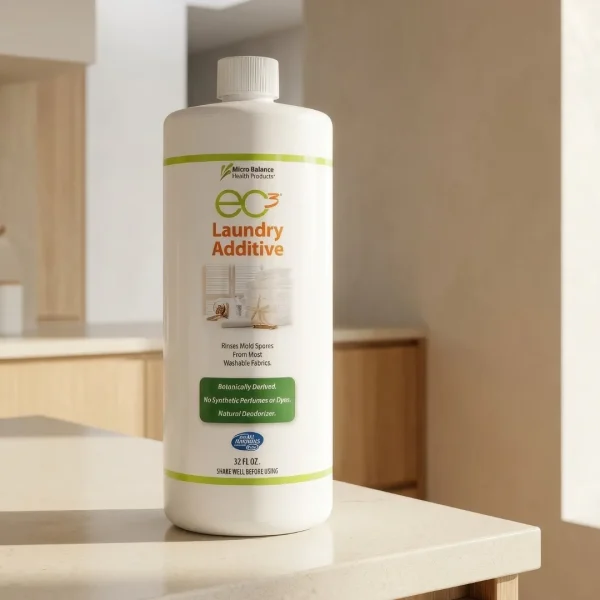
EC3 Laundry Additive
Add EC3 to every rinse cycle to rinse away mold, bacteria and musty odors from...
-
$23.00 Shop Now -
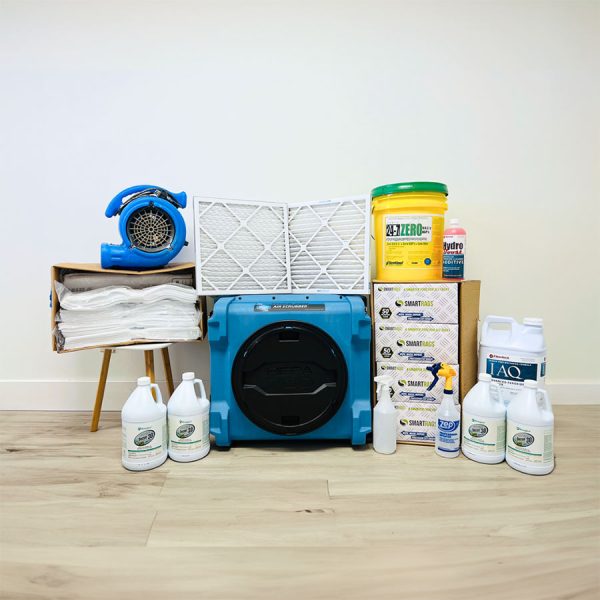
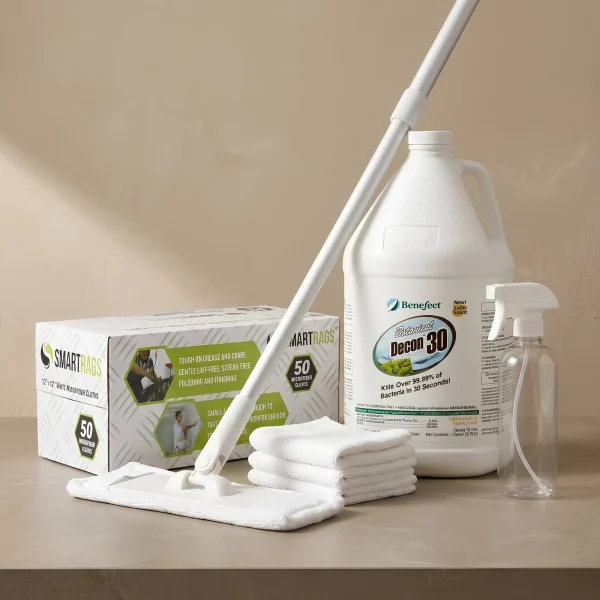
HomeCleanse Cleaning
Take your cleaning to the next level buying all the tools we use to keep...
-
Price range: $299.00 through $549.00 Shop Now -
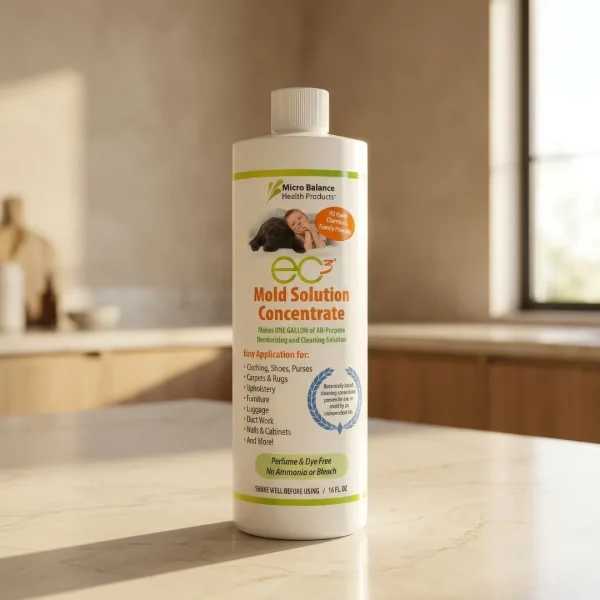
EC3 Mold Solution Concentrate
Micro Balance EC3 Mold Solution Concentrate is a natural botanical that removes mold spores, bacteria,...
-
$33.00 Shop Now -
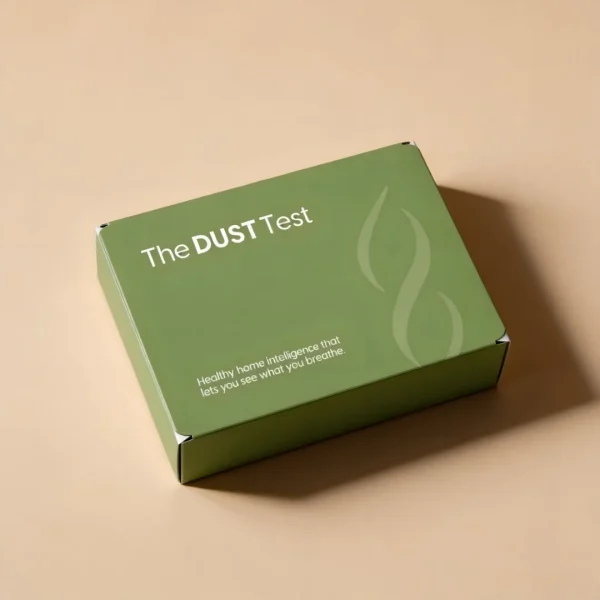
The Dust Test
Optimizing Air Quality starts with finding what’s not optimal. *Detects 36 different species of mold...
-
$299.00 Shop Now -
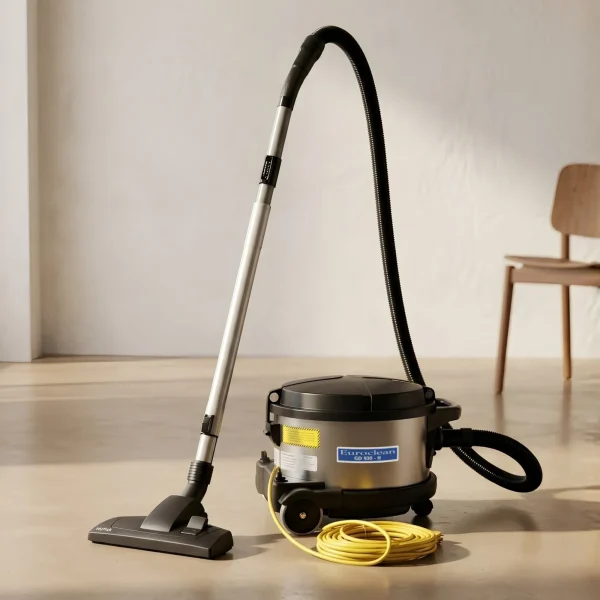
EuroClean 4 Gallon Hepa Vacuum
The Euroclean GD930HSP is a 4 Gallon Dry HEPA Vacuum that meets the EPA's standards...
-
$849.00 Shop Now
Still Have Questions?
A member of our team is here to help! Click on “Get Started ➤” below to book a consultation with a member of the HOMECLEANSE team. We have a few quick questions that will help us put together a roadmap to solve or prevent all of your mold problems.
Two minutes of your time could lead to better health for you and your family.