
The holidays have a way of filling our homes with warmth. Twinkling string lights lighting up in the evening, the smell of fresh pine (or your favorite cinnamon candle), and the joy of gathering with friends and family. But behind the sparkle and seasonal magic, there’s one uninvited guest that can hitch a ride straight into your living room and ruin your holiday: Christmas tree mold.
While we often think of mold as a problem in damp basements or leaky bathrooms, your holiday decorations, especially your Christmas tree, can be a surprisingly common source of contamination. Whether you prefer the real thing or a tried-and-true artificial tree, mold can find a way to make itself part of your holiday décor. And unlike glitter, this is not something you want sticking around.
Let’s unpack how Christmas tree mold can enter your home, the health effects it can trigger, and, most importantly, what you can do to keep your holiday spirit (and your air) clean and healthy.
What Is Christmas Tree Mold?
Christmas tree mold refers to mold spores that cling to or grow on holiday trees, both real and artificial. When you bring a tree indoors from the store or storage, those spores can be released into the air, raising indoor mold levels and impacting your health.
This type of contamination is more common than most people realize, especially because Christmas trees are perfect vehicles for spores: plenty of surface area, tiny crevices, and often a boost in moisture from watering or storage conditions.
How Christmas Tree Mold Spreads Indoors
Before we break it down by tree type, here’s a quick mold refresher:
- Mold is a fungus that thrives both outdoors and indoors.
- It reproduces by releasing microscopic spores that float in the air.
- When spores find a damp, nutrient-rich environment, they grow and release more spores.
- Some molds also produce mycotoxins, microscopic toxins that can make health effects worse.
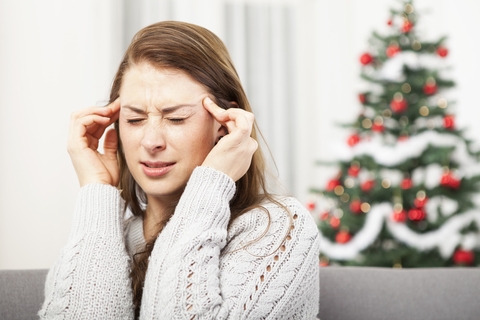
In nature, spores are everywhere. But indoors, a high concentration—like what can occur when you bring in a contaminated Christmas tree—lowers the indoor air quality drastically and can overwhelm the body’s defenses, leading to symptoms that range from mild congestion to serious respiratory or neurological effects.
Those with developing or compromised immune systems are especially vulnerable.
The "Christmas Tree Syndrome" Link
Researchers have found that bringing live Christmas trees inside can dramatically increase indoor mold spore counts, sometimes up to five times higher than normal. This spike is now called Christmas Tree Syndrome and is believed to be behind the seasonal uptick in symptoms for many families.
A moldy Christmas tree doesn’t just affect your health while it’s up. Spores can land on ornaments, garlands, and furniture, spreading contamination throughout your home and into storage boxes where they can linger until next year. It also increases the risk of mold developing elsewhere in the home.
Real Trees Vs. Artificial: Understanding Christmas Tree Mold
Now, let’s get into the nitty-gritty of how each type of tree can lead to contamination in your home. Knowledge is power, so the more you know, the more you can do to prevent a holiday health fiasco.
Real Trees: A Prime Source for Christmas Tree Mold

Real trees bring beauty, fragrance, and a touch of nature into your home—but they also bring spores.
Why real trees are prone to Christmas tree mold:
- Outdoor exposure: Spores cling to needles and bark.
- Indoor environment: Warmth, humidity, and water for the tree create mold-friendly conditions.
- Storage & shipping: Trees stored before sale may already have mold growth.
- Moisture content: Even after cutting, the wood holds enough moisture to support mold growth.
Once inside, these spores can spread to ornaments and decorations. If those items aren’t cleaned before storage, you can reintroduce mold year after year.
Artificial Trees and Christmas Tree Mold
Artificial trees might seem like the safer choice (and often are!), but they’re not immune to Christmas tree mold.
Most are stored for 11 months of the year in attics, basements, or garages—places that often have higher humidity, dust, or even leaks. These conditions allow mold to grow right on the tree or in the surrounding décor.
When you bring the tree indoors, spores are released into your living space. And because modern homes are airtight for energy efficiency, those spores can linger much longer than they would in a naturally ventilated space.
How to Prevent Christmas Tree Mold
The good news? You can reduce the risk of Christmas tree mold with a few proactive steps.
For Real Trees:
- Blow off debris with a leaf blower before bringing it inside.
- Wash the tree with a vinegar solution or botanical cleaner like Benefect.
- Let it dry completely before setting it up.
- Use an air purifier nearby (make sure it can filter mold spores).
- Limit display time—keep it up for a week or two.
- Cut it yourself to avoid pre-storage mold growth.
- Maintain indoor humidity between 35–50%.
For Artificial Trees:
- Store in airtight containers (avoid cardboard boxes).
- Keep storage climate-controlled, not in damp basements or attics.
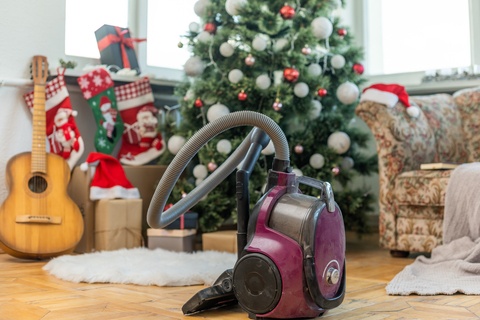
- Clean before and after storage with a HEPA vacuum or blower.
- Use silica gel packets in storage containers to absorb moisture.
Don’t Forget Ornaments & Décor:
- Opt for non-porous materials that are easier to clean.
- Wipe down with botanical cleaner before storage.
- Store in airtight containers in a dry location.
What to Do if You Find Christmas Tree Mold
Sometimes Christmas tree mold happens despite our best efforts. Mold is persistent! In that case, it’s important to have a plan of action to handle it quickly and correctly.
If you discover visible mold on your tree or decorations:
- Remove the tree immediately. Trying to save it can spread spores further.
- Toss contaminated ornaments (or deep clean non-porous items three times with botanical cleaner and microfiber towels).
- Deep clean the area: vacuum with a HEPA filter, wipe surfaces, and run an air purifier.
- Repeat cleaning to ensure spores and mycotoxins are gone.
Keeping the Holidays Merry and Mold-Free

Christmas tree mold is more than just a seasonal nuisance. It’s a real indoor air quality concern. By taking steps to clean, store, and maintain your holiday décor properly, you can protect your health while still enjoying the traditions you love.
This year, make sure your tree spreads only joy—not mold spores and airborne contaminants.
Must-Have Indoor Air Quality Tools
-

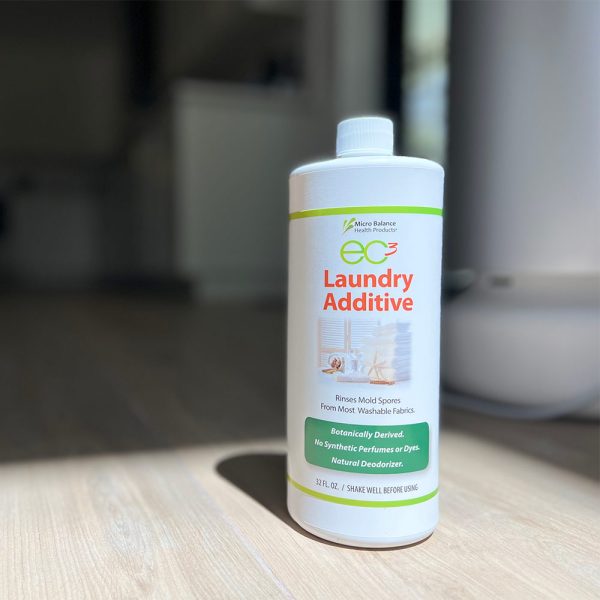
EC3 Laundry Additive
Add EC3 to every rinse cycle to rinse away mold, bacteria and musty odors from...
-
$23.00 Shop Now -

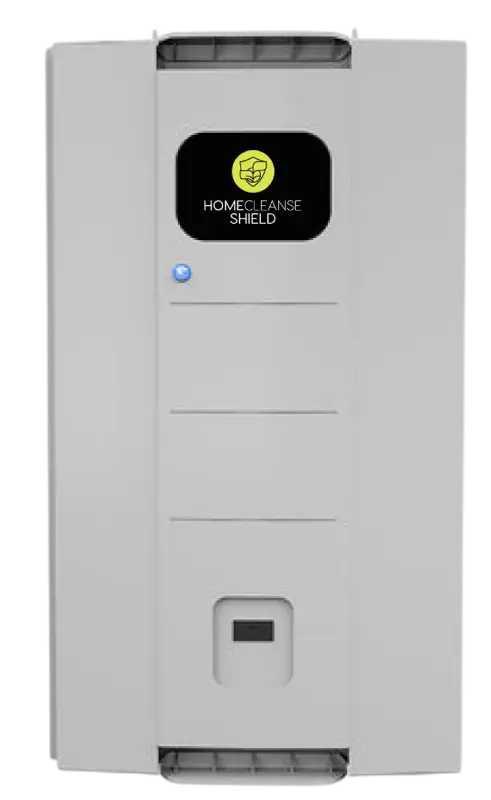
HomeCleanse Shield
Turn your HVAC into the healthiest feature of your home.
-
$2,495.00 Shop Now -
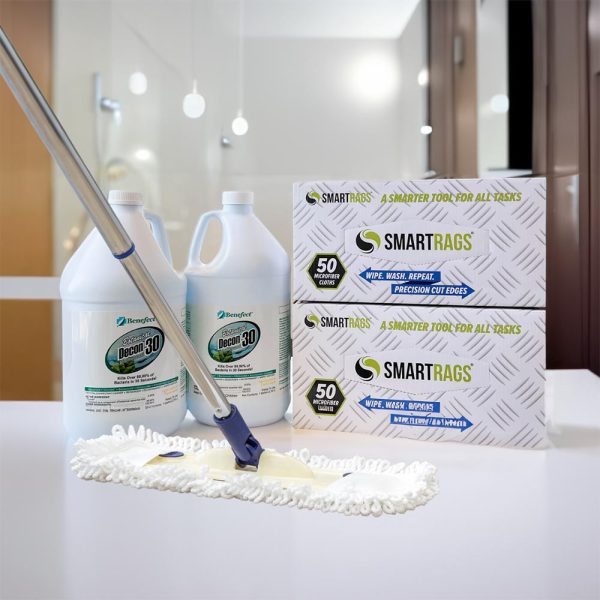
HomeCleanse Cleaning
Take your cleaning to the next level buying all the tools we use to keep...
-
Price range: $299.00 through $549.00 Shop Now -
Mold & Bacteria Contents Cleaning
Remove harmful pollutants that accumulate in the dust of your home. (Options available for renters...
-
Price range: $99.00 through $349.00 Shop Now -

EC3 Mold Solution Concentrate
Micro Balance EC3 Mold Solution Concentrate is a natural botanical that removes mold spores, bacteria,...
-
$33.00 Shop Now -

The Dust Test
Optimizing Air Quality starts with finding what’s not optimal. *Detects 36 different species of mold...
-
$299.00 Shop Now -
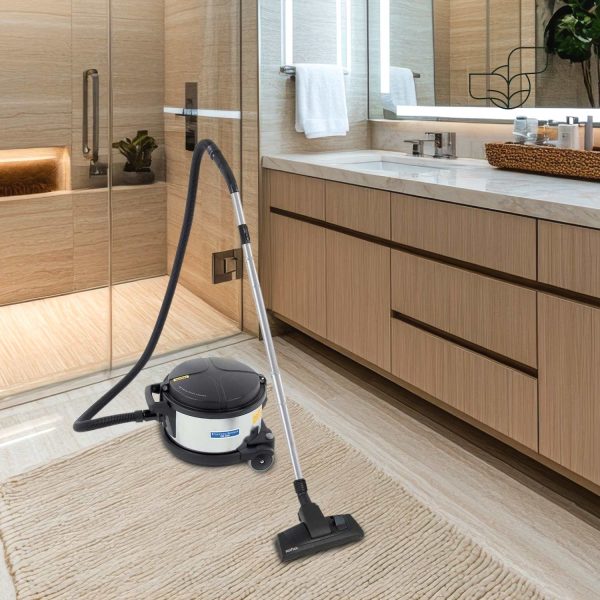
EuroClean 4 Gallon Hepa Vacuum
The Euroclean GD930HSP is a 4 Gallon Dry HEPA Vacuum that meets the EPA's standards...
-
$849.00 Shop Now