
Mold Resources
Chances are, there’s concrete somewhere in your home. This durable material is used in everything from foundations and basement floors to patios and garage slabs. In fact, over two-thirds of new homes are built on concrete slabs. But while concrete is strong, it’s not immune to problems, especially mold on concrete. Mold can damage the material over time and negatively impact your indoor air quality, creating a serious health risk for your household.
In this guide, you’ll learn exactly why mold grows on concrete, what it looks like, the dangers it poses, and how to remove and prevent it so you can protect your home and health.
Can Mold Grow on Concrete?
Yes, mold can grow on concrete despite it being a hard, stone-like surface. The key lies in concrete’s porosity. Under a microscope, concrete resembles the surface of the moon—full of tiny pits and pores.
While concrete itself isn’t a food source for mold, those pits can collect dust, pollen, dirt, and other organic materials that mold can feed on. If moisture is also present, mold spores can land, root, and thrive.
Once established, mold will:
- Increase porosity and make future growth more likely
- Grow roots that further damage the surface
- Trap more organic debris
Is Mold on Concrete Dangerous?

It’s not a healthy situation. Mold on concrete isn’t just a cosmetic issue. It impacts indoor air quality. Once mold colonizes, it releases:
- Spores
- Fragments
- Mycotoxins (for some species)
These microscopic particles can be inhaled, absorbed through the skin, or ingested. Some are small enough to bypass the lungs and enter the bloodstream, triggering inflammation and other health issues.
Potential symptoms of mold exposure include:
- Digestive issues
- Fatigue and brain fog
- Neurological problems or mood swings
- Runny nose, watery eyes, rashes
- Chronic cough or respiratory problems
Those most at risk include children, the elderly, and individuals with compromised immune systems. Even non-toxic mold species can trigger symptoms, so all mold on concrete should be removed quickly and correctly.
What Does Mold on Concrete Look Like?
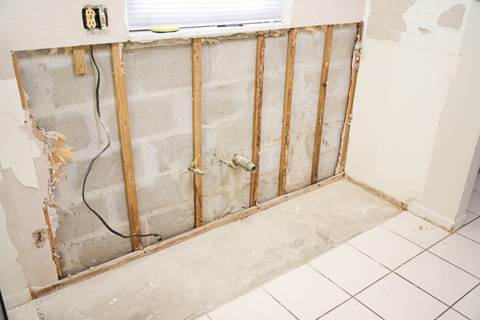
Mold on concrete can appear in many colors and textures:
Colors:
- Black or dark green
- White, grey, or pink
- Yellow, orange, or brown
Textures:
- Fuzzy or velvety: cotton-like appearance
- Slimy or wet: common in high-moisture areas
- Powdery: fine surface dusting
It often appears in irregular spots or streaks, especially in damp, shaded, or poorly ventilated areas.
Other Signs of A Contamintation Problem:
Musty Odor
Even if mold isn’t visible, a persistent damp, musty, or earthy smell can signal a problem. This odor comes from microbial volatile organic compounds (mVOCs) released during mold growth. If you smell this near concrete walls, floors, or slabs, there’s a good chance mold is present—even if it’s hidden.
Chronic or Unexplained Symptoms
Our bodies can often signal that something is wrong with our environment. If symptoms worsen when you’re in a certain part of the home, such as the basement, garage, or near a foundation wall, and improve when you leave, that’s a strong clue your concrete may have mold growth.
Also, if these chronic symptoms seem to have “no underlying cause,” always check your indoor environment for possible problems.
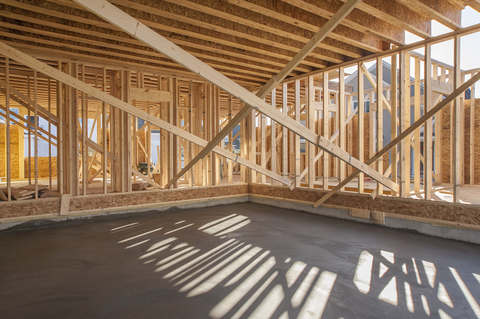
Common Places to Find Mold on Concrete
- Basement floors and walls
- Garage slabs
- Outdoor patios, walkways, or driveways
- Bathroom and shower floors
- Crawl space foundations
- Concrete foundation slabs with cracks or leaks
In tropical or humid climates, mold on concrete can occur year-round without proper maintenance.
How to Deal With Mold on Concrete
If you notice mold on concrete in your home, don’t just reach for bleach. I won’t penetrate deep enough into the porous surface to remove the roots or byproducts, and it won’t improve your indoor air quality.
The most effective approach is to hire qualified professionals who understand how to fully eliminate mold contamination and the moisture problem that caused it.
Why Professional Removal Matters
To truly resolve the issue, all contamination must be removed—not just what’s visible on the surface. That means eliminating:
- Mold roots
- Spores
- Fragments
- Mycotoxins
- Bacteria
Concrete’s porous nature often requires treatments like high-concentration hydrogen peroxide or other professional-grade solutions that can reach deep into the material. This is not a DIY-friendly process, both for safety reasons and to ensure the contamination doesn’t return.
Determining the Extent of the Problem
One of the biggest challenges with mold on concrete is figuring out how far it has spread. Is it only on the surface, or has it penetrated deep into the concrete? Has it migrated to nearby building materials?
That’s where a qualified mold inspector comes into play.
Professionals use specialized tools and testing methods to assess:
- The depth of contamination
- Whether nearby materials (like drywall, wood framing, or insulation) have been affected
- The presence of airborne mold spores and mycotoxins
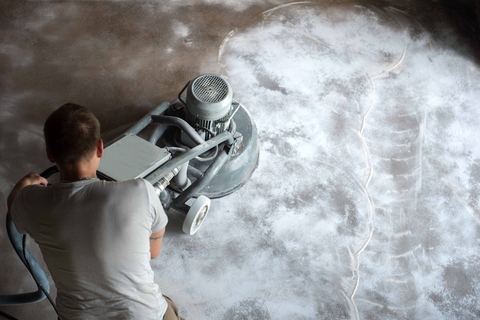
Protecting Your Home’s Structure and Air Quality
Proper remediation prevents further structural deterioration and ensures your home is safe to live in. That’s why it’s important to hire the right team that knows how to properly remediate the material and has your health at heart.
When hiring a remediation team, look for one that:
Follows strict safety protocols (containment, PPE, HEPA filtration)
- Remediates all contamination sources, not just visible mold
- Ensures moisture issues are addressed so mold cannot return
- Removes harmful byproducts like mycotoxins and bacteria from the space
How to Prevent Mold on Concrete
Prevention starts with airflow and moisture control:
- Keep humidity between 35–50% using dehumidifiers or air conditioning.
- Ensure proper ventilation in basements, crawl spaces, and garages.
- Seal concrete surfaces with mold-resistant sealants.
- Improve drainage and slope landscaping away from foundations.
- Use exhaust fans in bathrooms and laundry rooms.
- Regularly clean concrete with botanical cleaning products.
Pro Tip: If you see white, chalky deposits, it might be efflorescence, not mold. But since it indicates moisture, you should still investigate the source.
Final Thoughts

Mold on concrete is a serious problem both for your home’s structure and your family’s health. Understanding how it develops, recognizing the warning signs, and taking quick action can save you costly repairs and protect your indoor air quality.
Whether you’re preventing mold or dealing with an existing problem, addressing moisture and hiring qualified professionals is the surest way to keep your home safe.
Here at HomeCleanse, we’ve successfully dealt with mold on concrete countless times. If you’re dealing with a current problem or are looking to safeguard your space, we’d love to help! Book a complimentary consultation with the HomeCleanse Care team for guidance on creating a safe indoor environment for you and your family.