
Mold Resources
Ice should be refreshing, not a source of hidden contamination. But here’s the truth: even in cold environments, mold and bacteria can grow inside ice makers. These machines have everything microbes need to thrive—moisture, organic matter like mineral buildup or skin cells, and tiny cracks where particles can settle.
Without regular cleaning, that contaminated ice can expose you and your family to harmful particles every time you take a sip.
So how do you know when it’s time to give your ice maker a deep clean, and what’s the safest way to do it? Let’s break it down.
Signs Your Ice Maker Needs Cleaning
If your ice maker is overdue for a clean, you’ll often notice:
- Off taste in your ice
- Ice melting faster than usual
- Small particles trapped inside cubes
- Machine running slower or malfunctioning
- Musty, earthy, or damp odors (from microbial gases called MVOCs)
- Visible mold growth in cracks or crevices—colors range from black, green, and pink to white, slimy, or powdery
- Leaking water around the machine
- If you notice any of these, there’s a high chance you're dealing with mold in an ice maker, and it’s time to take action.
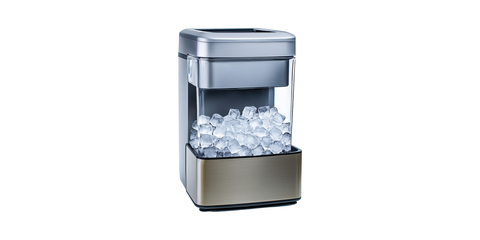
How to Clean a Portable Ice Maker
Every machine is a little different, so always check your manufacturer’s instructions first. That said, here’s a safe step-by-step method:
- Turn off and unplug the machine
- Empty the ice bucket and drain the water reservoir.
- Remove all detachable parts (like the scoop and tray).
- Spray each piece with a botanical cleaner (such as Benefect Decon 30), let sit 30 seconds, then wipe with a microfiber cloth.
- Wash with mild soap and warm water, and dry fully.
- For the reservoir, run a 1:1 vinegar and water solution through one cycle, then discard the ice and solution.
- Wipe down the interior, using a brush or pipe cleaner for hard-to-reach areas.
- Rinse with warm water, reassemble, and run a few clean cycles before using again (discard that ice).
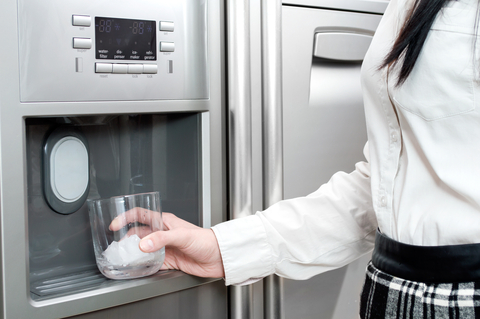
How to Clean a Fridge Ice Maker
When cleaning an ice maker in your fridge, it’s best to clean the entire appliance to avoid cross-contamination:
- Empty everything out—including the freezer.
- Turn off the machine and wait a few minutes for any ice to fall out.
- Drain the water supply and remove all detachable parts.
- Clean each part with botanical cleaner, soap, and water, then dry fully.
- Spray and wipe down every surface, especially rubber seals and gaskets.
- Use a 1:1 hydrogen peroxide or vinegar solution for the water and ice dispenser.
- Vacuum coils with a HEPA vacuum, then wipe down with botanical cleaner.
- Clean the drip pan and water line with vinegar solution, flushing with water before reconnecting.
- Run several water and ice cycles before use to remove leftover cleaning solution.
Not confident you can tackle this? Bring in a professional, but make sure they use safe, non-toxic cleaning products.
Simple Hacks to Prevent Mold in an Ice Maker
- Change water filters on schedule
- Maintain kitchen humidity between 35–50%
- Clean spills immediately
- Inspect regularly with a flashlight
- Use filtered water to reduce minerals and impurities
- Keep the lid and doors closed to block spores and dust
- Wipe down seals and gaskets weekly with a botanical cleaner
- Make sure the unit has proper ventilation to prevent condensation
- Empty unused ice regularly so it doesn’t sit and collect particles
- Inspect and flush the water line and reservoir a few times a year
- Clean the exterior often to prevent dust buildup
- Always use a clean scoop—never cups or hands—for ice
- Keep the kitchen environment clean
What Cleaning Products to Avoid
Skip bleach and harsh chemicals. These can leach into your ice, pollute indoor air, and cause health reactions. Stick with botanical cleaners instead. They’re effective, non-toxic, and safe for your home environment.
How Often Should You Clean an Ice Maker?
Fridge ice makers: 2–4 times per year (more if heavily used or water quality is poor).
Portable ice makers: Every 1–2 months.
Avoiding Mold in an Ice Maker
Mold in ice makers is more common than you’d think, and it can directly contaminate what you drink. Staying on top of routine cleaning with the right tools and products ensures your ice is fresh, clean, and safe.
At HomeCleanse, we believe even the smallest details, like what’s floating in your glass, matter for protecting your health.
Want more tips on keeping your home safe from hidden contamination? Schedule a free consultation with the HomeCleanse Care Team