When most people think about creating a safe, healthy home, their minds jump to the obvious: a good security system, clean water, maybe even organic cleaning supplies. But what about the air you breathe? It is something you take in 20,000 times a day, after all!
That’s where tools like EnviroBiomics testing come in. These laboratory tests analyze the dust in your home for mold DNA, giving you a clearer picture of what you and your family might be breathing in every single day. For many, it’s the first time the invisible is made visible, and that can be both empowering and overwhelming.
This guide will break down what EnviroBiomics is, what tests like ERMI and HERTSMI-2 actually measure, and, most importantly, how to use those results in a way that truly supports your health and your home.
What is EnviroBiomics?
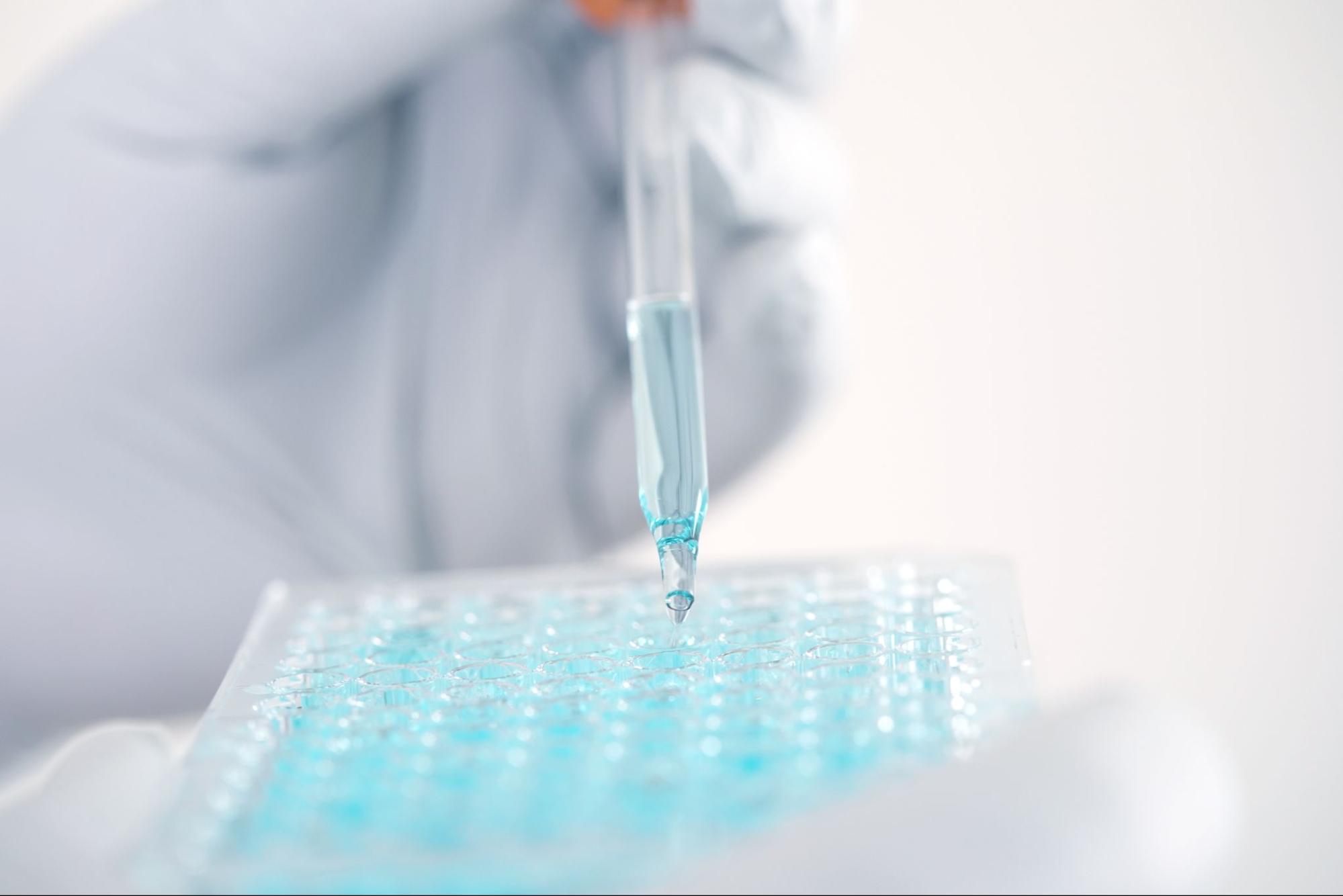
EnviroBiomics is a U.S.-based lab that specializes in analyzing settled dust using DNA-based testing. Instead of just taking a quick snapshot of the air in one moment, dust testing acts like a time capsule, collecting information about what’s been circulating in your home over weeks or months.
Why is that? Because particles like mold spores, mycotoxins, bacteria, pesticides, and more settle within and become a part of our dust. If there are incredibly high concentrations of certain particles, it indicates an issue within the home that’s causing those elevated numbers.
The lab’s reports often include two indices: ERMI and HERTSMI-2. If you’ve been Googling your way through mold questions, chances are you’ve come across both terms. But what do they really mean for you? Let’s dig in.
ERMI: A research tool with limits
The Environmental Relative Moldiness Index (ERMI) was developed by the EPA as a research tool. It measures 36 mold species in dust, some linked to water damage, others more commonly found outdoors, and calculates a score that estimates relative moldiness.
Researchers have used ERMI to compare homes in large studies and to look at links between mold and health problems like childhood asthma. But here’s the important caveat: the EPA does not endorse ERMI as a stand-alone diagnostic for individual homes.
So, if you’ve got an ERMI score that seems high, don’t panic. It doesn’t mean your house is “unlivable.” What it does mean is that you should take a closer look, especially if you already have signs of leaks, water damage, or unexplained health symptoms.
HERTSMI-2: A narrower lens
HERTSMI-2 is like the “quick read” version of ERMI. It focuses on just five molds strongly associated with water-damaged buildings and gives each one a weighted score. This index was developed in the clinical world to help guide decisions for people who are especially sensitive to mold exposure.
It can be helpful if you’re working with a practitioner familiar with environmental illness. Still, its evidence base is smaller than ERMI’s, and results should always be taken in context, not treated like an absolute verdict.
How Dust DNA Testing Actually Works
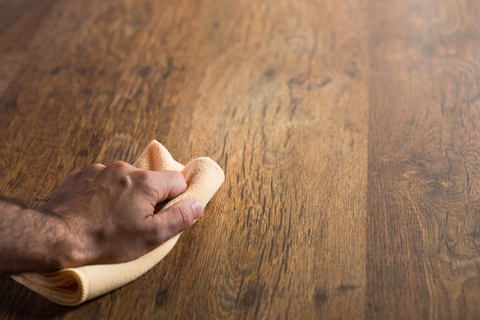
If you’re curious about the process, here’s the simple version:
- You collect dust from specific locations in your home
- The lab extracts DNA from that dust.
- Using a method called qPCR, they identify and count mold species.
- Those counts are then used to calculate ERMI and/or HERTSMI-2 scores.
Compared to short air samples, which only measure what’s floating in the room at one moment in time, dust testing can give a more comprehensive picture of what your home has been harboring.
How EnviroBiomics Connects to The Dust Test
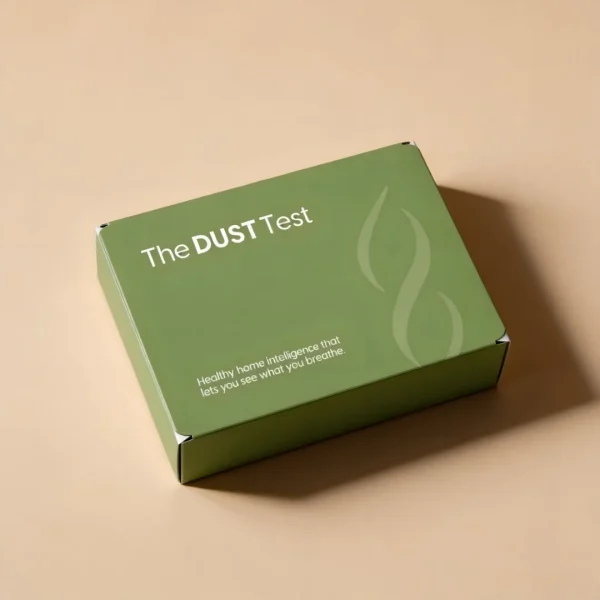
If you’ve come across The Dust Test and are curious how it fits in, here’s the connection: the analysis itself is performed by EnviroBiomics’ laboratory. When you collect dust with the kit and send it back, EnviroBiomics uses its advanced DNA-based qPCR technology to identify mold species and calculate scores. A team of experts then helps you interpret those results in the context of your home and health.
Think of it this way: The Dust Test is your easy entry point, and EnviroBiomics is the science behind the scenes.
When EnvironBiomics Testing Can Help
So, when does EnviroBiomics testing make sense? Here are some common situations:
- After a flood, leak, or water damage, to check whether water-associated molds are still present.
- After remediation, to see if the space is continuing to improve.
- As supporting information for health conversations with your doctor.
- During regular maintenance to ensure hidden issues in the home are not causing harm.
For many families, that report can be the missing piece that validates what they’ve been feeling in their own bodies.
Tip: If the results show high levels of contamination, it’s time to bring in a professional inspector to determine the extent of the issue and where the sources are located.
Common Pitfalls to Avoid
Here’s where people often go wrong:
- Treating ERMI or HERTSMI-2 as a “pass/fail” score. They’re tools, not final answers.
- Collecting dust incorrectly. A so-so sample can throw off results. Follow instructions carefully.
- Ignoring context. Numbers alone don’t fix leaks or improve health. You still need more data, investigation, and remediation if problems are found.
The takeaway? Think of EnviroBiomics as one piece of the puzzle—an important one, but not the only one.
Turning Results into Action
Once you have your results in hand, what’s next?
- Look beyond the overall score to see which molds were elevated.
- Bring your report to a qualified inspector or Indoor Environmental Professional (IEP).
- Focus on fixing sources first—like leaks, drainage, or humidity.
- Remediate all sources properly.
Want expert guidance on your results? Schedule a consultation with HomeCleanse and get a clear roadmap forward.
Why EnvironBiomics Data Matters for You
At the end of the day, testing isn’t about numbers. It’s about people and their well-being. Families moving into what they thought was their dream home. Parents trying to understand why their child keeps wheezing at night. Professionals realizing their brain fog disappears when they leave the office.
EnviroBiomics testing, when used wisely, can be the tool that helps you connect the dots. It doesn’t replace inspections or medical care, but it can shine a light on problems that otherwise stay hidden.
Final Thoughts

Your home should be your sanctuary, not a source of illness. Tools like EnviroBiomics give you the ability to see what’s really happening in your environment so you can make informed choices, protect your health, and, ultimately, breathe a little easier.
If you’re curious about what might be lingering in your own air, consider starting with The Dust Test. And remember: testing is the beginning of the journey.
Take the first step toward peace of mind. Order The Dust Test today and uncover what’s really in your home’s air.
Must-Have Indoor Air Quality Tools
-

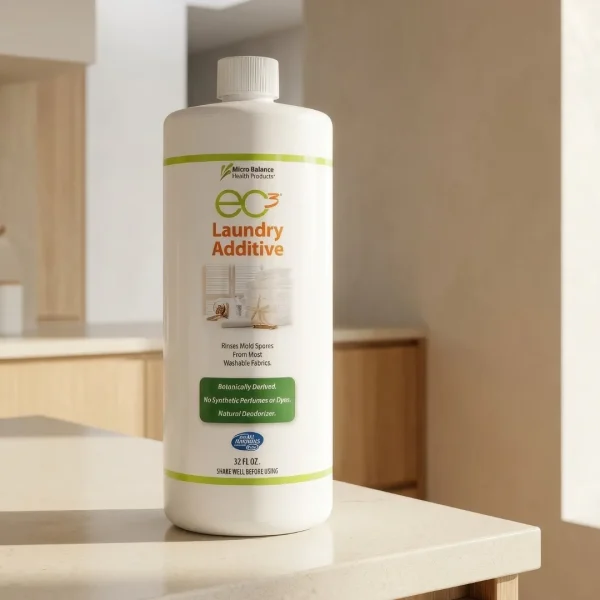
EC3 Laundry Additive
Add EC3 to every rinse cycle to rinse away mold, bacteria and musty odors from...
-
$23.00 Shop Now -
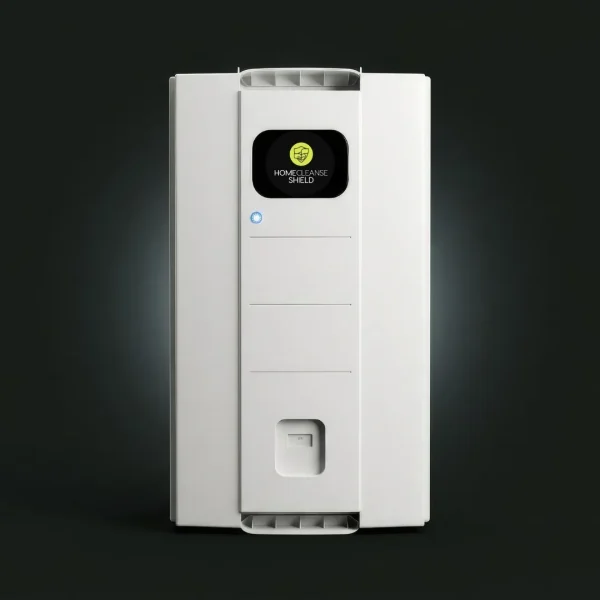
HomeCleanse Shield
Turn your HVAC into the healthiest feature of your home.
-
$2,495.00 Shop Now -
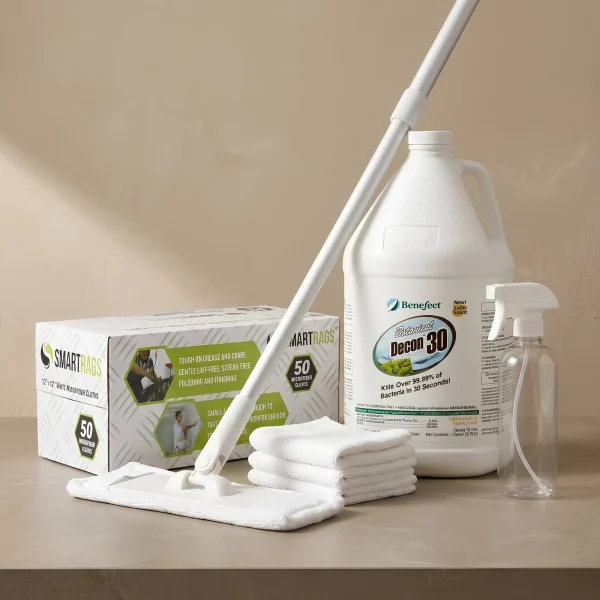
HomeCleanse Cleaning
Take your cleaning to the next level buying all the tools we use to keep...
-
Price range: $299.00 through $549.00 Shop Now -
Mold & Bacteria Contents Cleaning
Remove harmful pollutants that accumulate in the dust of your home. (Options available for renters...
-
Price range: $99.00 through $349.00 Shop Now -
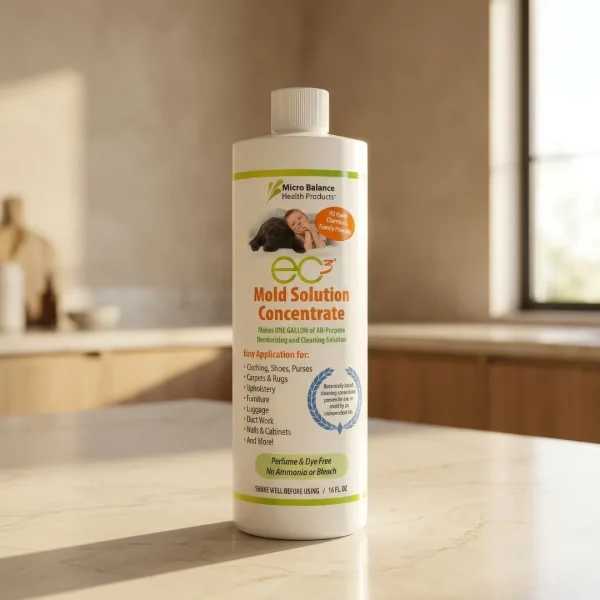
EC3 Mold Solution Concentrate
Micro Balance EC3 Mold Solution Concentrate is a natural botanical that removes mold spores, bacteria,...
-
$33.00 Shop Now -
The Dust Test
Optimizing Air Quality starts with finding what’s not optimal. *Detects 36 different species of mold...
-
$299.00 Shop Now -
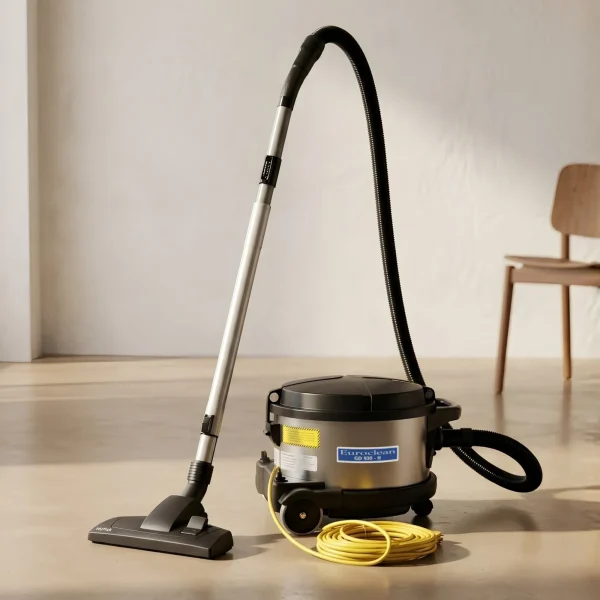
EuroClean 4 Gallon Hepa Vacuum
The Euroclean GD930HSP is a 4 Gallon Dry HEPA Vacuum that meets the EPA's standards...
-
$849.00 Shop Now