
UNDERSTANDING HOME INSPECTIONS
A homeowner's guide to understanding inspection quality and how the right data helps uncover what's happening inside your home.
Many Inspections Begin With
A Simple Question.
People typically pursue inspections when something about their indoor environment raises concern.
This may include past water damage, unexplained symptoms, musty odors, or visible signs of mold.
An inspection is often the first step toward understanding whether something inside the home may be contributing to the issue.
Many homeowners assume that if mold is suspected, the next step is to begin remediation immediately. In reality, effective remediation requires a clear understanding of where contamination is located, what caused it, and how it has spread throughout the home.
A comprehensive inspection provides the data needed to build that plan.
Inspection Methods Can
Vary Significantly.
Far too many inspections rely primarily on air sampling or visual observations. While these approaches can sometimes identify obvious problems, they may not capture the full environmental picture of a home.
For example, a single air sample taken in the center of a room analyzes only a small fraction of the air in that space.
Because contamination often hides within building materials or mechanical systems, limited testing may miss important sources.
Basic Inspection
- Limited Testing
- Quick Walkthrough
- Short Report
- Possible Missed Sources
Comprehensive Inspection
- Moisture Investigation
- Multiple Sampling Methods
- Environmental Diagnostics
- Detailed Report
Many Environmental Problems
Develop Out Of Sight.
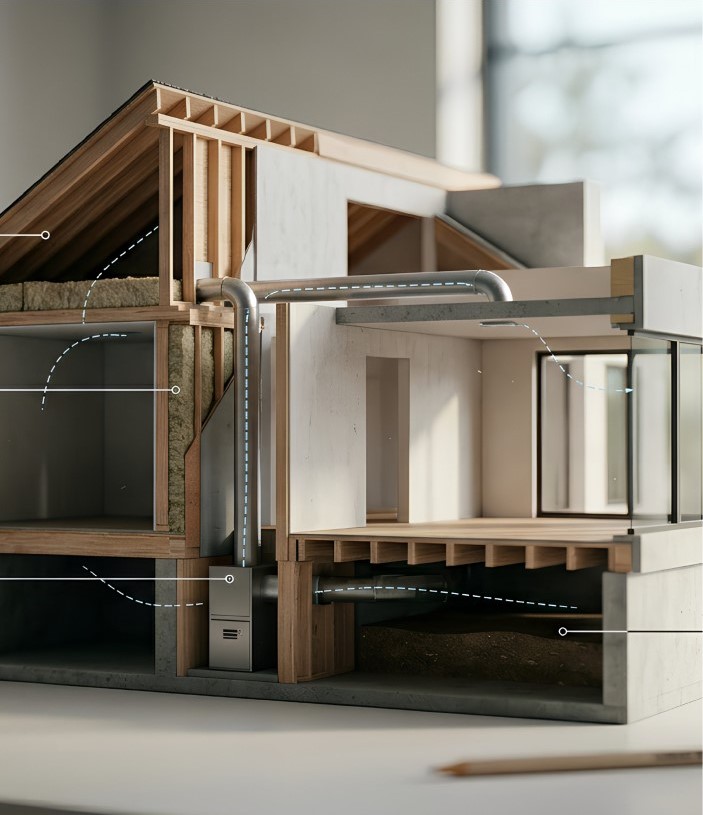
Water intrusion can trigger microbial growth and contamination in areas that are not immediately visible.
These areas may include:
- Wall Cavities
- Insulation
- HVAC Systems
- Attics
- Crawlspaces
- Beneath Flooring
- Behind Furniture
- Underneath Appliances
Particles released from these sources then travel through the home and settle in dust.
What A Comprehensive Inspection Should Include
Comprehensive inspections focus on identifying moisture sources and collecting environmental data that helps explain what is happening inside a home.
What Should A Proper
Mold Inspection Include?
Not all mold inspections are conducted the same way. While inspection methods can vary, there are several indicators that can help you determine whether an inspection is likely to provide meaningful and actionable information
Is there work worth the investment?
A thorough inspection focuses on identifying sources of moisture and contamination, not just detecting mold particles in the air.
When evaluating an inspector, here are several important things to look for:


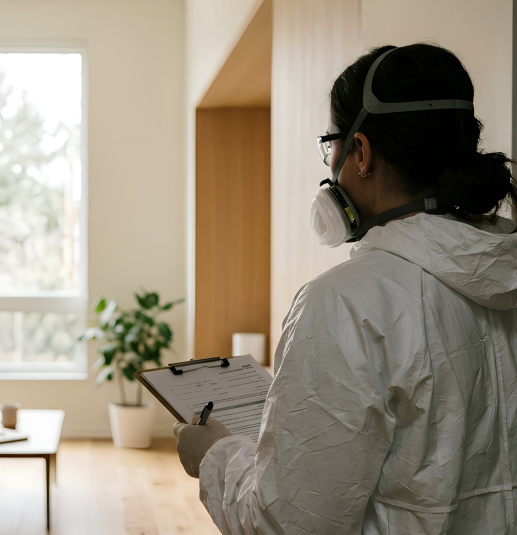
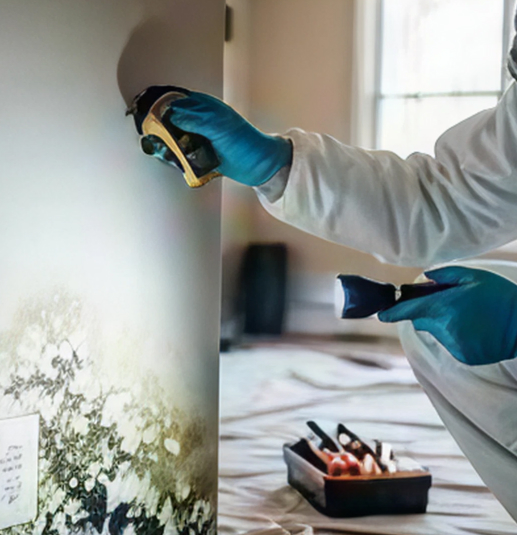

Real-World Inspection Examples
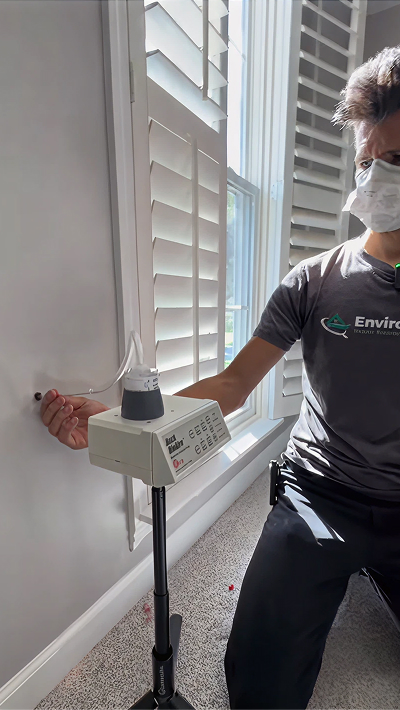
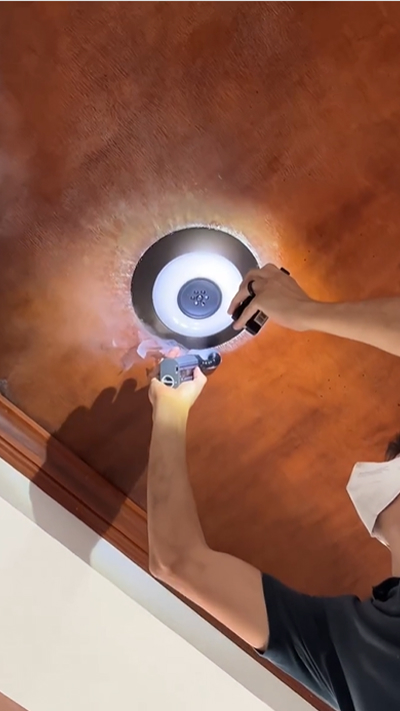
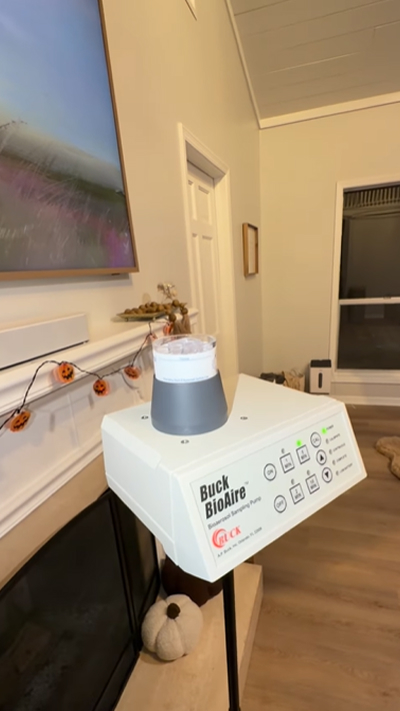
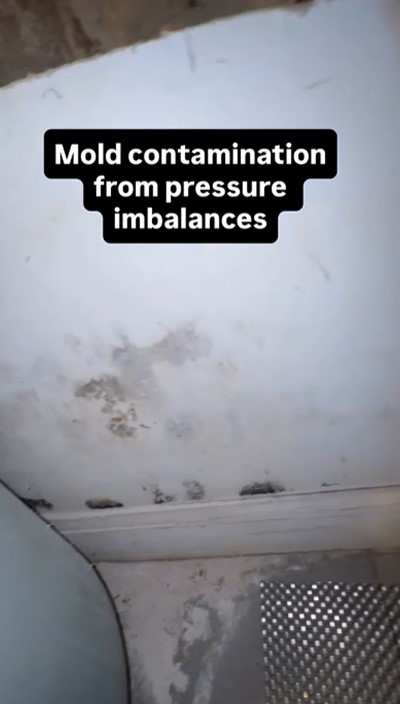
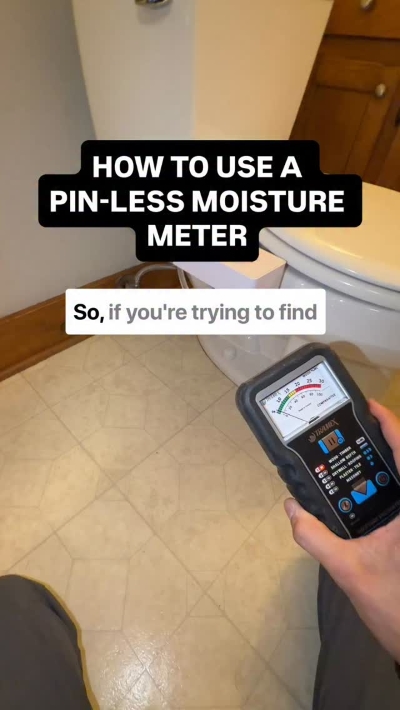
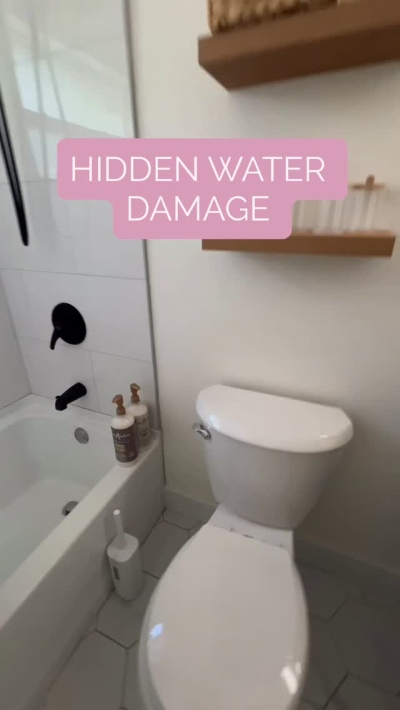
These short visual demonstrations show how environmental conditions can develop behind walls, inside HVAC systems, and within hidden areas of a home, while also illustrating the tools inspectors may use to gather meaningful data.
By seeing these methods in action, it becomes easier to understand how inspection quality directly impacts the clarity of the information collected.
Need Help Finding The
Right Inspector?
Need Help Finding the Right Inspector?
HomeCleanse does not perform mold inspections, and we never require homeowners to work with a specific company.
However, over time, we’ve built relationships with independent inspectors across the country who understand the importance of a more comprehensive environmental evaluation.
These preferred inspectors are familiar with the types of information that we need to achieve success, including moisture investigation, HVAC evaluation, targeted sampling, and environmental data that can better inform treatment planning.
Of course, you are always welcome to work with an inspector of your choosing. Our goal is simply to help you make informed decisions and better understand what a strong inspection should include.
Find trusted independent inspectors in your area and learn what makes a strong inspection.

Accurate Information Helps Guide The Next Step.
Environmental treatment plans rely heavily on the data collected during an inspection.
If contamination sources are missed, remediation efforts may overlook important areas or fail to address underlying moisture problems.
A detailed inspection report provides the roadmap needed to develop an effective treatment strategy.
Step 1
Environmental Data
Findings, moisture readings, and lab results compiled into a report.
Step 2
Treatment Planning
Data informs a targeted, source-aware remediation plan.
Step 3
Healthier Indoor Environment
The home is restored — and stays that way.
Working From Inspection Data
HomeCleanse does not perform mold inspections.
We analyze inspection reports and use the information collected to design environmental Treatment Plans unique to every home and situation.
You are free to work with any inspector you trust. Our goal is simply to help you understand what information a strong inspection should include to ensure successful remediation.
Step 1
Inspection Report
Findings, sampling data, photographs.
Step 2
HomeCleanse Analysis
We interpret the data, identify gaps.
Step 3
Treatment Plan
A custom remediation roadmap.
Download The Inspection Enlightenment Guide.
Download our homeowner guide explaining:
- How Inspections Work
- What Data Inspectors Collect
- Why Inspection Quality Matters
"*" indicates required fields
Already Have An Inspection Report?
Our team can help review your report and explain what the findings may mean for your indoor environment. We can point to any potential missing data, highlight areas to tackle first, and help you create an informed plan of action.
And answer all of the questions you may have regarding this process!
Schedule A Consultation