
If you’ve found mold in your home, your first instinct is probably simple:
“Can I clean this myself… or is this bigger than I think?”
And honestly? That’s a common question to ask.
Because not every mold issue requires a full remediation project. But not every mold issue is safe to DIY either.
The problem is that most online advice treats all mold the same. A tiny patch around a bathroom caulk line gets discussed the same way as contamination behind walls, inside HVAC systems, or spreading through damp building materials.
Those are very different situations.
In 2026, homeowners are becoming more aware of something important:
Mold is rarely just about what you can see.
It’s about moisture, particles, air movement, and how contamination spreads through a home over time.
So let’s break this down clearly, calmly, and practically.
When DIY Mold Removal Can Be Appropriate
Small, isolated surface-level growth can sometimes be handled safely without professional remediation.
Generally speaking, DIY mold cleanup may be reasonable when:
The affected area is very small
The moisture source has already been fixed
The material is non-porous
There’s no history of recurring water damage
Nobody in the home is experiencing significant health reactions
The contamination is limited to a single, easy-to-access area
Examples might include:
Minor mold growth on bathroom tile grout
Surface growth around a window with temporary condensation
A small amount of mold on a non-porous surface under a sink
Tiny spots of mildew caused by poor bathroom ventilation
In situations like these, the goal is not simply to “kill mold.”
The goal is to physically remove contamination while correcting the moisture issue that allowed it to grow in the first place.
That distinction matters a lot.
Why “Killing Mold” Is Often Misunderstood
One of the biggest misconceptions online is the idea that spraying something on mold automatically solves the problem.
But dead mold particles can still remain in the environment.
Fragments, spores, and microbial debris can continue circulating through dust and airflow patterns even after a surface looks visually cleaner.
That’s why proper mold removal focuses on:
Removing contamination
Cleaning affected surfaces correctly
Addressing moisture sources
Reducing the chance of particles spreading elsewhere
Think of mold less like a stain… and more like environmental contamination.
If the source remains or contaminated dust is left behind, the issue often returns.
Safe DIY Mold Cleanup Steps
If you’re dealing with a truly small and manageable issue, here are safer practices to follow.
1. Fix the Moisture Source First
Before cleaning anything, figure out why the mold developed.
Otherwise, you’re essentially wiping up water while the faucet is still running.
Common moisture sources include:
Bathroom humidity
Slow plumbing leaks
Condensation
Poor ventilation
Window sweating
Damp crawlspaces or basements
No moisture control = no long-term solution.
2. Wear Proper Protection
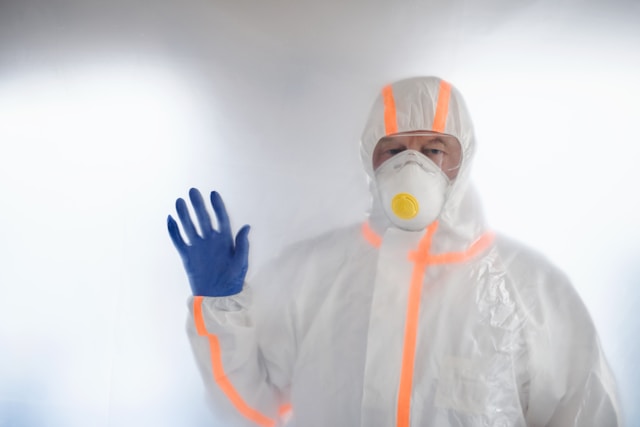
Even small cleanup projects can disturb particles.
At minimum, consider:
Gloves
Eye protection
An N95 respirator or better
Clothing you can immediately wash afterward
Avoid dry brushing or aggressive scrubbing that launches particles into the air like a microscopic glitter cannon nobody asked for. That process should always be paired with a plan to eliminate particles from the air, and containment.
3. Use Appropriate Mold Cleaning Solutions
Not all mold cleaning solutions work the same way.
And stronger chemicals do not automatically mean better remediation!
In many situations, physical removal and proper cleaning matter more than harsh chemical exposure.
For small surface-level cleanup, you can use:
Microfiber cloths
Botanical, mild cleaning agents
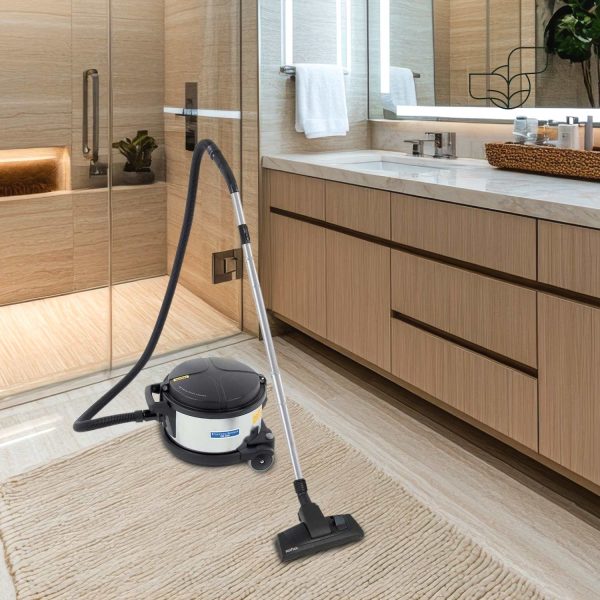
HEPA vacuuming
Targeted surface cleaning products
What matters most is removing contamination instead of simply bleaching the surface visually.
A surface looking “white again” does not always mean the problem is resolved underneath.
4. Dispose of Contaminated Materials Carefully
Porous materials can be difficult to fully clean once mold grows into them.
Depending on the material, disposal is often safer than attempting restoration.
This can include:
Ceiling tiles
Cardboard
Blankets
Pillows
Insulation
Water-damaged drywall
Certain fabrics or particleboard materials
Bag materials carefully to reduce particle spread through the home.
When You Should Call a Professional Mold Remediation Company
Many situations move beyond safe DIY territory very quickly.
Professional mold remediation is usually the better path when:
The Mold Keeps Coming Back
Recurring mold is often a sign that:
The moisture source was never fully corrected
Hidden contamination exists behind surfaces
Humidity levels remain elevated
Air movement is spreading particles elsewhere
If you clean the same area repeatedly and it returns, that’s a major clue the visible growth is not the entire story.
The Affected Area Is Large
Large contamination areas increase the likelihood of:
Particle spread during cleanup
Hidden damage
Cross-contamination
Structural material involvement
HVAC contamination
This is especially important when drywall, insulation, flooring, cabinetry, or crawlspaces are involved.
The 10x10 Rule: When Professionals Should Step In
A commonly referenced guideline in the industry is that mold contamination larger than roughly 10 feet by 10 feet should typically be handled by professionals.
Why?
Because larger contamination areas increase the risk of:
Cross-contamination throughout the home
Disturbing large amounts of particles during cleanup
Hidden moisture or concealed growth
HVAC involvement
Exposure during demolition or removal
And honestly, square footage is only part of the equation.
Even smaller areas can require professional remediation if:
The contamination keeps returning
There’s significant water damage
The mold involves ceilings or carpeting
HVAC systems may be affected
Multiple rooms are involved
The homeowner is not confident handling containment and cleanup safely
Ceilings, insulation, carpeting, and wall cavities can be especially difficult because contamination often extends farther than what’s visible on the surface.

There’s a Strong Musty Odor But Little Visible Mold
This is one of the most overlooked red flags.
A persistent earthy or musty smell can indicate hidden moisture or concealed mold growth behind walls, under flooring, or inside cavities.
Sometimes the visible mold is only the “tip of the iceberg.”
Start With Understanding the Environment
Before jumping straight into cleanup, many individuals benefit from understanding what may actually be present in the home environment.
That’s one reason dust-based environmental testing has become more popular in recent years.
Dust acts like a long-term environmental record. As particles move through a home over time, they settle into dust reservoirs throughout the space.
Starting with an at-home dust test can help identify:
What mold species may be present
Relative quantities and patterns
Whether the issue appears fairly small or more widespread
From there, an independent inspector or Indoor Environmental Professional (IEP) can help:
Examine the home thoroughly
Locate moisture sources
Determine how far contamination may have spread
Evaluate potential cross-contamination
Draft a remediation protocol for the remediation team
That step matters because successful remediation is not just about removing visible growth. It’s about understanding the full environmental picture first.
HVAC Systems May Be Involved
If contamination reaches HVAC systems, the home can begin redistributing particles throughout multiple rooms.
This is where small issues can quietly become whole-home environmental problems over time.
Proper remediation may involve:
Source removal
Containment
Air filtration
HVAC component cleaning
Detailed cleaning protocols
Moisture correction strategies
People in the Home Feel Worse Indoors
Many homeowners notice patterns before they notice visible mold.
Examples include:
Feeling better outside the home
Symptoms worsening in specific rooms
Reactions during HVAC operation
Increased issues after water damage events
That does not automatically prove mold is the cause of symptoms.
But it does mean the environment deserves a closer look.
Homes are systems. Air moves. Dust accumulates. Moisture changes conditions over time.
And because we spend so much time indoors, environmental exposures can become cumulative.

What Proper Mold Remediation Actually Includes
Proper mold remediation is much more comprehensive than spraying chemicals or wiping down visible growth.
A professional remediation process should include:
Correcting the Moisture Source
If the underlying moisture problem is not fixed, mold often returns.
That may involve:
Plumbing repairs
Drainage corrections
Ventilation improvements
Humidity control
Roof or building envelope repairs
Without moisture correction, cleanup becomes temporary.
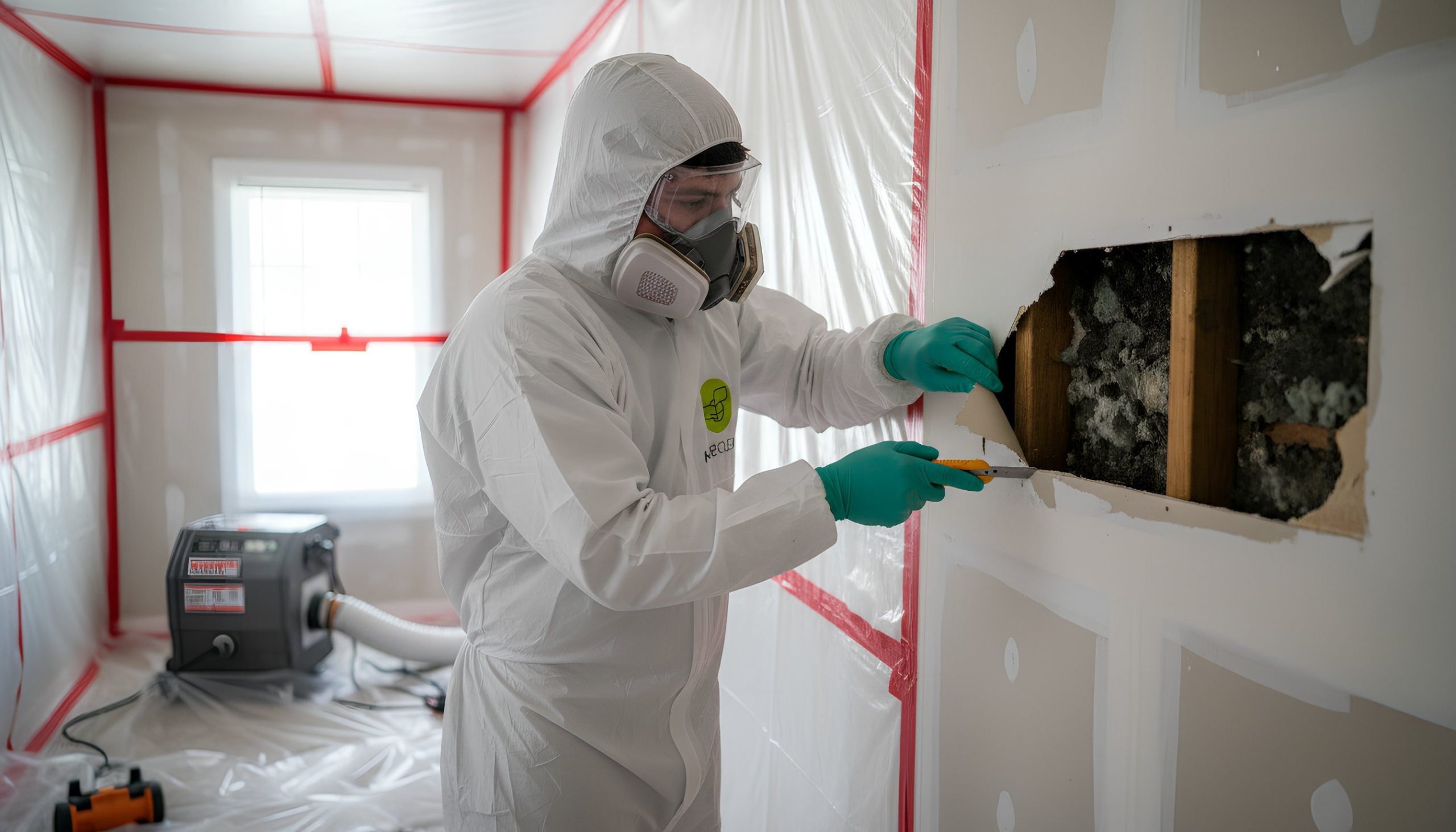
Using Proper Engineering Controls and Containment
Professional remediation teams use containment systems, filtration devices, PPE, and negative air pressure strategies to reduce:
Exposure risks
Particle spread
Cross-contamination into unaffected areas
This is especially important during demolition or removal activities when particles become airborne.
Physically Removing Contamination
Proper remediation focuses on physically removing contamination, including:
Microbial growth
Root-like structures embedded in materials
Dead mold particles
Fragments and spores
Settled contamination within the environment
This is one reason “killing mold” alone is often not considered sufficient.
Dead particles can still remain in dust and continue circulating throughout the home.
Cleaning the Indoor Environment
During active growth, particles can spread far beyond the original moisture source.
That means remediation also involves:
Detailed cleaning of surfaces
HEPA vacuuming
HVAC-related cleaning
Removing settled contamination from the room environment
The goal is to reduce the overall contamination burden inside the home, not just treat one visible spot.
Addressing Broader Contamination Concerns
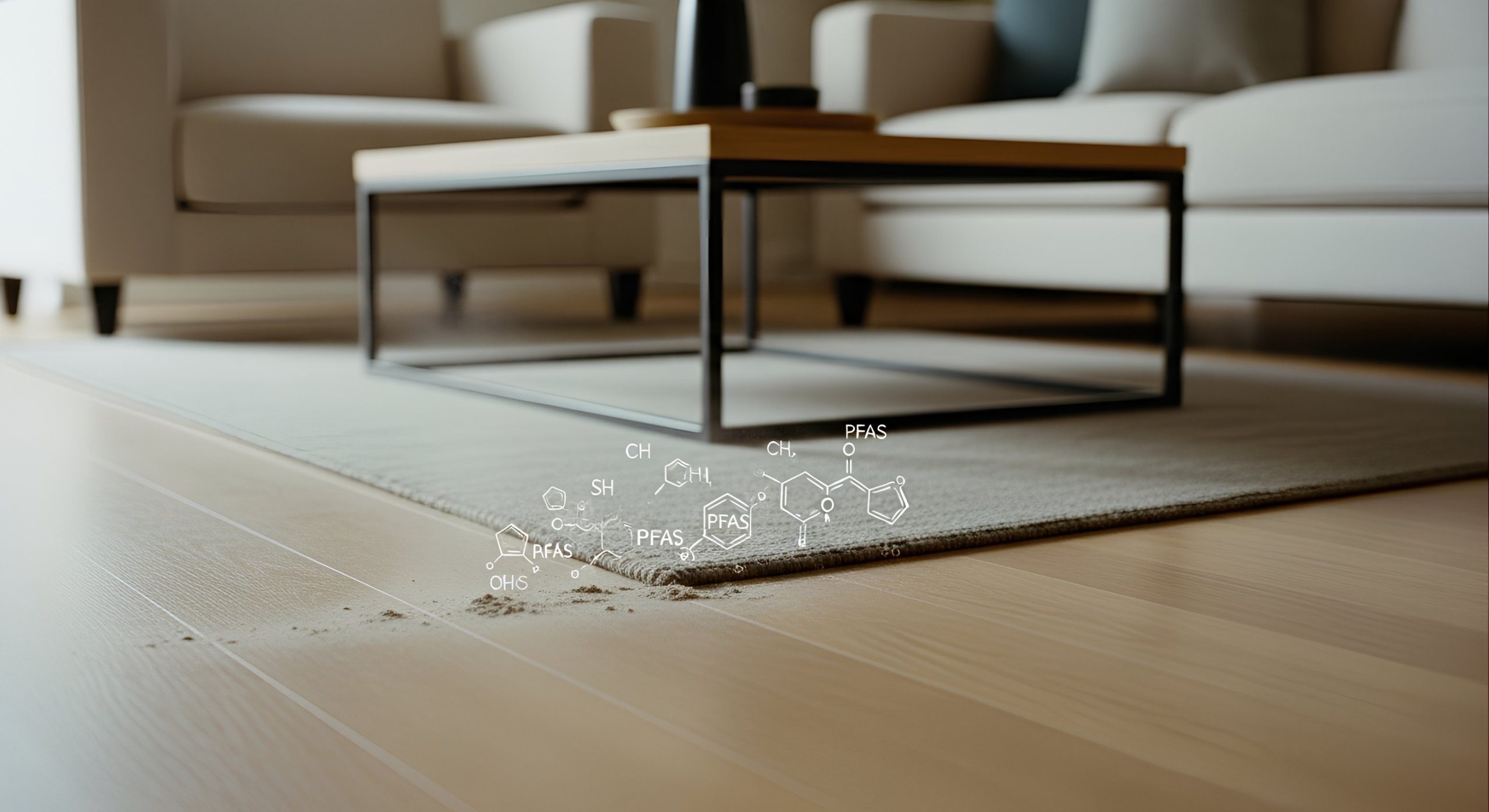
Remediation protocols should also account for:
Bacteria
Mycotoxins
Fine particulate contamination
Reservoirs of settled dust
This is why professional remediation is often approached as an environmental cleanup process rather than simple household cleaning.
How to Prevent Mold Growth After Cleanup
Whether you DIY a tiny issue or complete professional remediation, prevention matters enormously.
Keep Indoor Humidity Controlled
High humidity creates ideal conditions for microbial growth.
You should aim to keep indoor humidity consistently controlled at 35-50% throughout the year, especially in:
Bathrooms
Basements
Crawlspaces
Laundry rooms
Attics
Humidity swings are sneaky little architects of chaos.
Improve Ventilation
Bathrooms, kitchens, and laundry areas need proper airflow.
That includes:
Running exhaust fans
Venting moisture outdoors
Improving airflow in stagnant areas
Reducing condensation buildup
Address Water Damage Quickly
Time matters.
Small leaks can become major contamination issues when moisture remains trapped inside materials.
That includes:
Roof leaks
Appliance leaks
Window leaks
Plumbing failures
Flooding events
The longer moisture sits, the greater the chance contamination spreads beyond the original source.
Pay Attention to Dust and Air Quality
Dust acts like an environmental record of what’s circulating through a home over time.
Particles settle. Air moves. HVAC systems redistribute contaminants.
That’s why prevention often involves more than just surface cleaning.

You’ve Got This!
Not every mold issue requires panic.
And not every mold issue requires a full-scale remediation project either.
But the safest approach is understanding the difference between:
a small surface issue,
and a larger environmental problem.
If you can safely remove mold from surfaces or small isolated areas after fixing the moisture source, DIY cleanup may be enough.
But when mold spreads, returns, smells strong, involves HVAC systems, or affects larger areas, professional mold remediation becomes much more important.
Because successful mold removal isn’t just “winning a battle against mold.”
It’s about understanding why the environment allowed it to grow in the first place… and creating conditions where it’s less likely to return.
If you have questions about your unique situation, just give us a call. We’ll talk you through your options and share our experience to give you clarity and confidence moving forward.
Have More Questions?
A member of our team is here to help! Click on “Get Started ➤” below to book a free consultation with a member of the HOMECLEANSE team. We have a few quick questions that will help us put together a roadmap to solve or prevent all of your mold problems.
Two minutes of your time could lead to better health for you and your family.
Must-Have Indoor Air Quality Tools
-

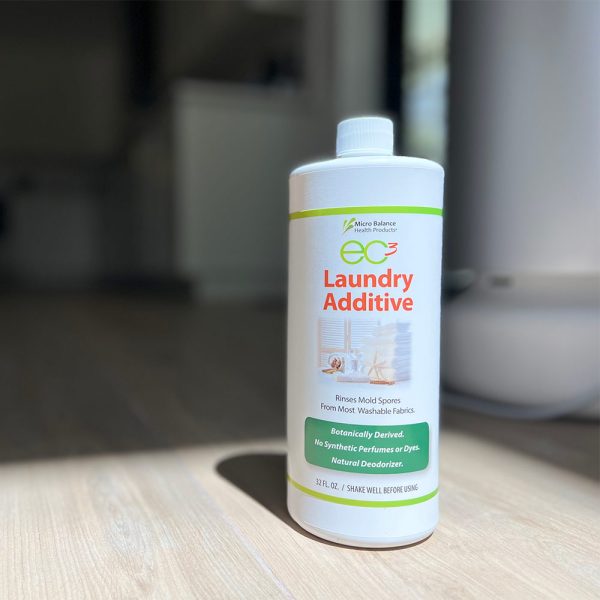
EC3 Laundry Additive
Add EC3 to every rinse cycle to rinse away mold, bacteria and musty odors from...
-
$23.00 Shop Now -

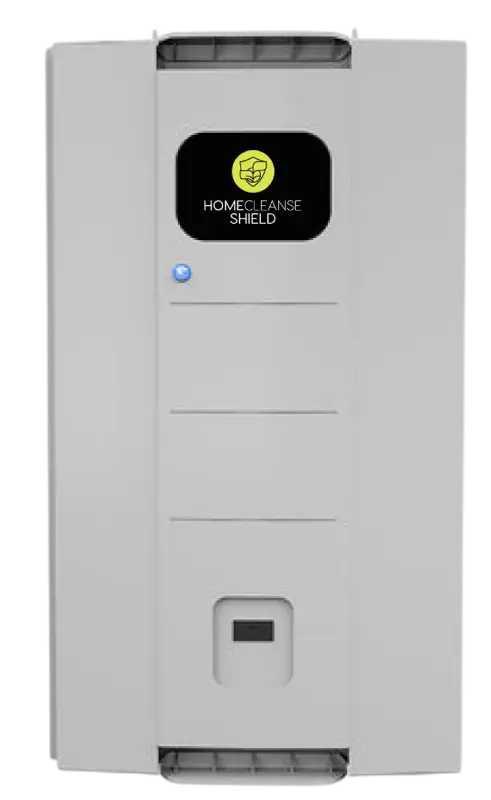
HomeCleanse Shield
Turn your HVAC into the healthiest feature of your home.
-
$2,495.00 Shop Now -
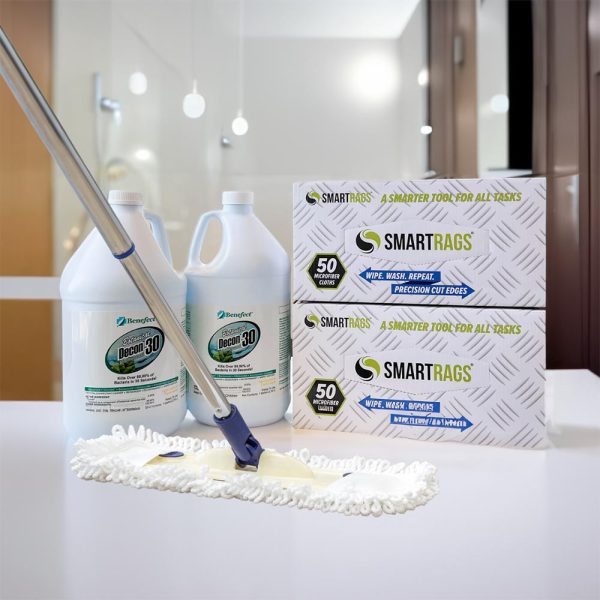
HomeCleanse Cleaning
Take your cleaning to the next level buying all the tools we use to keep...
-
Price range: $299.00 through $549.00 Shop Now -
Mold & Bacteria Contents Cleaning
Remove harmful pollutants that accumulate in the dust of your home. (Options available for renters...
-
Price range: $99.00 through $349.00 Shop Now -

EC3 Mold Solution Concentrate
Micro Balance EC3 Mold Solution Concentrate is a natural botanical that removes mold spores, bacteria,...
-
$33.00 Shop Now -

The Dust Test
Optimizing Air Quality starts with finding what’s not optimal. *Detects 36 different species of mold...
-
$299.00 Shop Now -
EuroClean 4 Gallon Hepa Vacuum
The Euroclean GD930HSP is a 4 Gallon Dry HEPA Vacuum that meets the EPA's standards...
-
$849.00 Shop Now