
If you’ve been told you need mold remediation, there’s a good chance this thought has crossed your mind:
“What if opening walls or disturbing everything just spreads it through my house?”
That’s a reasonable concern.
Many individuals worry about:
contamination spreading during demolition
- dust moving throughout the home
- HVAC systems redistributing particles
- belongings becoming contaminated
- symptoms temporarily worsening
- or making an already stressful situation worse
If you’re worried about “opening Pandora’s box,” you are not alone.
The good news?
Proper remediation is designed specifically to reduce this risk.
Why This Fear Exists in the First Place
Let’s start with something important:
The concern itself is not irrational.
When contaminated materials are disturbed without proper controls, particles can spread.
This is one reason some homeowners hear stories like, “The house felt worse after remediation.”
In many cases, what happened was not necessarily that remediation itself was the problem.
It may have been:
incomplete containment
- inadequate cleaning
- unresolved moisture
- HVAC redistribution
- or an incomplete understanding of how contamination had spread throughout the environment
In other words:
Poorly controlled remediation can create problems.
Proper remediation is designed to prevent them.
Why Mold Remediation Can Sometimes Seem Worse Before It Gets Better
This is important to understand.
During remediation, materials are often:
removed
opened
disturbed
or cleaned at a deeper level
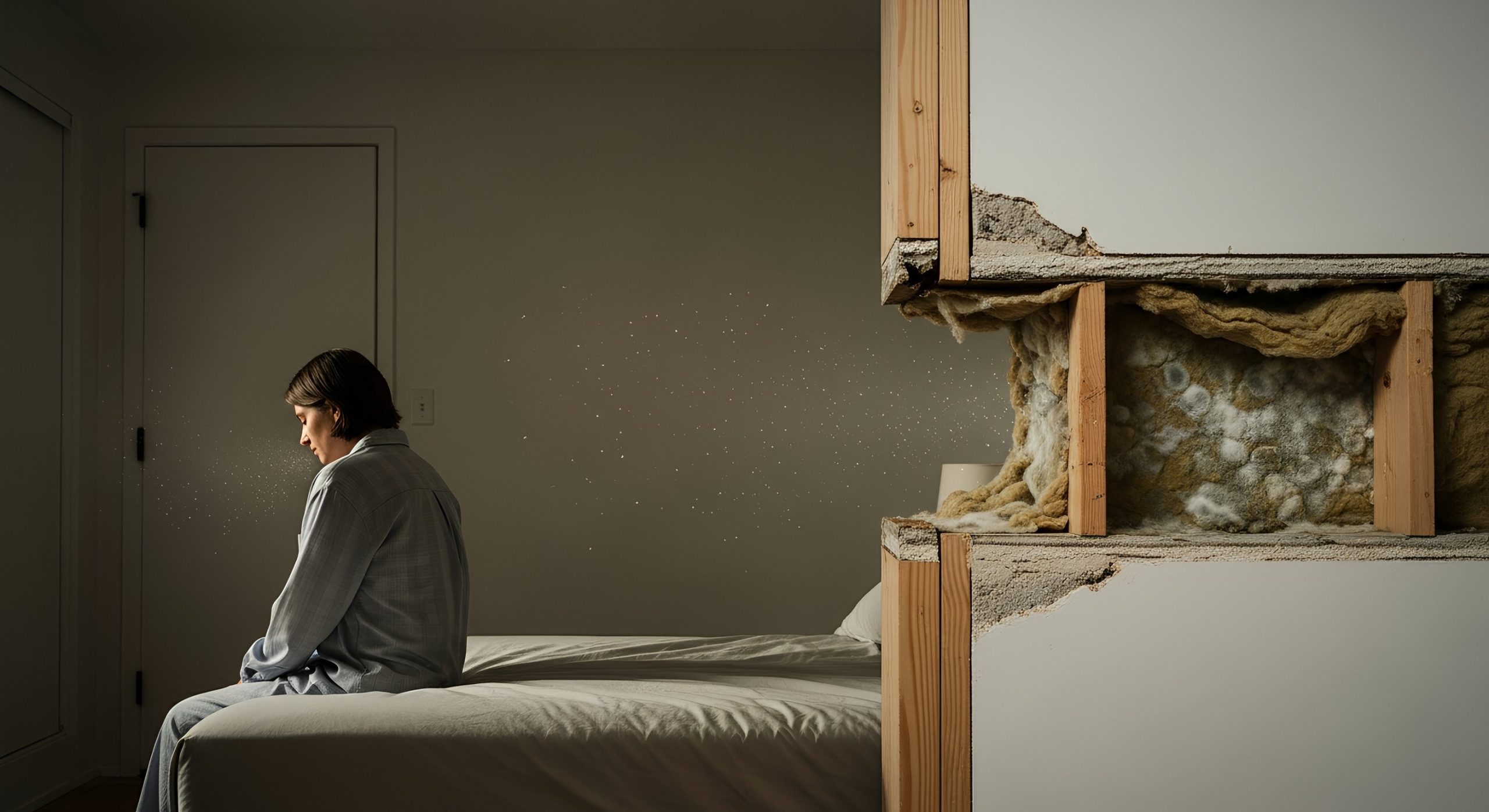
That means particles that were sitting quietly inside:
walls
insulation
crawlspaces
attics
or HVAC systems
…may temporarily become active during the process.
That sounds scary.
But this is exactly why professional remediation uses containment and engineering controls.
The goal is not to let contamination spread.
The goal is to control it while addressing the source.
Think of it like surgery:
You do not avoid the surgery because something must be opened. You control the environment carefully while solving the problem.
How Proper Remediation Is Designed to Prevent Spread
A well-designed remediation process should focus heavily on containment and environmental control.
This may include:
Containment Systems
Physical barriers designed to isolate work areas and reduce spread to unaffected parts of the home.
Negative Air Pressure
Specialized equipment designed to control airflow so particles move into containment zones instead of escaping outward.
HEPA Filtration
Professional filtration systems designed to capture microscopic particles during work.
Controlled Demolition
Removing affected materials carefully rather than aggressively disturbing everything at once.
HVAC Protection
Protecting or addressing systems that may redistribute particles through the home.
Detailed Cleaning Protocols
Cleaning not only visible debris, but microscopic settled dust that may remain after work.
Proper remediation should feel controlled. Not chaotic.
The Difference Between “Disturbing” and “Spreading”
This distinction matters.
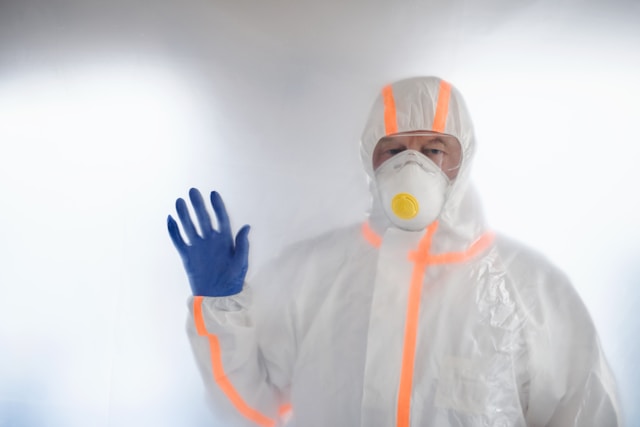
Remediation does disturb contamination.
That part is unavoidable.
But disturbing something is not the same thing as spreading it uncontrollably.
The goal of remediation is:
👉 controlled disturbance
👉 contained removal
👉 environmental stabilization
All without allowing particles to move freely throughout the home.
That’s a huge difference.
Signs a Remediation Plan Is Designed to Protect the Home
When evaluating a remediation company, ask:
✔ How will containment be handled?
✔ What systems are used to prevent spread?
✔ How is HVAC contamination addressed?
✔ What cleaning happens after demolition?
✔ How are belongings protected?
✔ What verification happens afterward?
If a company struggles to answer these clearly, it is okay to ask more questions.
You deserve to understand how your environment is being protected.

What HomeCleanse Believes
At HomeCleanse, we understand this fear completely.
No one wants to feel like they are making a difficult situation worse.
That’s why our approach focuses heavily on:
containment
- environmental control
- dust and particle management
- HVAC considerations
- and understanding how contamination behaves within the home as a connected system
The goal is not simply to remove visible problems.
It’s to help stabilize the environment while reducing the risk of ongoing exposure.
Because when remediation is done thoughtfully, the intention is not to create more disruption. It’s to help restore confidence in the space you live in.

Still Feeling Nervous About Starting?
That’s normal.
This process can feel overwhelming, especially when the home is where you’re supposed to feel safest.
If you’re unsure about a remediation recommendation or worried about how work will be performed, our team is happy to walk you through:
what remediation actually looks like
how spread is prevented
what safeguards are typically used
and what questions are worth asking before moving forward
Schedule a free consultation with a HomeCleanse specialist.
No pressure. No obligation.
Just clear, honest answers to help you feel more confident about your next step.
Schedule a Free Consultation
A member of our team is here to help! Click on “Get Started ➤” below to book a free consultation with a member of the HOMECLEANSE team. We have a few quick questions that will help us put together a roadmap to solve or prevent all of your mold problems.
Two minutes of your time could lead to better health for you and your family.
Must-Have Indoor Air Quality Tools
-

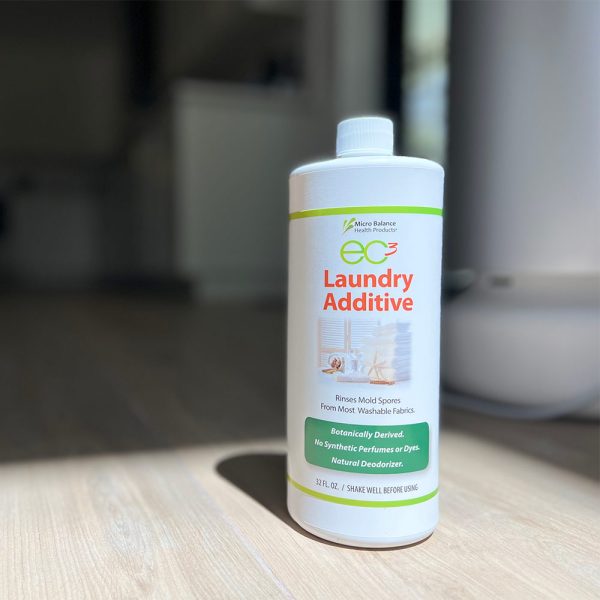
EC3 Laundry Additive
Add EC3 to every rinse cycle to rinse away mold, bacteria and musty odors from...
-
$23.00 Shop Now -

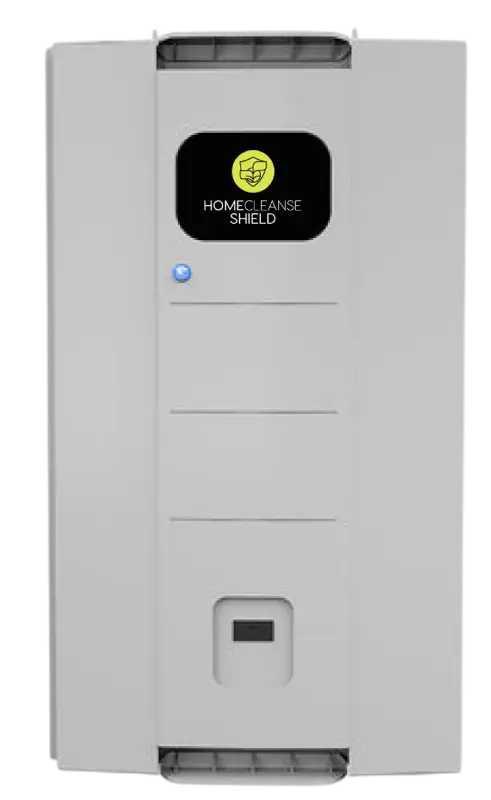
HomeCleanse Shield
Turn your HVAC into the healthiest feature of your home.
-
$2,495.00 Shop Now -
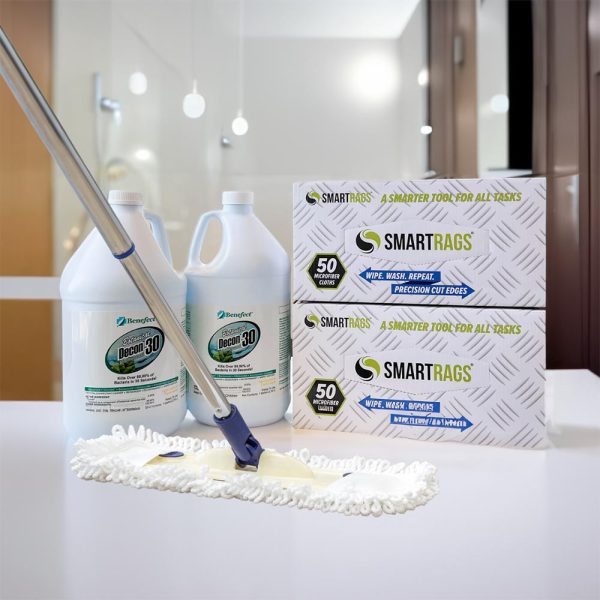
HomeCleanse Cleaning
Take your cleaning to the next level buying all the tools we use to keep...
-
Price range: $299.00 through $549.00 Shop Now -
Mold & Bacteria Contents Cleaning
Remove harmful pollutants that accumulate in the dust of your home. (Options available for renters...
-
Price range: $99.00 through $349.00 Shop Now -

EC3 Mold Solution Concentrate
Micro Balance EC3 Mold Solution Concentrate is a natural botanical that removes mold spores, bacteria,...
-
$33.00 Shop Now -

The Dust Test
Optimizing Air Quality starts with finding what’s not optimal. *Detects 36 different species of mold...
-
$299.00 Shop Now -
EuroClean 4 Gallon Hepa Vacuum
The Euroclean GD930HSP is a 4 Gallon Dry HEPA Vacuum that meets the EPA's standards...
-
$849.00 Shop Now