

Before You Go
Get Your FREE Home Cleaning Guide
Simple action items on how to make your home safer- today!

Normal indoor air quality generally means that airborne particles, humidity, ventilation, and contaminants are balanced at levels that support comfort, building stability, and overall well-being.
While there is no single universal number that defines “good” indoor air quality, healthy indoor environments typically have:
controlled humidity (around 35–50%)
proper airflow and ventilation
low levels of airborne particles and dust
no ongoing moisture issues
no persistent musty, stale, or chemical odors
But indoor air quality is not just about one measurement.
It’s about how your home functions as a complete environmental system over time.
Indoor air quality (IAQ) refers to the condition of the air inside a building, including:
airborne particles
humidity levels
ventilation
gases and chemicals
biological contaminants
and overall environmental stability
Most people assume they would immediately know if the air inside their home was unhealthy.
But indoor air quality issues are often subtle at first.
the room that always feels stuffy
dust that seems to return immediately after cleaning
a musty smell that comes and goes
condensation around windows
headaches or symptoms that improve when you leave the house
one area of the home that simply feels “off”
The difficult part is that indoor air quality is largely invisible.
And unlike outdoor pollution, you are not exposed to it for just a few moments while walking outside.
You live inside it. You sleep in it. You recover in it. You breathe it roughly 20,000 times per day.
That’s why indoor air quality matters more than many people realize.

If you’ve ever searched for what “normal” indoor air quality actually means, you’ve probably noticed something frustrating:
There isn’t one perfect number.
There isn’t one universal test. And there isn’t one simple definition.
That’s because indoor air quality is not a single measurement. It’s a constantly changing environmental system.
how air moves through the space
humidity and moisture levels
what materials are present
ventilation efficiency
dust accumulation
HVAC performance
outdoor pollutants
and what particles are continuously circulating indoors
So instead of asking: “What’s the one number that means my air is good?”
A better question is: “Is my environment balanced, stable, and consistent over time?”
Most people think of air as “empty.”
But indoor air is actually a constantly moving mixture of microscopic particles, moisture, fibers, gases, and biological material.
dust and skin cells
pollen and outdoor pollutants
pet dander
bacteria and microbial fragments
volatile organic compounds (VOCs)
moisture in the form of humidity
fibers from fabrics and furniture
cooking particles
cleaning product residues
and more
someone walks across the floor
fabric moves
the HVAC system turns on
a door opens
dust gets disturbed
…particles can become airborne again.
Some settle into surfaces.Some circulate through the HVAC system.Some collect inside carpets, furniture, ductwork, and dust reservoirs throughout the home.
Your home is not static.
It behaves more like a living environmental system.
And in modern homes, those particles often remain indoors much longer than people realize.

Modern homes are designed to be more airtight for energy efficiency.
While this helps with heating and cooling, it also reduces natural air exchange. In building science, this is often measured through “air changes per hour” (ACH), which refers to how frequently indoor air is replaced with fresh outdoor air.
When air exchange is limited, particles and contaminants can remain in the environment longer.
dust
moisture
chemical residues
microbial fragments
and airborne debris
…may continue recirculating throughout the home instead of quickly leaving it.
Over time, this creates what many building scientists refer to as cumulative environmental load.
Indoor air quality issues are often not one isolated event and more about accumulation over time.
A little condensation near windows.A small leak under a sink.Humidity in one room.Dust buildup inside vents.Poor airflow in another area of the house.
Individually, these things may not seem significant.
But homes operate as interconnected systems.
When moisture, particles, or contaminants continue accumulating without being fully addressed, the overall indoor environment can begin to shift.
This is one reason indoor air can sometimes become more concentrated than outdoor air.
Even though there is no single universal standard, healthy indoor environments typically share similar characteristics.
These often include:
Approximately 35%–50% relative humidity.
Too much moisture can contribute to material degradation and microbial growth. Air that is too dry can also irritate the skin, throat, and respiratory system.
Consistent airflow and proper air exchange throughout the home.
Rooms should generally feel stable rather than stale, damp, or stuffy.
Low visible dust and minimal airborne debris accumulation.
While no home is completely particle-free, excessive dust buildup can sometimes indicate ventilation, filtration, or environmental issues.
No persistent musty, stale, or chemical smells.
Odors can sometimes act as early indicators that moisture, contaminants, or ventilation issues may be present.
No ongoing leaks, damp materials, condensation, or unexplained humidity issues.
Moisture is one of the most important environmental factors to monitor because many indoor air quality issues begin with water intrusion or elevated humidity.

This is where indoor air quality becomes more personal.
A home can technically fall within “normal” environmental ranges and still not feel right for everyone living inside it.
Why?
Because people respond to indoor environments differently.
allergies
asthma
immune sensitivity
previous environmental exposures
chronic inflammation
and the amount of time spent indoors
…can all influence how someone experiences a space.
This is one reason indoor environmental concerns can feel so confusing.
Two people can live in the same home and respond to it very differently.
That does not automatically mean the environment is dangerous. But it also does not mean those experiences should always be dismissed.
Often, the goal is not panic.
It’s pattern recognition.
Instead of focusing on one isolated symptom or one air test result, it is often more helpful to look for patterns.
symptoms that improve when leaving the home
symptoms that return after coming back
persistent musty or stale odors
excessive dust buildup
inconsistent air quality between rooms
visible condensation or humidity issues
recurring moisture problems
worsening allergy-like symptoms indoors
rooms that feel damp, stuffy, or heavy
These signs do not confirm a specific issue on their own.
But they may indicate that the environment deserves a closer look.

Even though indoor air quality does not have one universal “healthy” number, testing can still provide valuable insight.
Different tools evaluate different aspects of the environment.
For example:
Captures what is airborne at a specific moment in time.
Evaluates what has accumulated in the environment over longer periods of time.
Helps identify moisture conditions that may contribute to environmental imbalance.
Tracks changes in airborne particle levels in real time.
Each method provides a different piece of the puzzle.
When combined, they help create a more complete understanding of how the environment is behaving.
Most people monitor things they care about:
security systems
smoke detectors
energy usage
temperature
water leaks
But very few people have visibility into the environment they spend most of their lives breathing inside.
That’s where real-time monitoring tools like the HomeCleanse Guardian can help.
recognize environmental changes
identify trends
understand what impacts their air
track patterns throughout the day
and make more informed decisions about their environment
Indoor air quality changes constantly.
What happens while cooking, cleaning, showering, opening windows, running HVAC systems, or bringing outdoor particles indoors can all influence the environment in real time.
Having visibility into those patterns can help turn uncertainty into awareness.
Real-time monitoring helps explain what is happening now. But there is also value in understanding what has been happening over time.
Dust naturally acts like a record of the environment.
As particles circulate through a home, many eventually settle into dust reservoirs throughout the space.
That’s one reason dust testing can sometimes provide valuable insight into longer-term environmental patterns.
Tools like The Dust Test analyze settled dust to help identify what may have been accumulating inside the environment over time.
Guardian → what’s happening right now
TDT → what’s been happening over time
Together, they can help create a clearer picture of the indoor environment as a whole.

A home with good indoor air quality often feels consistent and stable.
The air does not feel overly heavy, damp, stale, or irritating.
Odors are minimal or absent.
Dust buildup feels manageable.
Rooms feel relatively balanced from one area to another.
You are not constantly thinking about the air. You simply feel comfortable in the space.
If you are trying to assess your home, here are a few simple things to evaluate:
✔ Humidity stays around 35–50%
✔ No persistent musty or chemical odors
✔ Dust buildup feels manageable
✔ No known moisture or leak issues
✔ Air feels relatively consistent throughout the home
✔ No recurring condensation or dampness
✔ Ventilation and airflow feel stable
If multiple areas feel “off,” it may be worth taking a closer look at the environment.
People researching indoor air quality often also ask:
What symptoms are linked to mold exposure?
Can mold exist even if air tests are normal?
How do you test indoor air quality properly?
Why does my house smell musty even when it’s clean?
Normal indoor air quality is not about achieving one perfect number.
It is about understanding how your home functions as an environmental system over time:
how air moves
what particles are present
how moisture behaves
and whether the environment feels balanced and stable overall
Because your home is not just a structure.
It is the place where your body spends the majority of its time sleeping, recovering, breathing, and functioning.
And when indoor air quality begins to shift, homes often give subtle signals long before major problems become obvious.
Learning how to recognize those patterns can help you ask better questions, make more informed decisions, and create a healthier indoor environment over time.
Not through fear.
Through awareness.
A member of our team is here to help! Click on “Get Started ➤” below to book a free consultation with a member of the HOMECLEANSE team. We have a few quick questions that will help us put together a roadmap to solve or prevent all of your mold problems.
Two minutes of your time could lead to better health for you and your family.
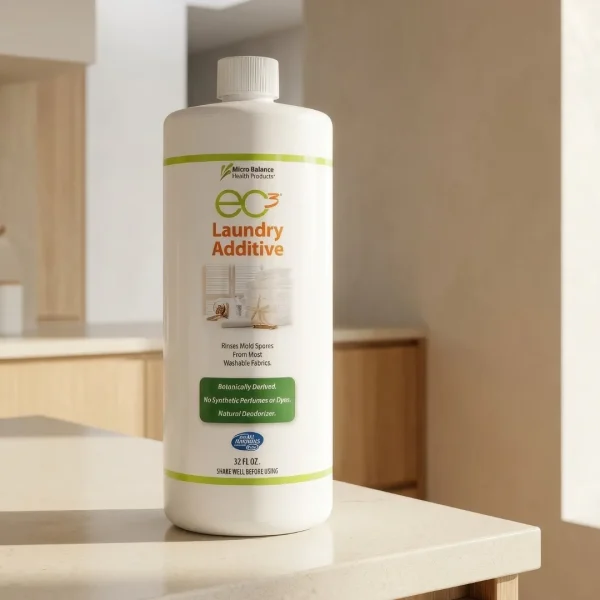
Add EC3 to every rinse cycle to rinse away mold, bacteria and musty odors from...
-
$23.00 Shop Now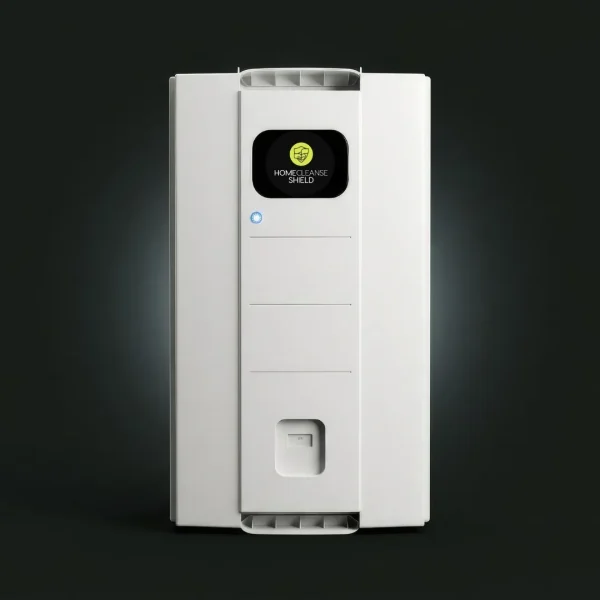
Turn your HVAC into the healthiest feature of your home.
-
$2,495.00 Shop Now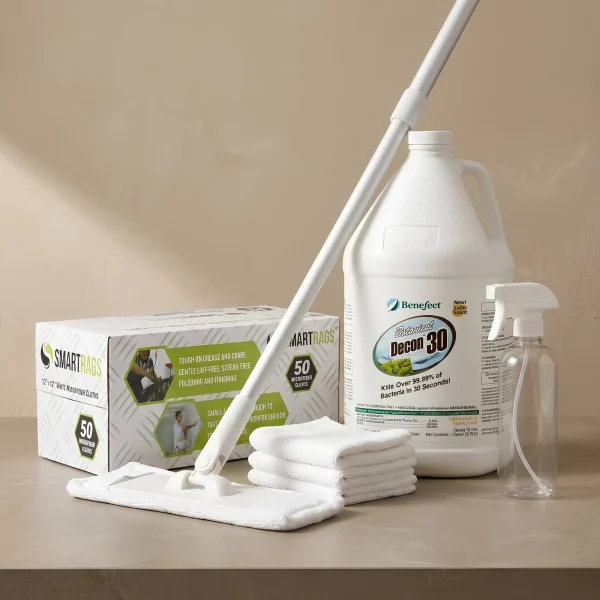
Take your cleaning to the next level buying all the tools we use to keep...
-
Price range: $299.00 through $549.00 Shop Now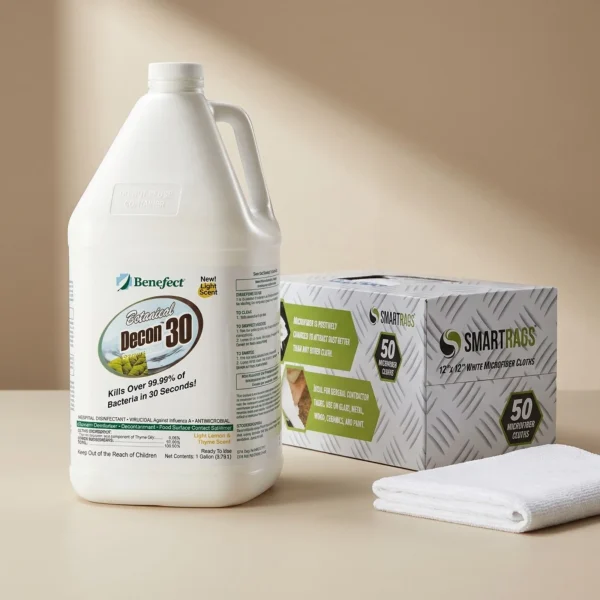
Remove harmful pollutants that accumulate in the dust of your home. (Options available for renters...
-
Price range: $99.00 through $349.00 Shop Now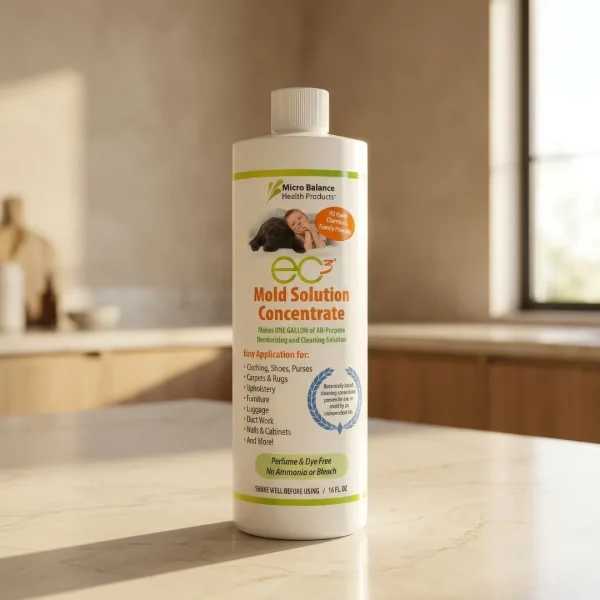
Micro Balance EC3 Mold Solution Concentrate is a natural botanical that removes mold spores, bacteria,...
-
$33.00 Shop Now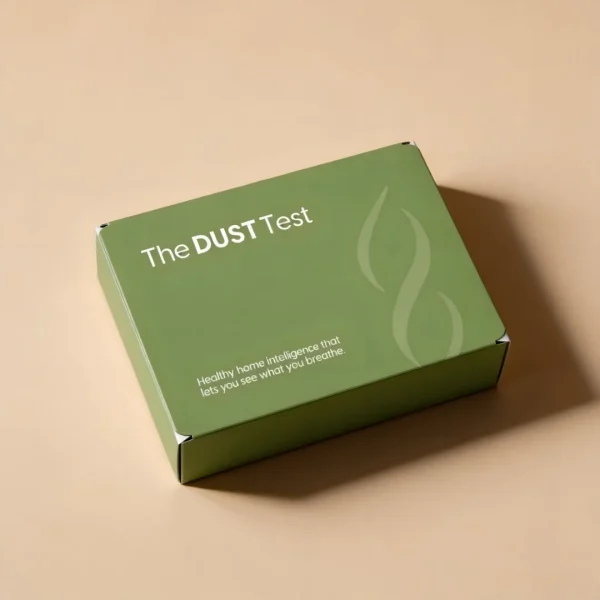
Optimizing Air Quality starts with finding what’s not optimal. *Detects 36 different species of mold...
-
$299.00 Shop Now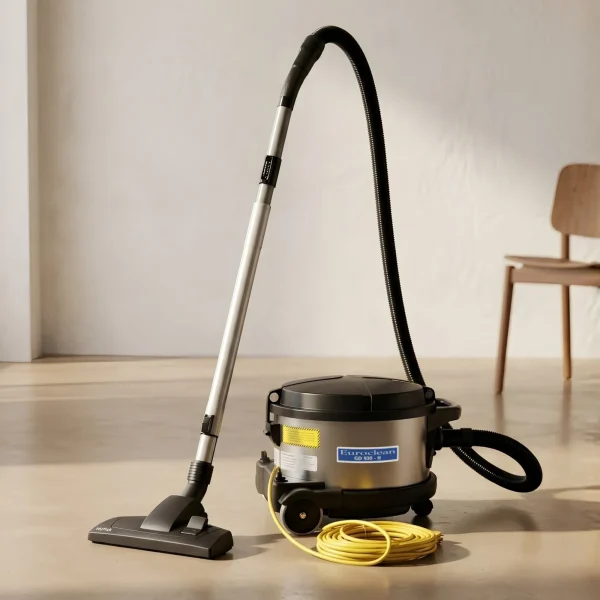
The Euroclean GD930HSP is a 4 Gallon Dry HEPA Vacuum that meets the EPA's standards...
-
$849.00 Shop Now