
Before You Go
Get Your FREE Home Cleaning Guide
Simple action items on how to make your home safer- today!

When you’re worried about mold in your home, it usually doesn’t take long before another word enters the conversation: mycotoxins.
Maybe a healthcare provider mentioned them. Maybe you saw them on a lab report. Or maybe you started researching mold exposure online and suddenly found yourself 17 tabs deep wondering whether invisible toxins could be hiding in your house.
Naturally, the next question is: Can you test a home for mycotoxins?
The short answer is yes. Certain laboratory methods can detect specific mycotoxins in environmental samples, including household dust.
But there’s an important catch.
Testing a home for mycotoxins is not the same thing as testing a home for mold. And even if a mycotoxin is detected, that result alone cannot tell you where it came from, whether active mold growth is present, how much you personally have been exposed to, or whether the detected amount is affecting your health.
So before you order a test, it helps to understand exactly what question you’re trying to answer.
Mycotoxins are tiny toxic compounds that some molds can produce under certain conditions.
That last part matters.
Finding mold does not automatically mean mycotoxins are present.
According to the Environmental Protection Agency (EPA), some molds may produce mycotoxins as they grow, but the amount and type produced depend on environmental and genetic factors. In other words, even a mold species capable of producing mycotoxins may not always be producing them.
Think of it this way: Mold → may produce → mycotoxins
Not: Mold = mycotoxins
The EPA also notes that you cannot determine whether a mold is producing mycotoxins simply by looking at it. Why? Because these tiny particles are microscopic.
That’s one reason the phrase “toxic mold” can be misleading. The Centers for Disease Control and Prevention (CDC) explains that certain molds are considered toxigenic because they are capable of producing mycotoxins. The mold itself is not a poison, and molds capable of producing mycotoxins should still be treated like other indoor mold growth: as evidence of a moisture problem that needs to be addressed.
Yes. Laboratories can analyze environmental samples for specific mycotoxins.
Researchers have detected mycotoxins in household dust using analytical methods such as liquid chromatography-tandem mass spectrometry (LC-MS/MS) and related mass spectrometry techniques.
For example, research involving water-damaged homes has identified mycotoxins and other fungal metabolites in settled dust (hence why dust is such an important component to assess home health). Other research has specifically evaluated analytical methods for detecting mycotoxins in complex house-dust samples.
So environmental mycotoxin testing is scientifically possible. But that does not mean every test answers every question you may have about your home.
A laboratory can only look for the specific compounds included in its analysis, using the sample you provide.
And this is where mold testing and mycotoxin testing begin to separate.

These tests are looking for different things.
A mold test is designed to look for evidence of mold, such as particular mold species, spores, or mold DNA.
A mycotoxin test looks for specific chemical compounds that certain molds may produce.
Put more simply:
Mold testing asks: What mold is showing up in this environment?
Environmental mycotoxin testing asks: Were any of the mycotoxins included in this analysis detected in this sample?
Those are related questions, but they are not interchangeable.
You could identify a mold species that is capable of producing a particular mycotoxin without proving that the mold is actively producing that toxin. Likewise, detecting a mycotoxin does not automatically identify exactly where mold is growing inside the building.
This distinction matters most if your real question is not “Are mycotoxins detectable?” but: “Do I have a mold problem in my home?”
If that’s what you’re trying to figure out, you need information about the mold and the building itself.
A properly performed laboratory analysis may tell you whether specific mycotoxins included in the laboratory’s panel were detected in the sample you submitted.
That can be useful information because knowing what was detected can help you better understand the environment and decide what deserves a closer look.
What it cannot do by itself is tell you:
Exactly where the mycotoxin originated
Where mold may be growing in the home
Whether active mold growth is occurring right now
How much of that mycotoxin you personally inhaled, ingested, or otherwise encountered
Whether a detected mycotoxin caused a particular symptom or health condition
Whether the entire home should be considered “safe” or “unsafe”
That last point deserves a little more attention.
There are currently no established health-based standards for acceptable indoor concentrations of mold or other biological agents that allow you to take a household result and neatly divide homes into “safe” and “dangerous” categories.
That makes interpretation much more complicated than seeing a number on a report and asking whether you passed or failed.

Let’s say you test household dust and a laboratory detects a particular mycotoxin.
It’s understandable to look at that result and immediately think: Okay. Where is the toxic mold?
Unfortunately, the result alone usually cannot answer that. It tells you that the tested compound was detected in the sample.
Now you have another question to investigate: Why is it there?
Current or previous leaks
Flooding or water intrusion
Elevated humidity
Musty odors
Visible mold growth
Staining or damaged building materials
Condensation
HVAC concerns
Hidden moisture behind walls, cabinets, flooring, or other materials
This is where environmental testing should connect to an investigation of the home instead of becoming the entire investigation.
Moisture is particularly important because indoor mold growth requires it. The EPA describes moisture control as the key to mold control, while the CDC recommends thorough visual inspection and identifying dampness and moisture problems when evaluating buildings for mold.
If a test raises a red flag, the goal should be to understand what is happening in the building and why.
No.
This is another important limitation.
A negative mycotoxin result does not automatically mean that there is no mold anywhere in my home.
And it doesn’t necessarily prove that no mycotoxins exist anywhere in the building.
A laboratory result applies to the compounds included in the analysis and the sample that was actually collected. Where you sampled, how the sample was collected, what compounds the laboratory analyzes, and the sensitivity of the testing method can all influence what is detected.
There’s another reason a negative mycotoxin result cannot rule out mold: not every mold produces mycotoxins, and molds capable of producing them do not necessarily produce them all the time.
So you could still have an indoor mold problem without detecting a particular mycotoxin in one environmental sample. That’s why the question matters so much.
If you want to know whether certain mycotoxins were detected in a particular sample, environmental mycotoxin testing may help answer that.
If you want to know whether your home has a mold problem, you need to investigate mold and moisture.

If you’ve been researching mold and mycotoxin testing, you’ve probably also come across the term ERMI.
ERMI stands for Environmental Relative Moldiness Index. It was developed by the EPA as a research tool and uses DNA analysis of household dust to evaluate 36 mold species. But ERMI testing and mycotoxin testing are not the same thing.
ERMI looks at mold DNA.
A mycotoxin analysis looks for specific compounds produced by certain molds.
Again, the important question is not simply, “Which test is best?”
It’s: What are you actually trying to find out?
Starting by investigating the home for mold and moisture often gives you more actionable information.
One option for screening the environment is The Dust Test.
Unlike a direct mycotoxin analysis, The Dust Test uses PCR-based laboratory analysis to screen household dust for 36 mold species. Because dust accumulates particles over time, analyzing it can provide a broader look at which targeted molds are showing up in the environment.
You collect settled dust from areas around the home, send the sample to the laboratory, and receive a report identifying which of the targeted mold species were detected, as well as expert insights into the best next steps you should take.
You suspect mold but cannot see an obvious source
Your home has a history of leaks or water damage
You notice musty odors
You want environmental data before deciding whether to hire an inspector
You are trying to determine whether further investigation may be warranted
You have medical lab results that point to mold exposure
The Dust Test does not tell you exactly where mold is growing. That is where a professional inspection may come next.
Think of the process this way:
Screen the environment → Investigate the source → Address the problem → Verify the work → Protect the home going forward
Each step answers a different question.
This is another place where testing can get confusing. Testing your home and testing your body are two different investigations.
If you are experiencing persistent or unexplained symptoms, speak with a qualified healthcare provider rather than trying to diagnose the cause from an environmental test alone. A healthcare provider may consider your symptoms, medical history, possible environmental exposures, and other potential causes before determining whether additional testing is appropriate.
Some laboratory tests can evaluate specific mycotoxins or their metabolites in urine. But detecting something in the body and identifying its source are separate questions.
For example, mycotoxin exposure can also occur through food. That means a result from the body does not automatically prove that a particular home was the source.
This is why investigating both sides of the picture can sometimes be helpful.
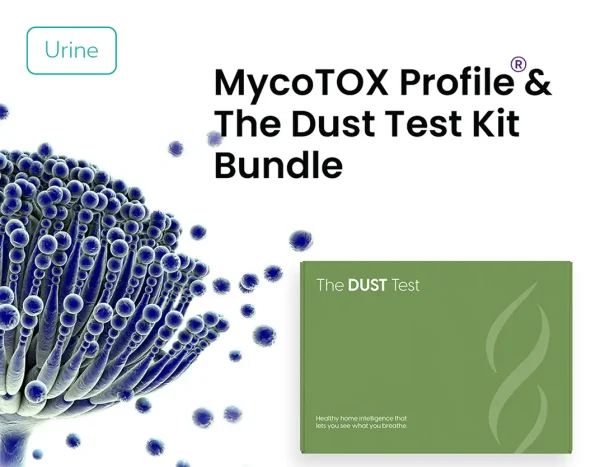
The Home + Body Mold Assessment Bundle combines The Dust Test, which screens household dust for 36 mold species, with the MycoTOX Profile®, a urine-based laboratory test that evaluates 11 mycotoxins.
The two tests answer different questions:
The Dust Test: What targeted mold species are showing up in the home?
MycoTOX Profile®: What targeted mycotoxins are being detected through the urine sample?
Neither should be interpreted in isolation as proof that one caused the other. Instead, the information can be reviewed alongside the history of the building and guidance from qualified environmental and healthcare professionals.
Yes. Specific mycotoxins can be detected in environmental samples using laboratory analysis.
But detection is only one piece of the puzzle.
A mycotoxin result cannot replace understanding the home itself.
If you are trying to figure out whether your indoor environment may have a mold problem, zoom out. Look at the building’s moisture history. Look for leaks, dampness, odors, and visible damage. Screen for mold when appropriate. Bring in a qualified inspector when further investigation is needed.
And if mold growth is found, the goal is not simply to make a test result disappear. The goal is to identify the source, correct the moisture problem, remove the contamination properly, verify that the work was successful, and create conditions that make future growth less likely.
Because the most useful test is not necessarily the one that gives you the longest laboratory report. It’s the one that helps you answer the right question and decide what to do next.

Yes. Research has demonstrated laboratory methods capable of detecting certain mycotoxins in household dust, including mass spectrometry-based methods. What can be detected depends on the laboratory, analytical method, compounds included in the panel, and sample collected.
No. Some molds are capable of producing mycotoxins under certain conditions, but the presence of mold does not automatically mean mycotoxins are present or being produced.
Not by itself. A positive result indicates that a targeted compound was detected in the submitted sample. There are no established residential health-based thresholds that allow a single environmental result to determine whether an entire home is “safe” or “unsafe.”
Generally, no. Testing a composite dust sample may detect a compound without locating its source. Finding the source usually requires investigating the building for moisture, water damage, mold growth, and other environmental clues.
Yes. Not every mold produces mycotoxins, molds capable of producing them may not always do so, and environmental sampling only represents what was captured and analyzed in the submitted sample.
Start by looking for signs of moisture and water damage. If the source is not obvious, environmental screening such as The Dust Test can provide additional information about mold species present in household dust. Depending on the findings and the history of the home, the next step may be a comprehensive professional inspection to locate the source and determine what needs to be addressed.
A member of our team is here to help! Click on “Get Started ➤” below to book a consultation with a member of the HOMECLEANSE team. We have a few quick questions that will help us put together a roadmap to solve or prevent all of your mold problems.
Two minutes of your time could lead to better health for you and your family.
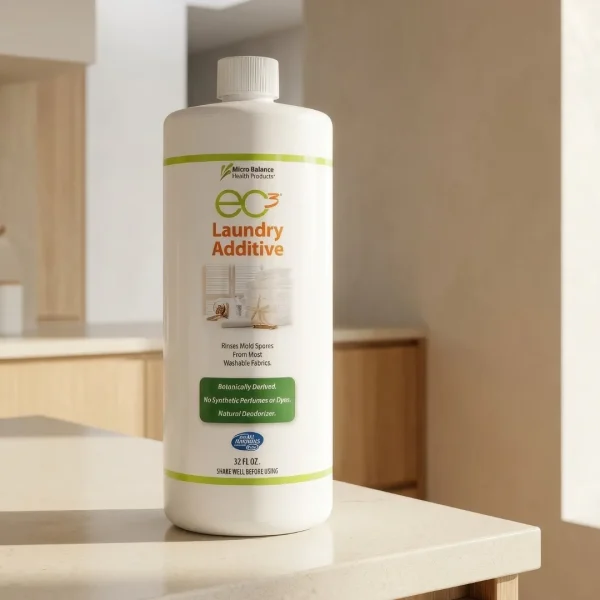
Add EC3 to every rinse cycle to rinse away mold, bacteria and musty odors from...
-
$23.00 Shop Now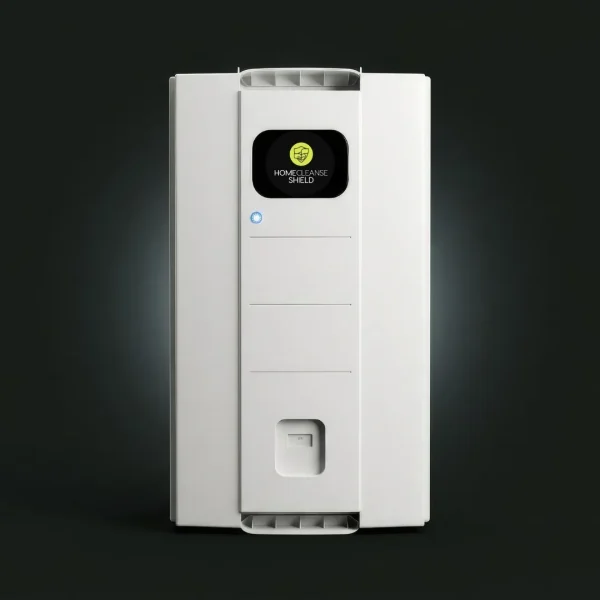
Turn your HVAC into the healthiest feature of your home.
-
$2,495.00 Shop Now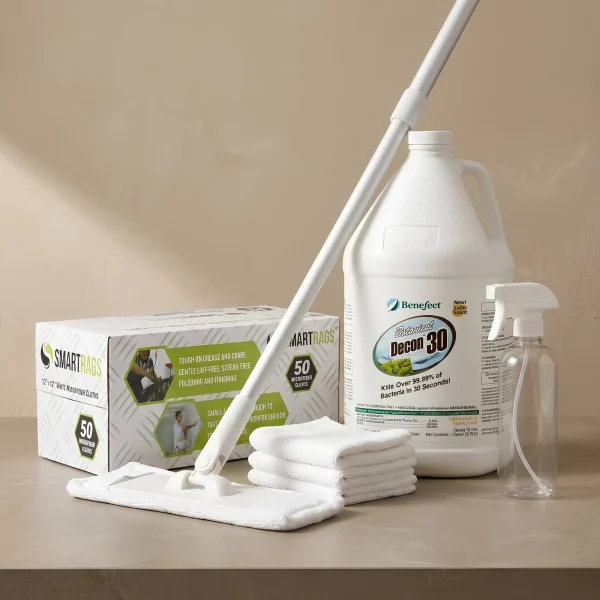
Take your cleaning to the next level buying all the tools we use to keep...
-
Price range: $299.00 through $549.00 Shop Now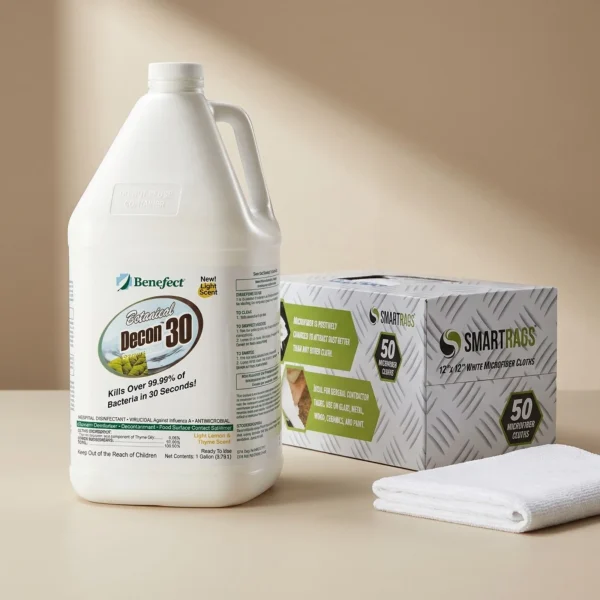
Remove harmful pollutants that accumulate in the dust of your home. (Options available for renters...
-
Price range: $99.00 through $349.00 Shop Now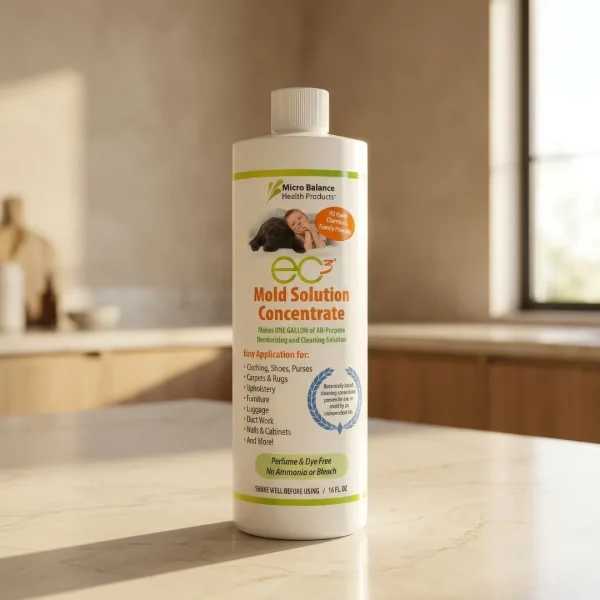
Micro Balance EC3 Mold Solution Concentrate is a natural botanical that removes mold spores, bacteria,...
-
$33.00 Shop Now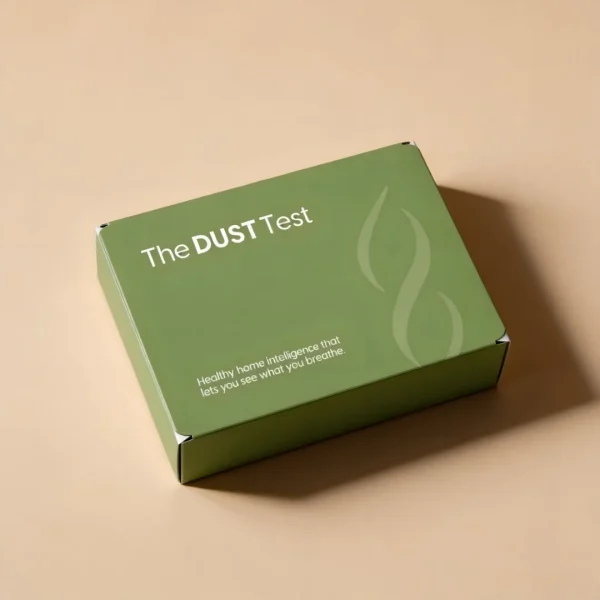
Optimizing Air Quality starts with finding what’s not optimal. *Detects 36 different species of mold...
-
$299.00 Shop Now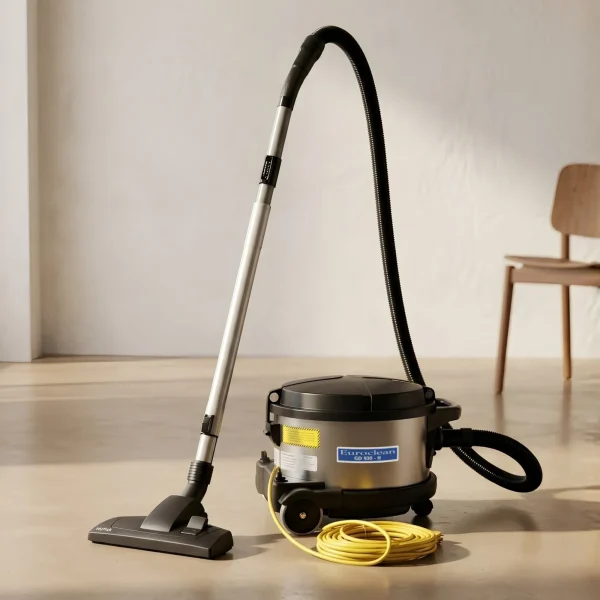
The Euroclean GD930HSP is a 4 Gallon Dry HEPA Vacuum that meets the EPA's standards...
-
$849.00 Shop Now