
Mold Resources
If you’ve ever discovered a patch of mold in your home, you know the sinking feeling that follows. It’s more than just an eyesore. It can affect your health, damage your belongings, and make your home feel less like a sanctuary. And while your first instinct might be to reach for a bottle of bleach, here’s the thing: that’s not always the safest or most effective choice.
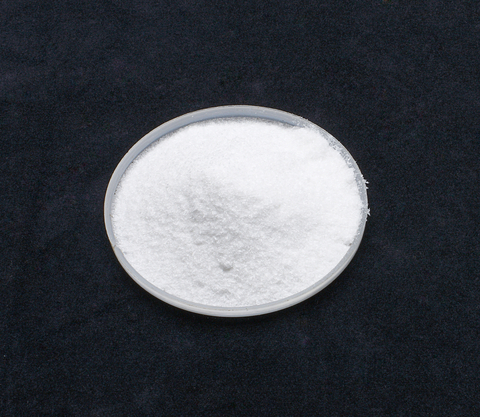
Instead, there’s a natural, budget-friendly, and surprisingly powerful option you might already have in your cleaning cupboard: Borax. This humble white powder has been around for over a century, and it’s earned a loyal following for its versatility. Today, we’re going to focus on one of its perks—how you can use Borax for mold.
What Is Borax, and Why Does It Work on Mold?
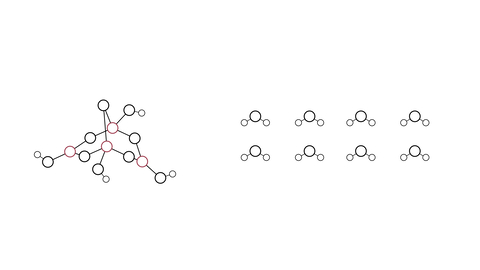
Borax, also known as sodium borate, is a naturally occurring mineral made up of sodium, boron, oxygen, and water. It’s been used for decades as a cleaner, laundry booster, deodorizer, and even more. The magic happens when you mix it with water. It creates an alkaline solution that makes it extremely difficult for mold to survive.
Here’s why that matters: mold thrives in damp, slightly acidic environments. By raising the pH, Borax disrupts the mold’s growth cycle and makes the surface less inviting for future spores. Plus, unlike harsh chemicals, Borax doesn’t release harmful fumes into your home, making it a much safer choice for households with kids, pets, or anyone sensitive to strong odors.
Does Borax Kill Mold?
Short answer: Yes, Borax can kill mold, but only in certain situations.
Borax works best on hard, non-porous surfaces like tile, sinks, tubs, and sealed countertops. When applied properly, it can kill existing mold and even leave behind a residue that helps prevent regrowth.
That said, Borax isn’t a magic bullet. If mold has made its way deep into porous materials like drywall, carpet, or unsealed wood, Borax won’t be able to reach the roots. And while it kills mold, you’ll still need to clean away the dead spores, mycotoxins, and bacteria left behind to fully protect your indoor air quality.
For large issues, especially anything over 10 square feet, professional remediation is required. The same goes for mold hidden inside walls, under flooring, or in your HVAC system.
Why Choose Borax for Mold?
There are plenty of mold-cleaning products on the market, so why add Borax to your cleaning arsenal? Here are a few reasons it stands out:
Alkaline power: Most mold simply can’t thrive in the high-pH environment Borax creates.
Safe for indoor use: No toxic fumes, no overpowering odors—just effective cleaning.
Long-term prevention: A light Borax residue can help prevent mold from returning.
Multi-purpose cleaner: It’s not just for mold. You can use it for laundry, deodorizing, polishing bathroom fixtures, and more.
Budget-friendly: One box goes a long way, making it a cost-effective solution for routine cleaning and mold prevention.
How to Use Borax for Mold Removal
If you’ve got a small patch of mold on a hard, washable surface, here’s how to effectively use Borax to clean it up:
- Mix the solution: In a bucket, combine 1 cup of Borax with 1 gallon of warm water. Stir until fully dissolved.
- Apply to the surface: Use a spray bottle or sponge to saturate the moldy area with the solution.
- Scrub thoroughly: Wearing gloves, scrub the surface with a stiff-bristle brush to loosen and lift mold.
- Wipe it away: Using a microfiber cloth, wipe the surface to eliminate any particles present to prevent further contamination.
- Repeat: Complete this process three times to eliminate as many particles as possible from the surface.
- Clean up carefully: Wash or dispose of any tools, rags, or brushes you used to prevent spreading spores to other areas.
The Limits of Borax for Mold
As effective as Borax is, it does have its limitations:
- Surface-level only: Works best on non-porous surfaces.
- Not for deep contamination: Porous materials often need to be replaced.
- Moisture must be addressed: Without fixing leaks or high humidity, mold can return, regardless of the measures taken.
- Not a stand-alone fix: Large or difficult issues require professional remediation to ensure safety.
Why Mold Removal Matters for Your Health
Mold doesn’t just damage your home. It can affect your health in many ways. Even dead mold and microscopic toxins can linger in the air, triggering symptoms like coughing, sinus congestion, headaches, fatigue, and more.
That’s why using Borax for mold should be just one step in a bigger plan that includes improving ventilation, controlling humidity, continually cleaning, and fixing any sources of water damage. A healthy home is a low-moisture, low-contaminant environment.
Final Thoughts

Using Borax for mold is a smart, safe, and eco-friendly choice for tackling small mold problems on hard surfaces. It’s affordable, widely available, and offers both cleaning and prevention benefits. While it’s not the answer for every mold issue, it’s a great tool to keep in your cleaning toolkit.
If you ever discover mold that’s widespread, hidden, or tied to water damage you can’t resolve yourself, don’t hesitate to call a professional. like HomeCleanse. That way, you can be sure your home stays a safe, comfortable, and healthy space you deserve.
Borax for Mold FAQ
1. Does Borax kill mold?
Yes. Borax kills mold on hard, non-porous surfaces by creating an alkaline environment that mold can’t survive in. It also leaves behind a residue that can help prevent regrowth. However, it does not penetrate deeply into porous materials like drywall or carpet.
2. Is Borax safe to use for mold removal?
Yes, Borax is considered safe for indoor use because it doesn’t release toxic fumes like bleach. Still, you should wear gloves, avoid inhaling the powder, and keep it away from children and pets.
3. How do you use Borax to clean mold?
- Mix 1 cup of Borax with 1 gallon of warm water.
- Apply the solution to the moldy surface using a spray bottle or sponge.
- Scrub with a stiff-bristled brush while wearing gloves.
- Wipe the surface with a microfiber cloth.
- Repeat this process three times.
- Let the area dry without rinsing completely
4. Can Borax remove black mold?
Yes, Borax can remove black mold from non-porous surfaces. The process is the same as with other types of mold. For large areas or difficult situations like mold on walls, professional remediation is recommended.
5. What’s the difference between Borax and bleach for mold?
Bleach can discolor surfaces and create harmful fumes, and it often fails to address mold roots on porous materials. Borax is non-toxic, safe for indoor air, and can help prevent mold from coming back.
6. Can I use Borax to help prevent mold in laundry?
Yes. Add half a cup of Borax to your washing machine along with your detergent to help keep mold at bay.
7. When should I call a professional instead of using Borax?
If mold covers more than 10 square feet, keeps coming back, or is growing in hidden areas (like behind walls or inside HVAC systems), hire a professional. Borax is best for small, visible mold patches on non-porous surfaces.