

Yes, mold can still be present in a home even if air tests come back “normal.” This is because air testing only captures what is airborne at a specific moment in time, and mold contamination is not always consistently released into the air.
Mold can exist behind walls, under flooring, inside HVAC systems, or within building materials where it may not be actively releasing particles during the test. Because of this, a normal air test result does not always mean that mold is not present. It simply means that it was not detected in the air at that time.
Why This Feels So Confusing
If you’ve taken the step to test your home, you’re usually looking for clarity. You want a straightforward answer. Something that either confirms or rules out a concern.
So when an air test comes back “normal,” but something still doesn’t feel right, it can create a frustrating disconnect.
Maybe there’s a lingering smell. Maybe symptoms seem to come and go depending on where you are. Maybe there’s been a known leak or moisture issue, but the test didn’t reflect anything unusual.
It can make you question your instincts.
But the truth is, this situation is more common than most people realize. And it usually comes down to how air testing works and what it doesn’t always capture.

What Air Testing Actually Measures
Air testing is designed to measure particles that are suspended in the air at the time the sample is collected. Think of it as a snapshot of the environment in a single moment.
That snapshot can be influenced by a number of factors, including how air is moving through the home, whether particles have recently been disturbed, and even the time of day.
If the air is relatively still, or if contamination is contained within building materials, the test may not detect elevated levels even if mold is present elsewhere.
This doesn’t make air testing useless. It simply means it has limitations, especially when used on its own. Instead, it should be used as a tool in the toolbox.
The Science: Why Mold Isn’t Always Airborne
Mold doesn’t behave like smoke constantly filling a room.
In many cases, it grows quietly within materials such as drywall, insulation, wood, or beneath surfaces. When it’s not being disturbed, it may release very few particles into the air at any given time.
This is especially true in enclosed spaces, like inside a wall cavity or under flooring, where airflow is limited.
However, when those materials are disturbed—through normal activity, airflow changes, or remediation work—particles can become airborne and spread throughout the environment.
So the presence of mold is not always reflected in the air at every moment. It can exist in a more contained or intermittent way.
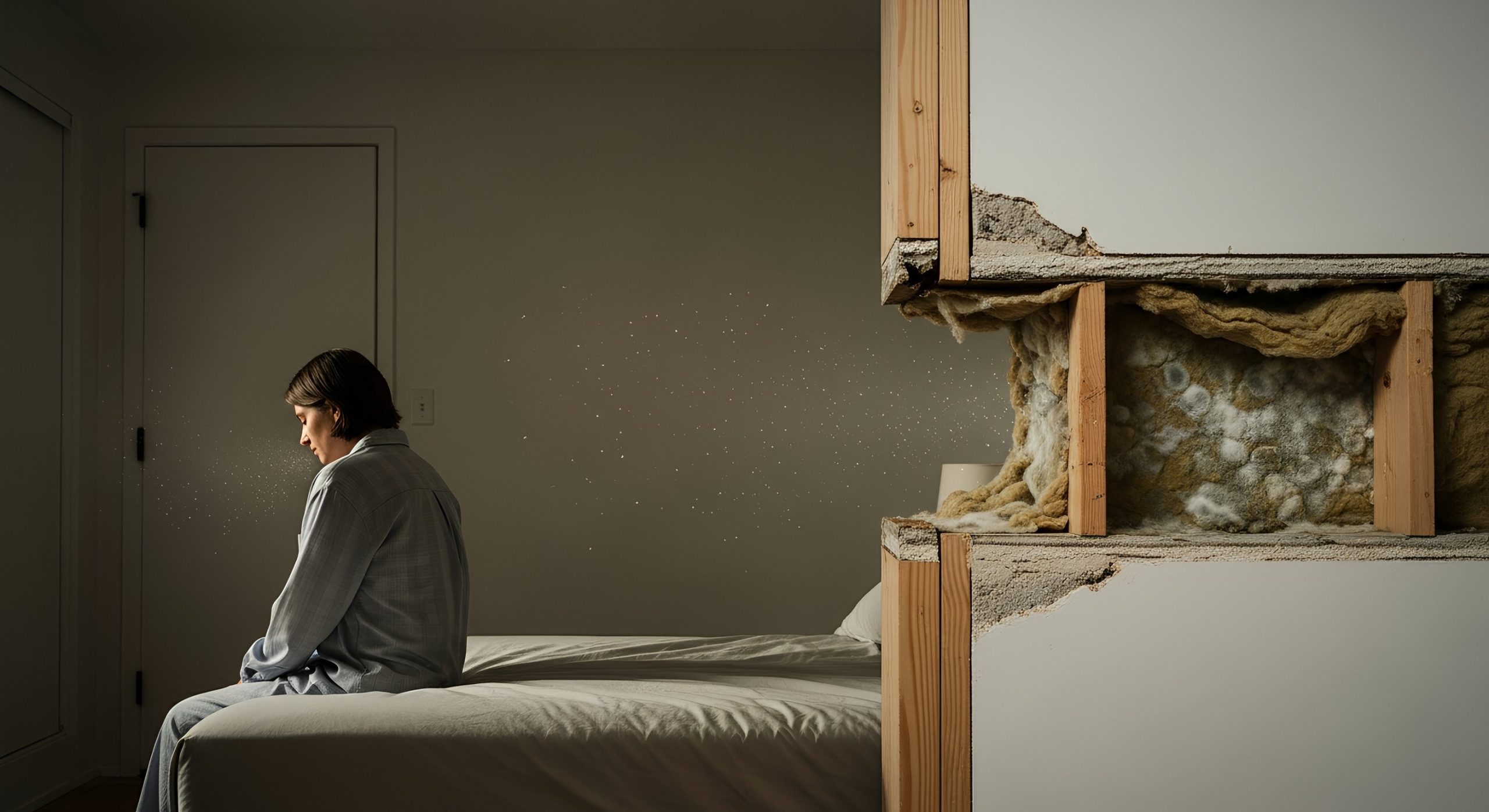
Where Mold Can Exist Without Showing Up in Air Tests
Mold often develops in areas that are not part of the typical living space and not directly sampled during testing.
These can include:
inside walls or ceilings
under flooring or behind baseboards
inside HVAC systems or ductwork
behind or underneath appliances or cabinetry
in attics, crawlspaces, or basements
In these locations, mold can remain relatively hidden, especially if there isn’t strong airflow connecting those areas to where samples are taken.
This is one of the main reasons a home can have a mold issue without it clearly appearing in air test results.
Why “Normal” Results Don’t Always Mean “No Problem”
It’s important to separate two ideas that often get lumped together:
A “normal” air test result means that airborne particle levels were within a typical range at the time of testing.
It does not confirm that:
mold is not present
there is no hidden growth
the home is completely free of contamination
Mold issues are environmental issues, not just airborne ones.
They involve materials, moisture, airflow, and time. Air testing only reflects one piece of that larger picture.
The Role of Dust: A More Complete Story
While air testing captures a moment, dust captures patterns.
As particles move through a home, they eventually settle into dust on surfaces, floors, and within the environment. Over time, that dust becomes a record of what has been present, not just what is airborne right now.
This is why dust-based analysis can sometimes provide a broader understanding of the environment. Instead of asking, “What’s in the air at this exact moment?” it asks, “What has been moving through this space over time?”
Both perspectives can be useful, but they answer different questions.
When Air Testing Can Still Be Helpful

Air testing isn’t inherently flawed! It just needs to be used in the right context.
It can be helpful for:
identifying elevated airborne particle levels in spaces like inside walls
comparing indoor vs outdoor air
supporting post-remediation verification in certain cases
But it works best when combined with other forms of evaluation, such as a detailed inspection and moisture assessment.
Relying on air testing alone can sometimes lead to incomplete conclusions.
Signs It May Be Worth Looking Deeper
If your air test came back normal but something still feels off, there are a few patterns that can be helpful to pay attention to.
For example, you might notice that symptoms improve when you leave the home and return when you come back. There may be a musty or unusual smell that isn’t consistent but appears at certain times. You may know there was a past leak or humidity issue that wasn’t fully addressed.
Sometimes different rooms feel different, even if nothing obvious stands out.
These kinds of patterns don’t provide a diagnosis, but they can signal that the environment may deserve a closer look.

What to Do Next
If you’re in this situation, the goal isn’t to jump to conclusions. It’s to gather better information.
That might mean revisiting how the test was performed, considering whether all areas of the home were evaluated, or looking more closely at moisture conditions.
It can also mean using additional methods that provide a broader view of the environment over time, rather than relying on a single snapshot.
When you start looking at the home as a system instead of a single data point, things often begin to make more sense.
Quick Reality Check
✔ Air testing reflects a moment—not the full environment
✔ Mold is not always actively airborne
✔ Hidden growth can exist without detection
✔ Dust can provide longer-term insight
✔ Your experience in the home matters
Final Thoughts
It’s completely understandable to expect a test to give you a clear answer. But with something as complex as indoor environments, one measurement rarely tells the full story.
If something still feels off, it’s worth listening to that signal. Not with panic, but with curiosity.
Because the more complete the picture becomes, the easier it is to take the right next step and move toward a home that truly feels right again.

Not Sure What to Trust? You’re Not Alone.
If you’re reading this and thinking, “Wait… so a normal air test doesn’t necessarily mean everything is okay?” you’re asking a really important question.
That uncertainty can feel frustrating. Especially when something still doesn’t feel right.
Here’s the part we want you to take with you:
You don’t have to navigate that uncertainty on your own.
Our team offers free, no-pressure consultations to help you make sense of what you’re seeing and what steps actually make sense next. Whether that’s:
- Understanding what air testing can and can’t tell you
- Looking at other ways to evaluate the environment more completely
- Reviewing results you’ve already received
- Or helping you determine if further inspection is even necessary
No pressure. No assumptions. Just clarity.
Because the goal isn’t just to run tests.
It’s to make sure you’re getting answers that actually reflect what’s happening in your environment… so you can move forward with confidence.
If you want a second set of eyes before your next step, we’re here for you.
Ready to Chat?
A member of our team is here to help! Click on “Get Started ➤” below to book a consultation with a member of the HOMECLEANSE team. We have a few quick questions that will help us put together a roadmap to solve or prevent all of your mold problems.
Two minutes of your time could lead to better health for you and your family.
Must-Have Indoor Air Quality Tools
-
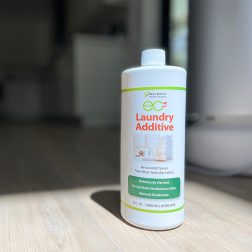
EC3 Laundry Additive
Add EC3 to every rinse cycle to rinse away mold, bacteria and musty odors from...
-
$23.00 Shop Now -
HomeCleanse Shield
Turn your HVAC into the healthiest feature of your home.
-
$2,495.00 Shop Now -
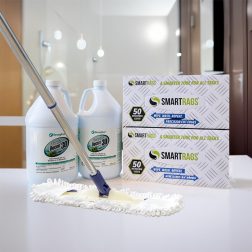
HomeCleanse Cleaning
Take your cleaning to the next level buying all the tools we use to keep...
-
Price range: $299.00 through $549.00 Shop Now -
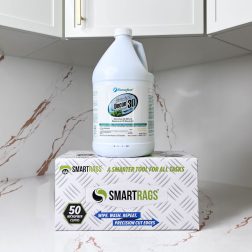
Mold & Bacteria Contents Cleaning
Remove harmful pollutants that accumulate in the dust of your home. (Options available for renters...
-
Price range: $99.00 through $349.00 Shop Now -

EC3 Mold Solution Concentrate
Micro Balance EC3 Mold Solution Concentrate is a natural botanical that removes mold spores, bacteria,...
-
$33.00 Shop Now -
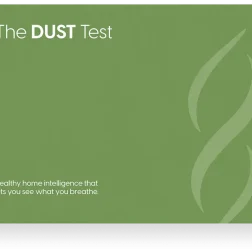
The Dust Test
Optimizing Air Quality starts with finding what’s not optimal. *Detects 36 different species of mold...
-
$299.00 Shop Now -
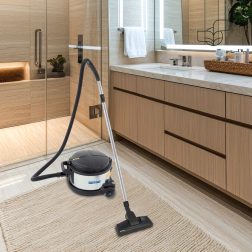
EuroClean 4 Gallon Hepa Vacuum
The Euroclean GD930HSP is a 4 Gallon Dry HEPA Vacuum that meets the EPA's standards...
-
$849.00 Shop Now