Most people clean their homes to create a healthier environment. But what many don’t realize is that some cleaning products can actually contribute to indoor air pollution at the same time they’re being used.
If you’ve ever noticed headaches after cleaning, lingering chemical smells, throat irritation, dizziness, or air that suddenly feels “off,” you’re not imagining it. In many cases, the products being used to clean the home may temporarily impact the quality of the air inside it.
And in modern homes that are built to be tightly sealed and energy efficient, those airborne compounds can linger and recirculate longer than many people realize.
Yes, Cleaning Products Can Affect Indoor Air Quality
Many household cleaning products are designed to remove germs, grease, stains, and odors.
The issue is not that cleaning itself is harmful. The issue is that some products may release compounds into the air while they are being used.
In modern homes that are tightly sealed and energy efficient, some of those airborne compounds may linger longer than people realize.
Some Common Compounds Found in Cleaning Products
- VOCs (Volatile Organic Compounds) → Can contribute to headaches, dizziness, throat irritation, and poorer indoor air quality in some individuals. Found in sprays, disinfectants, air fresheners, and scented cleaners.
- Synthetic Fragrances / Phthalates → Often used to create a lingering “clean smell.” Some fragrance compounds may irritate sensitive individuals or contribute to respiratory irritation and hormone disruption concerns.
- Bleach (Sodium Hypochlorite) → Can irritate the eyes, skin, and respiratory system. Mixing bleach with vinegar, ammonia, or other cleaners can create dangerous gases.
- Ammonia → Common in glass and polishing products. Strong fumes may irritate the eyes, nose, throat, and lungs, especially in poorly ventilated spaces.
- Quaternary Ammonium Compounds (“Quats”) → Found in some disinfectants and sanitizing wipes. May contribute to skin irritation and have been associated with asthma and respiratory concerns in some studies.
- 2-Butoxyethanol → Found in some degreasers and glass cleaners. Has been linked to respiratory irritation and headaches with repeated exposure.
This does not mean you need to fear every product under the sink. Instead, it highlights the importance of ingredient awareness, ventilation, and choosing lower-fragrance, lower-VOC, or botanical-based products whenever possible.
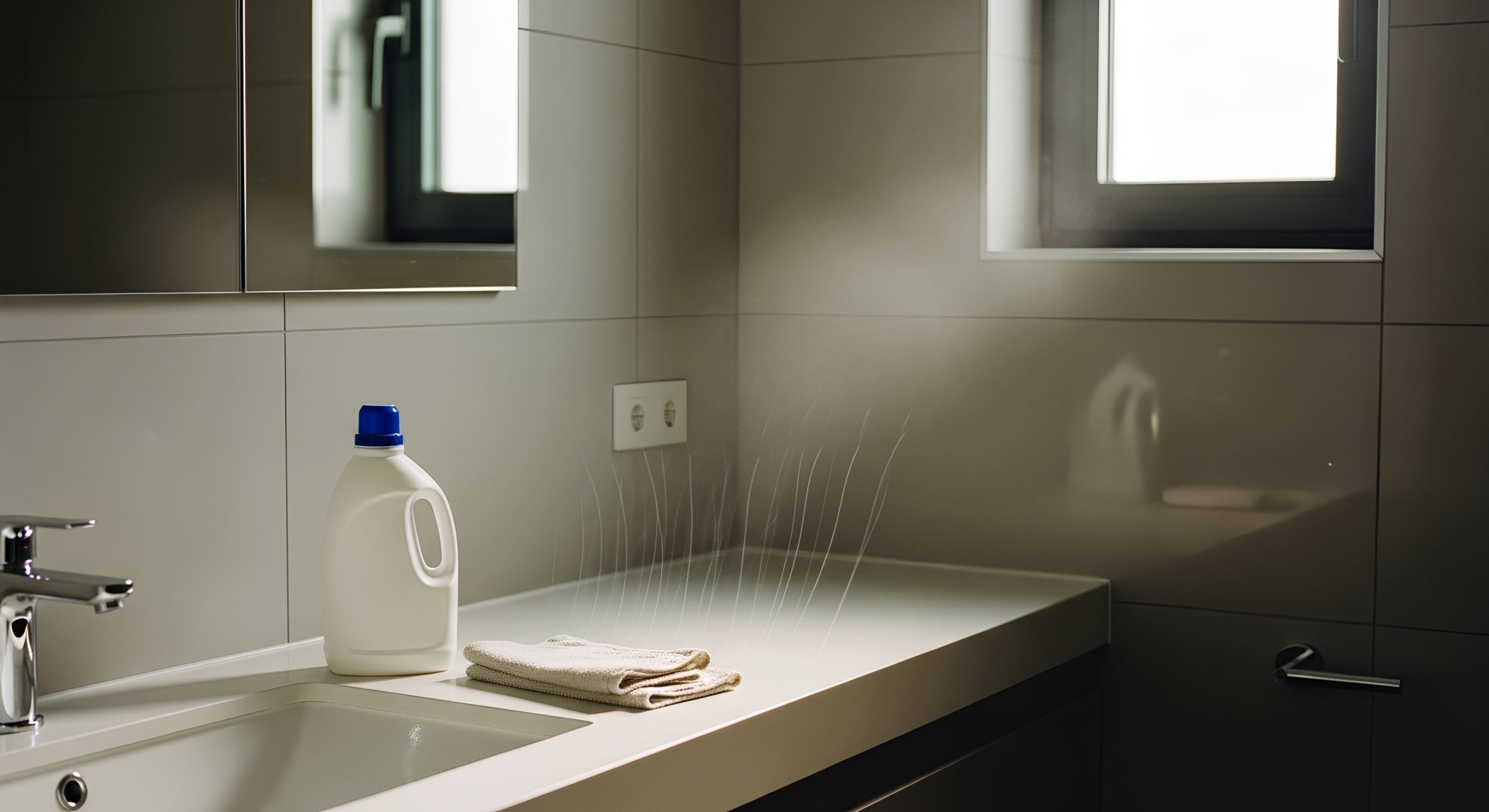
Why a “Clean Smell” Doesn’t Always Mean Cleaner Air
Many people associate strong fragrances with cleanliness. But in reality, that “fresh” or “clean” smell is often the result of added fragrance compounds rather than proof that indoor air is healthier.
Some scented cleaning products are designed specifically to leave behind a lingering smell because consumers psychologically associate scent with sanitation. The challenge is that fragrance compounds can become part of the indoor air mixture themselves.
This is especially important for individuals who are chemically sensitive, have asthma, chronic inflammatory conditions, migraines, or heightened environmental sensitivities.
In some cases, heavily fragranced products may temporarily make the environment feel more irritating rather than less. In this modern age, we also want to actively focus on reducing our daily toxic load.
Common Symptoms Some People Notice After Cleaning
Not everyone reacts to cleaning products the same way. Some people experience no noticeable symptoms at all, while others may be far more sensitive to airborne chemicals or fragrance compounds.
Some commonly reported reactions include:
Headaches
Eye irritation
Coughing
Sneezing
Throat irritation
Brain fog
Fatigue
Dizziness
Asthma flare-ups
Skin irritation
A feeling of “heavy” indoor air
For some individuals, these symptoms may become more noticeable after deep cleaning sessions, heavy disinfectant use, or prolonged exposure to fragranced products in poorly ventilated spaces.

Indoor Air Quality Is About More Than Just Mold
When people think about indoor air quality concerns, mold is often one of the first things that comes to mind. But indoor environments are influenced by far more than one single factor.
Indoor air quality can also be affected by:
Cleaning products
VOCs
PFAS
Humidity levels
Airflow patterns
HVAC performance
Dust accumulation
Outdoor pollution entering the home
Combustion byproducts
Fragrance compounds
Particle buildup within furnishings and surfaces
This is why healthy indoor environments typically require a whole-home perspective rather than focusing on only one variable at a time.
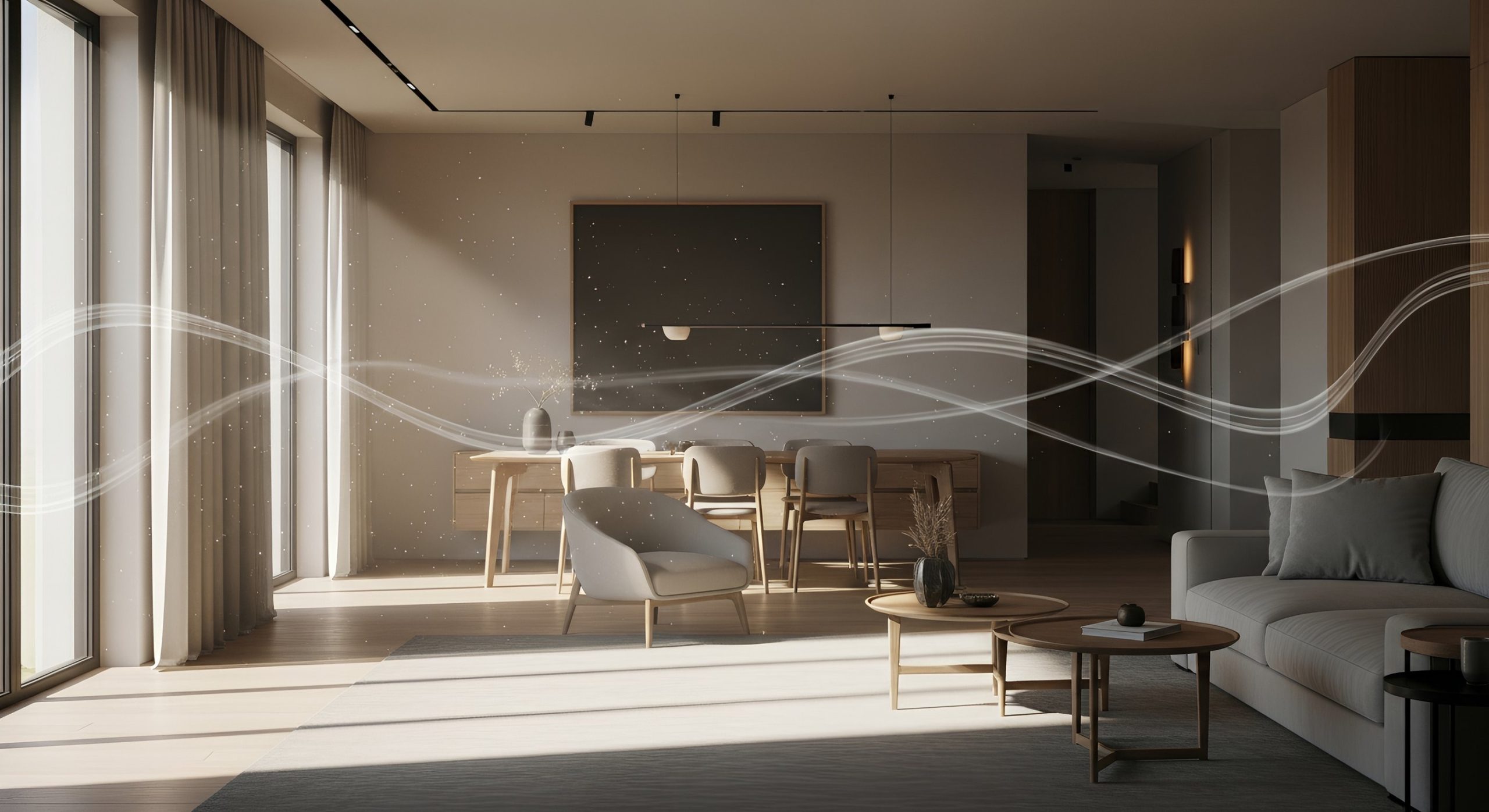
Homes behave like systems. Air moves continuously throughout the environment, carrying particles and compounds from one area to another. What gets released into the air does not always simply disappear once cleaning is finished.
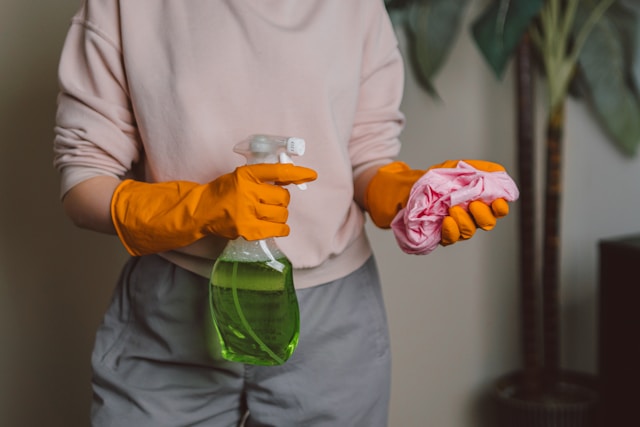
Are “Natural” or “Green” Cleaning Products Always Better?
Not always.
While some lower-VOC or botanical-based products may reduce the amount of harsh chemicals introduced into the environment, terms like “green” and “natural” are not always heavily regulated in marketing.
Some products labeled as natural may still contain fragrances or ingredients that can irritate sensitive individuals.
That’s why ingredient transparency matters.
When evaluating cleaning products, it can be helpful to look for:
Low-VOC formulations
Fragrance-free or naturally scented options
Transparent ingredient lists
Third-party certifications when available
Products designed for environmentally sensitive settings
For all households, reducing unnecessary chemical load inside the home helps support a healthier overall environment.
How to Reduce Indoor Air Pollution From Cleaning Products
If you’re concerned about how cleaning products may be affecting your indoor environment, there are several practical steps you can take to reduce airborne chemical exposure in your home.
Improve Ventilation
Open windows when possible and increase fresh air exchange during and after cleaning.
Reduce Heavy Fragrance Use
Strong fragrances may linger in the air and settle into soft materials throughout the home.
Avoid Overusing Aerosol Sprays
Aerosolized products can disperse particles and compounds more widely into the air, and most commonly marketed aerosol sprays contain a plethora of chemicals.
Use HEPA Filtration
High-quality filtration may help reduce airborne particles circulating throughout the environment.
Clean Dust Reservoirs Properly
Dust can act as a reservoir for particles and chemicals over time. Proper cleaning methods matter.
Choose Botanical Products When Possible
Ingredient transparency still matters, but choosing lower-VOC, botanical-based products is often a healthier long-term approach for indoor air quality.
Focus on the Overall Environment
Indoor air quality is rarely influenced by just one thing. Airflow, humidity, filtration, cleaning habits, and environmental conditions all work together.
Products We Use and Love
Below are some products that meet our standards for supporting healthy indoor air quality.
-

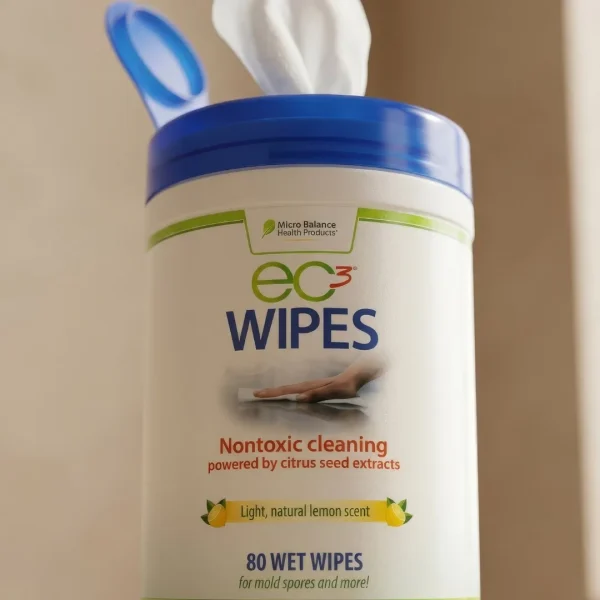
EC3 Wipes
Clean, deodorize, and tackle mold spores anywhere and everywhere with our NEW EC3 Wipes! These...
-
$18.00 Shop Now -
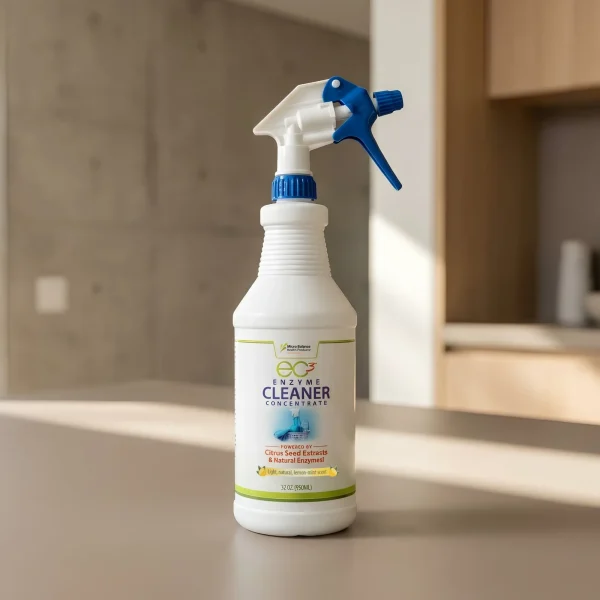
EC3 Enzyme Cleaner Concentrate
EC3 Enzyme Cleaner Concentrate is specifically blended for cleaning and stain removal. Its formula enzymatically...
-
$34.50 Shop Now -
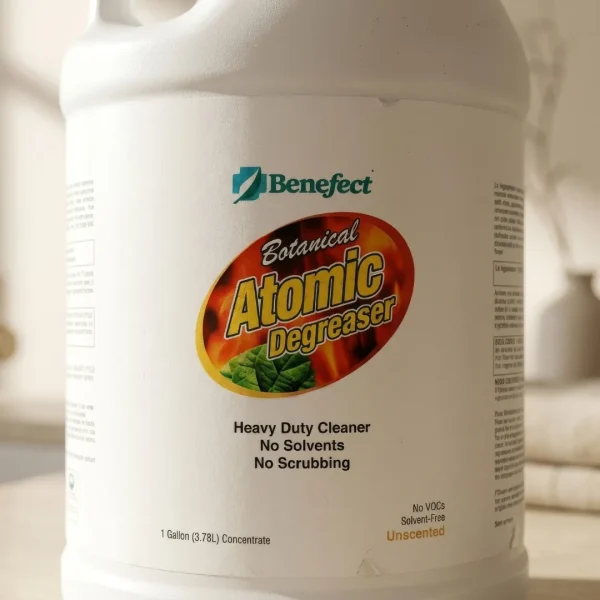
Benefect Atomic Fire and Smoke Degreaser
Benefect Atomic Fire and Smoke Degreaser is a heavy-duty Cleaner & Degreaser Concentrate based on...
-
$41.00 Shop Now -
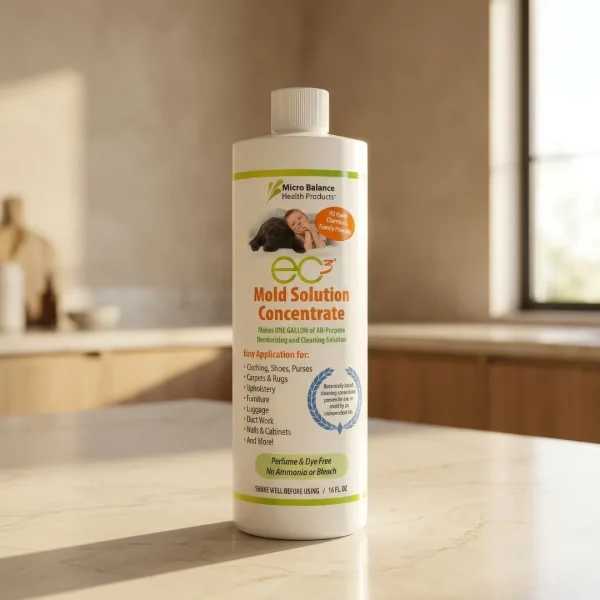
EC3 Mold Solution Concentrate
Micro Balance EC3 Mold Solution Concentrate is a natural botanical that removes mold spores, bacteria,...
-
$33.00 Shop Now -
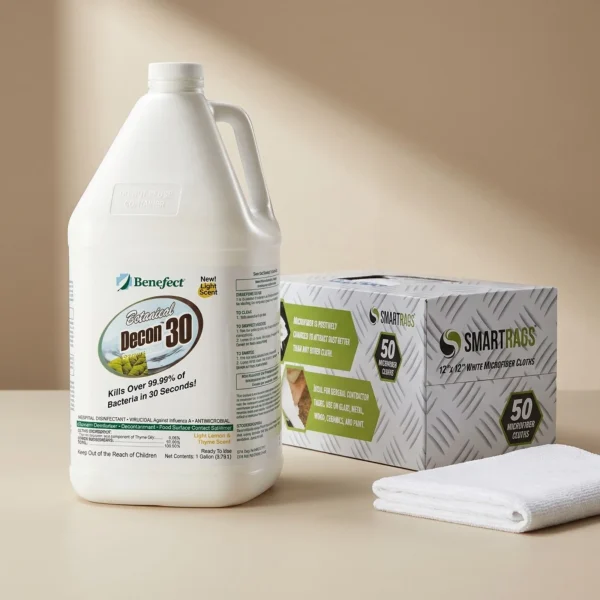
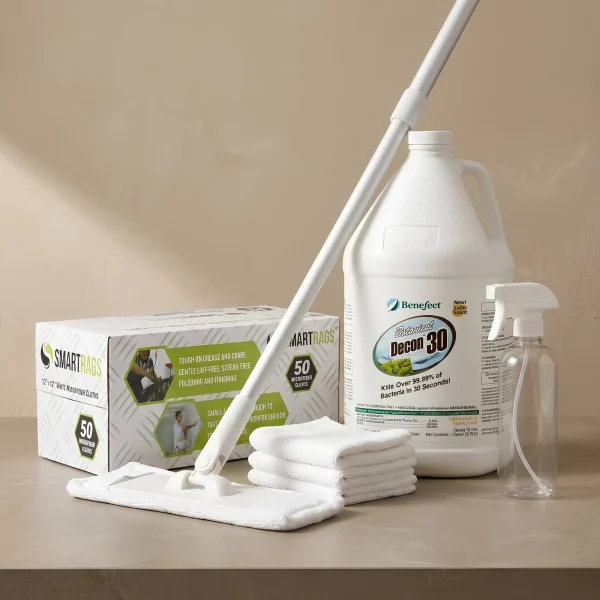
HomeCleanse Cleaning
Take your cleaning to the next level buying all the tools we use to keep...
-
Price range: $299.00 through $549.00 Shop Now -
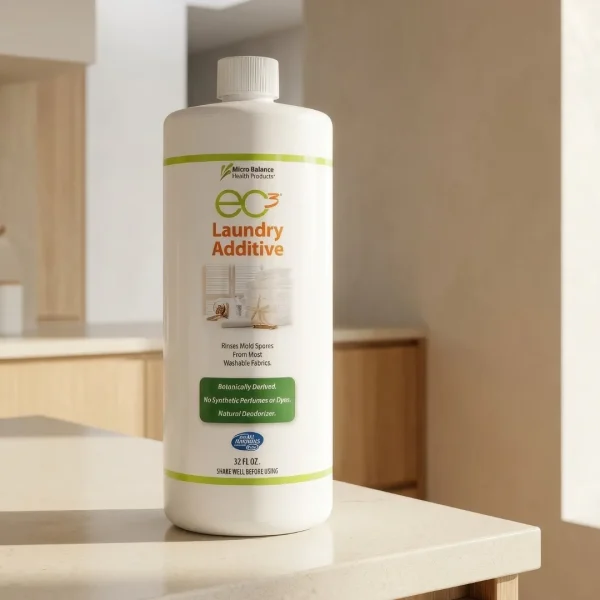
EC3 Laundry Additive
Add EC3 to every rinse cycle to rinse away mold, bacteria and musty odors from...
-
$23.00 Shop Now
Your Home Functions Like an Ecosystem
One of the biggest misconceptions about indoor environments is the idea that issues stay isolated to one room, one surface, or one event.
In reality, homes are dynamic systems.
Air continuously moves through:
Hallways
HVAC systems
Attics
Crawlspaces
Furnishings
Dust reservoirs
Soft materials
Ventilation pathways
Particles and compounds can accumulate over time, settle into dust, and later become re-aerosolized through movement and airflow.
That’s why creating a healthier indoor environment often requires looking at the bigger picture rather than focusing on only one visible issue.
Healthy Homes Start With Everyday Choices
Creating a healthier indoor environment is not about perfection.
It’s about understanding that the products, particles, airflow patterns, humidity levels, and materials inside a home all interact together as part of a larger system.
Many people focus only on what they can visibly see in a space. But indoor air quality is often shaped by the things that quietly accumulate over time, including dust, airborne particles, moisture, VOCs, fragrances, and chemical residues.
Even everyday cleaning habits can influence the air people breathe on a daily basis.
That does not mean you need to fear every product in your home! Instead, it highlights the importance of making more informed environmental choices whenever possible.
Improving ventilation, reducing unnecessary chemical exposure, choosing lower-VOC or botanical-based products, maintaining proper filtration, and supporting overall home cleanliness can all contribute to a healthier indoor environment over time.
Because ultimately, indoor air quality isn’t always about one single issue.
It’s about the overall ecosystem people live in every day and the

Frequently Asked Questions
Can cleaning products cause headaches?
Yes, studies show that some individuals report headaches after exposure to strong fragrances, VOCs, or heavily scented cleaning products, particularly in poorly ventilated spaces.
Are scented cleaners bad for indoor air quality?
Chemical-laden scented products contribute additional airborne fragrance compounds to the indoor environment. Sensitivity varies from person to person.
What are VOCs in cleaning products?
VOCs, or volatile organic compounds, are chemicals that can evaporate into the air during or after product use.
Can cleaning chemicals stay in the air after cleaning?
Yes. Depending on ventilation, airflow, and the products used, some compounds may linger in the indoor environment after cleaning is complete.
How can I clean my home without negatively affecting indoor air quality?
Improving ventilation, reducing heavy fragrance use, using lower-VOC products, and maintaining proper filtration may help support healthier indoor air.
Is indoor air quality only affected by mold?
No. Indoor air quality can also be influenced by chemicals, dust, humidity, airflow, combustion byproducts, outdoor pollutants, and cleaning products.
Curious About More products
A member of our team is here to help! Click on “Get Started ➤” below to book a free consultation with a member of the HOMECLEANSE team. We have a few quick questions that will help us put together a roadmap to solve or prevent all of your mold problems.
Two minutes of your time could lead to better health for you and your family.
Must-Have Indoor Air Quality Tools
-
EC3 Laundry Additive
Add EC3 to every rinse cycle to rinse away mold, bacteria and musty odors from...
-
$23.00 Shop Now -
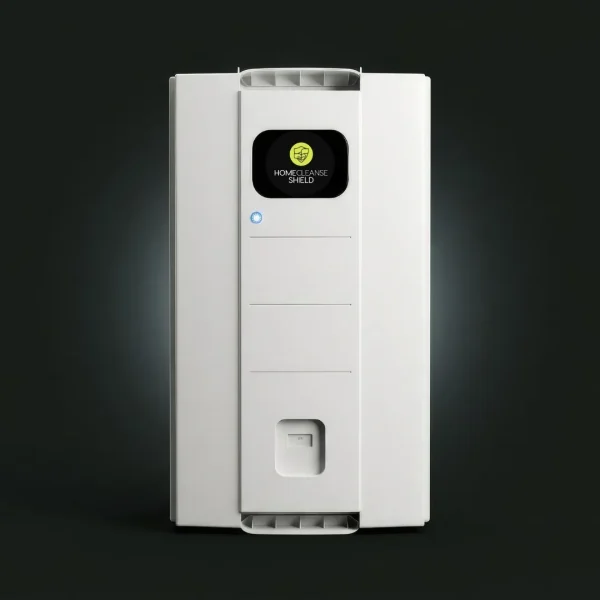
HomeCleanse Shield
Turn your HVAC into the healthiest feature of your home.
-
$2,495.00 Shop Now -
HomeCleanse Cleaning
Take your cleaning to the next level buying all the tools we use to keep...
-
Price range: $299.00 through $549.00 Shop Now -
Mold & Bacteria Contents Cleaning
Remove harmful pollutants that accumulate in the dust of your home. (Options available for renters...
-
Price range: $99.00 through $349.00 Shop Now -
EC3 Mold Solution Concentrate
Micro Balance EC3 Mold Solution Concentrate is a natural botanical that removes mold spores, bacteria,...
-
$33.00 Shop Now -
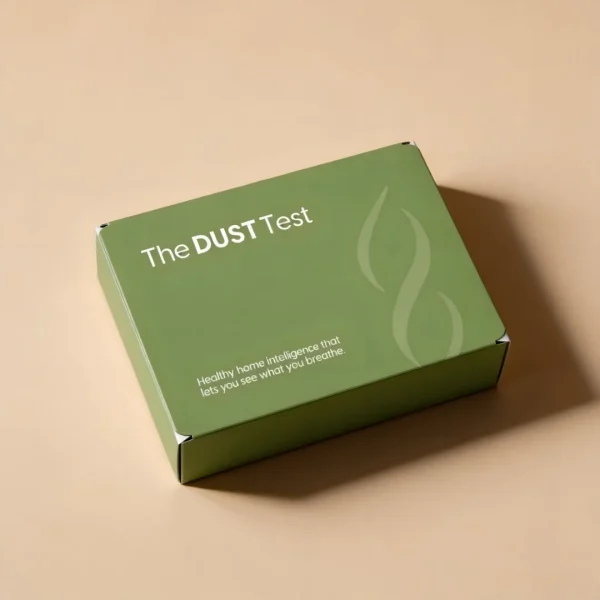
The Dust Test
Optimizing Air Quality starts with finding what’s not optimal. *Detects 36 different species of mold...
-
$299.00 Shop Now -
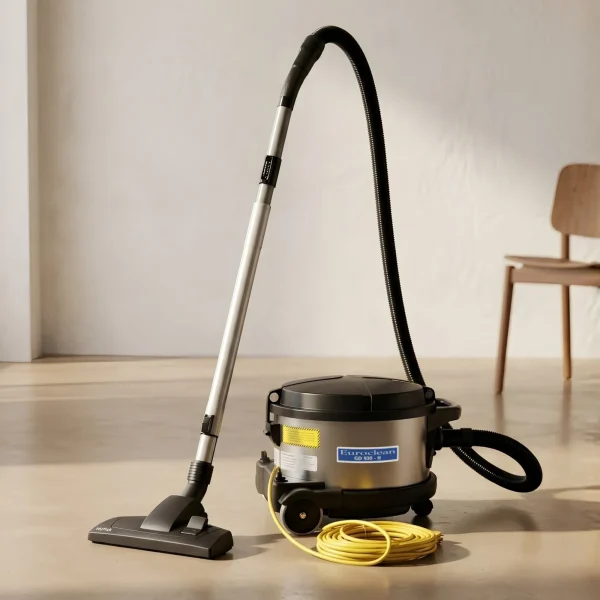
EuroClean 4 Gallon Hepa Vacuum
The Euroclean GD930HSP is a 4 Gallon Dry HEPA Vacuum that meets the EPA's standards...
-
$849.00 Shop Now