
Mold Resources
Windows are one of the most-loved features of any home. They let in sunlight, give pets a perfect view of the outside world, and brighten up rooms in a way that makes a house feel alive. But when moisture sneaks in or installation isn’t done properly, you may end up facing a common household problem: mold around windows.
While mold on windowsills is the most obvious sign, growth can also occur inside walls if moisture bypasses barriers during construction or through everyday wear and tear. Left unchecked, this issue can harm your home’s structure, increase repair costs, and, most importantly, impact your health.
Why Does Mold Grow Around Windows?
Mold is a hardy fungus that thrives when two basic elements are present: food and moisture. Windows provide plenty of organic material, like wood, dust, or paint particles, for food. Add in humidity, condensation, or water intrusion, and you have the perfect recipe for mold around windows.
Common causes include:
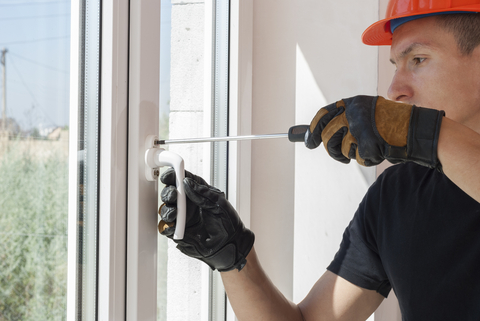
Improper installation: Gaps or missing vapor barriers allow water to seep inside walls.
- Condensation buildup: Warm indoor air meeting cold glass often results in moisture pooling on sills.
- Cracked caulking or seals: Even a small gap can let rainwater sneak in.
- High indoor humidity: Levels above 50% create an environment where mold spores can activate within 24–48 hours.
Why Mold Around Windows Matters for Your Health
Mold exposure is not just an eyesore issue. The microscopic spores and toxins released by colonies can become airborne, entering your body through inhalation or absorption. Once inside, your immune system recognizes them as foreign invaders and triggers inflammation.
Depending on genetics, immune function, and exposure levels, symptoms may include:
- Sinus congestion and headaches
- Fatigue and brain fog
- Mood swings or anxiety
- Skin rashes
- Digestive issues
- Chronic respiratory problems
Some individuals develop severe, long-term conditions like Chronic Inflammatory Response Syndrome (CIRS). Because reactions vary so widely, it’s important to take any signs of mold around windows seriously.
How to Prevent Mold Around Windows
The best strategy is prevention. Here are steps homeowners can take to reduce risk:
1. Ensure proper installation
- A moisture or vapor barrier should be applied to the rough opening.
- A window pan and proper caulking must be used to direct water outside.
- Layers of protection (such as butyl rubber membranes) help seal against leaks
2. Control indoor humidity
- Keep levels between 35–50% using a dehumidifier.
- Turn on exhaust fans while cooking or showering.
3. Maintain windows regularly
- Reseal caulking if cracks develop.
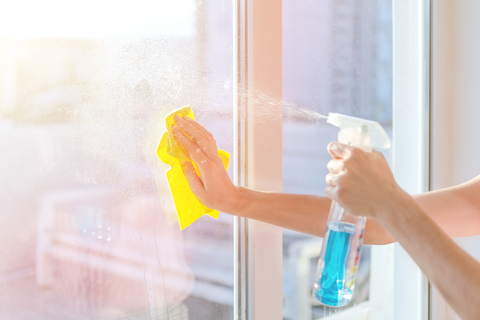
- Wipe up condensation daily.
- Clean sills with a HEPA vacuum and botanical cleaner to remove spores.
4. Stay alert to warning signs
- Peeling paint, drafts, or fog between panes can all signal improper installation.
How to Get Rid of Mold Around Windows
If you’ve spotted mold growth, first determine if it’s a small surface issue or a larger contamination inside the wall.
For small, visible growth, check out this article for a step-by-step process for eliminating mold on wood, as most windowsills are made of this material.
For recurring or widespread issues:
Call a qualified mold inspector. They can test for hidden contamination, check air quality, and create a remediation plan if needed.
Pro tip: Avoid bleach—it doesn’t penetrate porous surfaces and can worsen the problem.

How to Know If Mold Around Windows Is Hidden
Not all mold growth is visible. Watch for these clues:
- Musty odors: Microbial gases often smell earthy or damp.
- Persistent symptoms: If fatigue, coughing, or sinus issues flare up when near the window, contamination may be present.
- Discoloration or bubbling paint: Signs that moisture is trapped behind the surface.
If any of these occur, schedule a professional inspection right away.
Keep Your Home Bright—Without Mold Around Windows
Windows should bring light and joy into your home, not health hazards. By understanding how mold around windows develops and taking steps to prevent it, you can ensure that these features stay clean, functional, and safe.
Awareness and proactive care are key. The more we know about indoor contaminants, the better equipped we are to create homes that support—not sabotage—our health.
Want more tips on keeping your home safe from hidden contamination? Schedule a free consultation with the HomeCleanse Care Team