
Mold Resources
Most of us don’t give much thought to what’s happening beneath the kitchen or bathroom sink. Out of sight, out of mind… until an odd smell, strange stains, or a wave of symptoms hints that something is wrong. That’s why one of the most common, yet often overlooked, problems in homes is mold under the sink.
This type of contamination isn’t just about an unsightly black patch or musty odor. Mold thrives in undisturbed, damp areas, and once it takes hold, it can impact both your home and your health. Let’s break down why mold shows up under sinks, what it means for your wellbeing, and the safest way to deal with it.
How Mold Grows
Mold is a type of fungus that reproduces through microscopic spores. These spores are always floating around in the air—indoors and out. For them to grow, they need three main things:
- Moisture (from leaks, condensation, or high humidity)
- Organic material (like wood, particleboard, or even dust buildup)
- Time (it only takes about 24-48 hours for some species to start growing)
When these conditions align, spores can settle and grow into colonies that spread quickly. Under-sink areas are especially vulnerable because they’re often dark, enclosed, and prone to small plumbing leaks that go unnoticed for some time.
Why Mold Under the Sink Happens
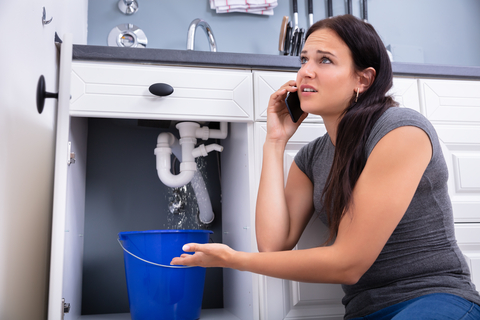
The space beneath sinks is a mold hotspot for a few reasons:
- Leaky plumbing: Even tiny drips from a faucet connection or pipe can provide enough moisture for mold.
- Condensation: Warm water pipes running through a cool cabinet can create condensation on surfaces.
- Trapped humidity: With little airflow, dampness lingers in enclosed sink cabinets.
- Organic surfaces: Particleboard, wood, skin cells, and more all act like food for mold.
Over time, this combination makes the perfect recipe for mold under the sink.
The Health Impact of Mold Under the Sink
Just because mold is tucked away behind closed cabinet doors doesn’t mean it’s harmless. Mold releases microscopic spores, fragments, and chemicals that make their way into the air you breathe. One of the biggest concerns is mycotoxins.
These toxins are produced by certain mold species. These aren’t just irritants. They’re toxic compounds that can interfere with the immune, neurological, and respiratory systems.
Another concern is bacterial growth. The same conditions that encourage mold growth also allow bacteria to flourish. Bacteria also release microscopic particles into your air, compounding health risks and making the space even more hazardous.
Multisystemic Immune Response

When these toxins and microbial particles enter the body, they don’t just pass through undisturbed. The immune system recognizes them as threats, triggering inflammation that can spread throughout the body. This is known as a multisystemic immune response, meaning symptoms aren’t limited to one area.
They can affect multiple systems, leading to:
- Persistent fatigue and brain fog
- Respiratory problems like wheezing, coughing, or shortness of breath
- Digestive issues and food sensitivities
- Joint and muscle pain
- Skin rashes or unexplained irritation
- Sleep disturbances
- Neurological issues like memory loss, dizziness, or difficulty concentrating
For people with preexisting conditions, such as asthma, autoimmune disorders, or chronic illnesses, exposure to mold and bacteria under the sink can exacerbate their symptoms. Mold-related inflammation can interact with underlying conditions, worsening flare-ups, prolonging recovery times, and complicating treatments.
Children, pets, and the immunocompromised are particularly vulnerable. However, anyone can be impacted by poor indoor air quality caused by a situation like mold under the sink.
How to Deal With Mold Under Sink
Our professional recommendation? Call in experts.
Here’s why:
- The entire cabinet unit often needs to be removed and replaced.
- There’s no way to know without proper inspection if the mold has spread to the flooring or wall cavities.
- DIY cleaning may not address the root cause or all of the contamination, leaving a health hazard behind.
If you do decide to try handling it yourself, the rule of thumb is:
- Replace porous items like particleboard, drywall, or insulation.
- Treat non-porous surfaces (like metal or tile) using proper remediation protocols.
- Resolve the source that led to the growth
- Deep clean the surrounding area to eliminate byproducts released
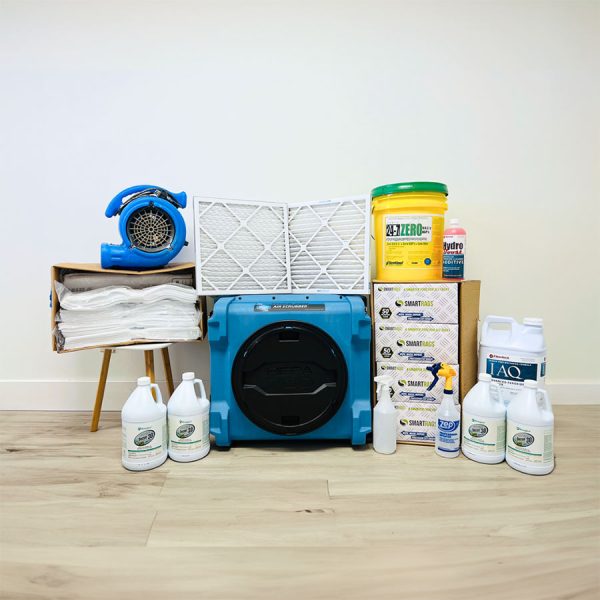
For homeowners interested in exploring a safe DIY approach, a great place to start is with the HomeCleanse DIY Kit. This kit is packed with the tools you’ll need to successfully remediate mold, as well as detailed instructions on how to do so properly.
How to Prevent Mold Under the Sink
The best defense is prevention. A few habits can go a long way toward avoiding this problem in the future.
- Check for leaks regularly: Look for drips, damp spots, or water stains under the sink.
- Use a moisture sensor: Small, inexpensive alarms can alert you to leaks before they cause damage.
- Keep it clean: Wipe up spills and store items in plastic bins instead of cardboard boxes.
- Improve airflow: Leave cabinet doors open occasionally to let moisture escape, especially after using hot water.
- Maintain humidity: Keep indoor humidity between 35–50% using a dehumidifier if needed.
- Use undersink mats: This will protect the area and give you time to discover the problem before it becomes a much larger issue.
By staying proactive, you can reduce the risk of mold growth and protect both your home and your health.

Safeguarding Your Cabinets
Discovering mold under the sink can feel overwhelming, but you don’t have to handle it alone. Whether you’re unsure about the scope of contamination or want a step-by-step plan of action, our team is here to help.
Book a free consultation with the HomeCleanse Care Team today to ensure you have the right information and support to create a safe, healthy home environment.