
Mold Resources
What Is Red Mold?
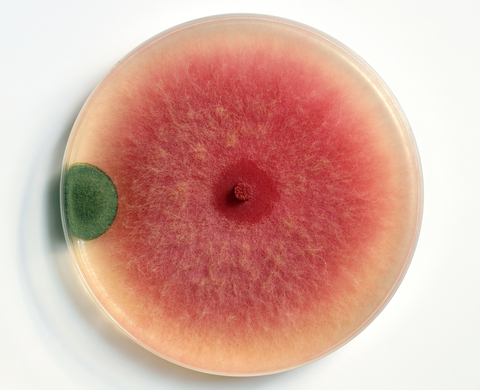
Mold comes in many shapes, sizes, and colors. Most people recognize mold as black, white, or green, but red mold is another type of growth you may see in your home. The important thing to know is that “red mold” is not a single species. Instead, several molds can appear red during certain stages of their lifecycle.
Some of the most common molds that may look reddish include:
- Aspergillus
- Neurospora
- Fusarium
- Serpula lacrymans (often called “house-eating mold” because of its role in wood rot)
There’s also what many people call “pink mold, ”which is a growth that ranges from reddish-brown to pink. Despite the name, this is often not a mold at all. This growth is often Serratia marcescens, which is actually a bacterium that thrives in damp places like showers, toilets, and bathtubs.
What Does Red Mold Look Like?
This particular type of mold can look slightly different depending on where it’s growing and the species involved. Typical features include:
- Color: Shades range from bright red to pink, orange, or reddish-brown. The color often shifts over time as the mold matures.
- Texture: Red mold may look fuzzy, powdery, slimy, or velvety. Moisture levels influence whether it appears dry and dusty or sticky and wet.
- Pattern: It often starts as small reddish dots or spots that spread into larger patches. Sometimes it appears alongside black, green, or white molds, forming a multicolored growth.
What Causes Red Mold?
Like all molds, this type thrives in moisture. It grows most commonly in areas with:
- High humidity (bathrooms, kitchens, basements)
- Water damage or leaks
- Poor ventilation
- Surfaces that stay damp, like tile grout, wood, or drywall
If there’s excess moisture, there’s a chance mold—including red mold—will develop.
Is Red Mold Dangerous?
Any type of mold growth indoors can affect indoor air quality. Molds and bacteria release tiny particles into the air, including spores, fragments, and sometimes toxins. Thanks to their small size, these particles can be inhaled, triggering an immune response and potential health issues.
Symptoms of mold exposure may include:
- Coughing, congestion, and runny nose
- Headaches and brain fog
- Watery eyes, rashes, or skin irritation
- Mood changes or sleep problems
- Fatigue and digestive issues
Reactions vary from person to person. Some individuals may have no noticeable symptoms, while others may develop chronic health problems. That’s why all visible mold—including red or pink mold—should be treated as a potential health risk.
How to Get Rid of Red Mold
The steps for addressing red mold are the same as for any indoor mold problem:
- Fix the source of moisture. Repair leaks, reduce humidity, and correct ventilation issues.
- Follow proper remediation protocols. Use protective equipment and containment methods to avoid spreading particles.
- Remove the growth completely. That includes the visible mold, its roots, and even dead particles that can still trigger reactions.
- Eliminate contamination. Mycotoxins, bacteria, and other microbial byproducts should also be addressed.
- Clean the entire space. A thorough cleaning ensures any particles released into the room are also removed.
Professional remediation is best for widespread contamination, water damage, or if anyone in the home is experiencing health symptoms.
Frequently Asked Questions About Red Mold
Is red mold dangerous to touch?
Yes. Direct contact can cause skin irritation or health reactions. Because mold particles are microscopic, even disturbing a small patch can release spores into the air. It’s best to avoid touching mold and let trained professionals handle removal.
Can red mold grow on food?
Yes. Some molds that appear red, such as Neurospora, can grow on bread, fruits, and other foods. Moldy food should never be eaten, as it can contain contaminants that may cause digestive problems or more serious health issues.
How fast does red mold spread?
Red mold can begin growing within 24–48 hours of a moisture problem. Once established, it will start lowering the indoor air quality and degrading the materials it's growing on.
Where is red mold most likely to grow?
It is commonly found in:
- Bathrooms (showers, sinks, toilets)
- Kitchens (under sinks, on damp wood, or near leaks)
- Basements (walls, concrete, or stored items)
- Around water damage (ceilings, drywall, wood beams)
Is red mold the same as black mold?
No. "Black mold" usually refers to Stachybotrys chartarum, a species that grows in very wet conditions. Red mold is a color variation of other mold species. Both should be treated as potential health hazards.
Can I clean red mold myself?
Small areas (less than 10 square feet) may be cleaned with proper precautions, but DIY methods make sure to address the roots, particles, and potential toxins. Also, ensure that the issue that led to the growth is addressed. For larger growth or recurring mold, professional remediation is the safest option.
Key Takeaway
Red mold isn’t a unique species. It’s simply a term for mold that appears reddish during growth. Whether it’s red, black, green, or white, mold indoors is a sign of a moisture problem and should be addressed quickly. Proper remediation restores indoor air quality and helps protect your health.
Still Have Questions?
A member of our team is here to help! Click on “Get Started ➤” below to book a consultation with a member of the HOMECLEANSE team. We have a few quick questions that will help us put together a roadmap to solve or prevent all of your mold problems.
Two minutes of your time could lead to better health for you and your family.
Showing all 4 results
-
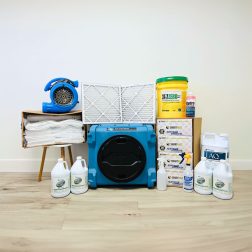
HomeCleanse DIY
All the equipment and materials we use to remediate your home, plus consultation and support...
-
Shop Now -
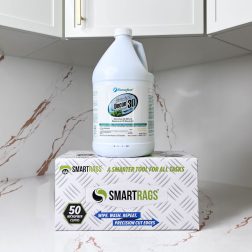
Mold & Bacteria Contents Cleaning
Remove harmful pollutants that accumulate in the dust of your home. (Options available for renters...
-
Price range: $99.00 through $349.00 Shop Now -
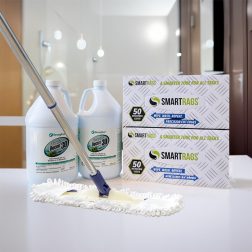
HomeCleanse Cleaning
Take your cleaning to the next level buying all the tools we use to keep...
-
Price range: $299.00 through $549.00 Shop Now -
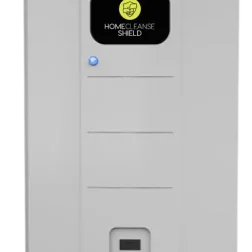
HomeCleanse Shield
Turn your HVAC into the healthiest feature of your home.
-
$2,495.00 Shop Now