
Before You Go
Get Your FREE Home Cleaning Guide
Simple action items on how to make your home safer- today!

Yes, air sampling can miss hidden mold. A mold air sample collects particles that are floating through the air in a specific place during a specific period of time. It does not scan the entire home for mold.
That distinction is important.
Mold can grow behind walls, underneath flooring, inside HVAC systems, in attics, crawlspaces, and other areas that may have limited airflow. Mold spores and fragments can also settle into dust instead of remaining airborne. Even normal activities such as walking through a room, vacuuming, opening a door, or turning on the HVAC system can change what is floating through the air from one moment to the next.
So, a normal air sample does not necessarily mean there is no mold elsewhere in the home.
For individuals trying to determine whether their home may have a mold problem, air sampling should typically not be viewed as a standalone first step or a simple “mold or no mold” test. Air sampling can be a useful investigative tool when a qualified professional uses it strategically alongside moisture readings, visual observations, building history, HVAC evaluation, and other information to understand the home as a whole.
The goal is not simply to collect a sample.
The goal is to find out what is happening in the home and, if a problem exists, where it is coming from.
With that in mind, let’s dive in.

Before talking about the limitations of air sampling, it helps to understand what the test actually does.
During mold air sampling, a device pulls air from the surrounding area and collects airborne particles for laboratory analysis.
That means the sample can only collect particles that:
are airborne,
are in the area being sampled,
and pass through the sampling device while it is running.
It cannot see through walls. It cannot examine the attic from the bedroom. It cannot tell you everything that has circulated through the house over the previous several months.
It is a sample of the air at that place and time.
Imagine putting a bucket outside for five minutes during a storm.
The water collected in the bucket can tell you something about the rain that fell in that location during those five minutes. But it cannot tell you how much rain fell two hours earlier, whether another neighborhood flooded, or whether water is leaking into your basement.
The measurement isn’t necessarily wrong. It’s simply measuring something very specific.
Air sampling works the same way.
This is also why interpreting mold air samples requires context. There are currently no federal standards establishing a “safe” or “unsafe” concentration of airborne mold spores in a home. A number on a laboratory report therefore cannot simply be compared with a universal federal cutoff to determine whether a home passes or fails.
This is where mold testing becomes confusing.
If mold is growing somewhere in a house, it may seem logical to assume that an air test should find it.
But that assumes the mold particles are actually reaching the air being sampled.
They may not be.
Here are a few very different ways that can happen.
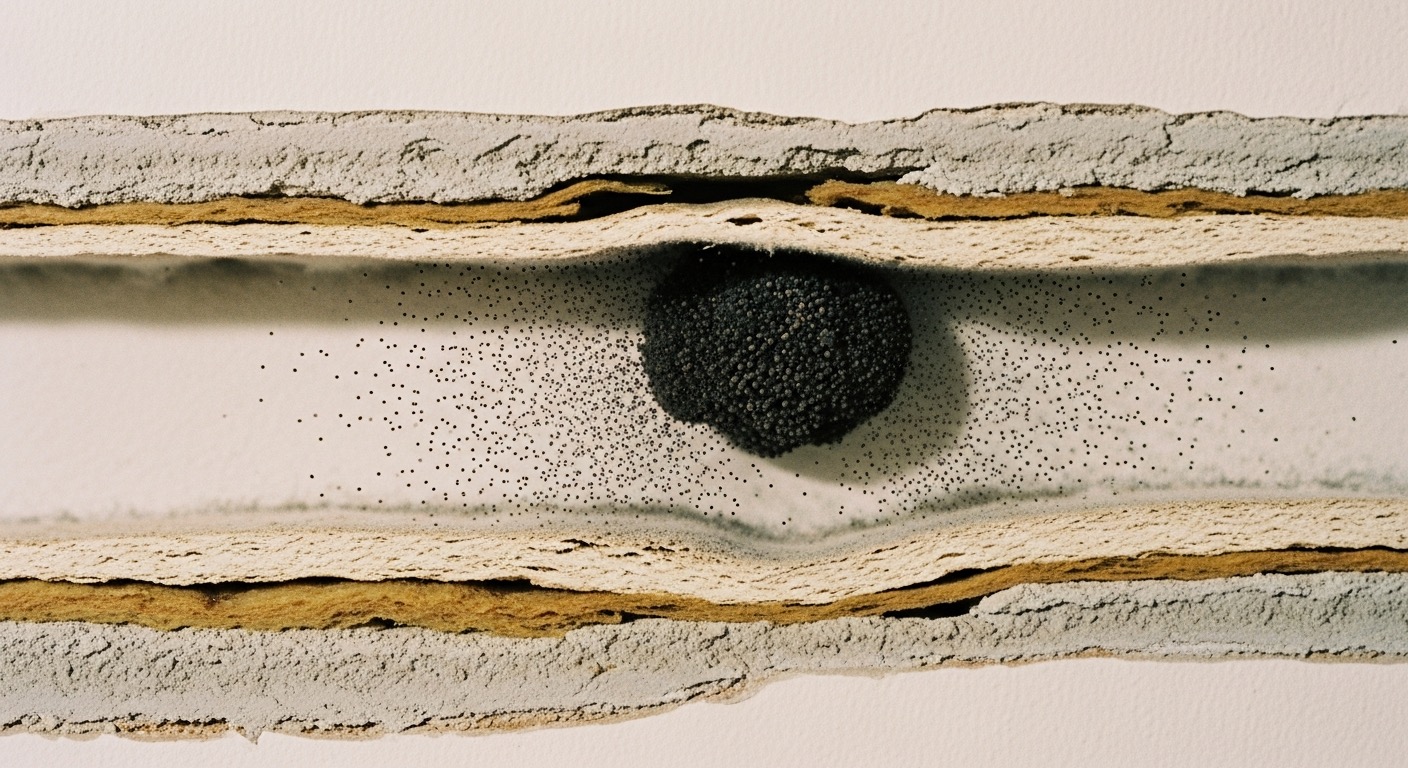
Imagine a slow plumbing leak behind the vanity in an upstairs bathroom.
Water has been reaching the back of the drywall for months. Mold begins growing inside the wall cavity, but the painted side of the wall still looks completely normal.
Now imagine an air sample being collected right there in the bathroom.
You might expect the sample to detect the mold because it’s only a few feet away. But the mold is growing inside an enclosed wall cavity.
If that cavity is relatively sealed and the mold is undisturbed, enough spores or fragments may not be moving through the wall and into the bathroom air during the sampling period to clearly reflect what’s happening behind it.
The air sample can accurately measure the air in the bathroom while still missing important information about what’s growing inside the wall.
That’s an important distinction.
The test isn’t looking through the drywall. It can only capture particles that actually make their way into the air being sampled.
Behind drywall
Under flooring
Behind cabinets
Around plumbing
Inside attics
Inside crawlspaces
Within insulation
Inside or around HVAC components
Around areas affected by previous leaks or water intrusion
If particles from a hidden source are not entering the sampled air in meaningful quantities, the air sample may not fully reflect the problem.
Mold spores and fragments do not remain suspended in the air forever. Eventually, particles can settle.
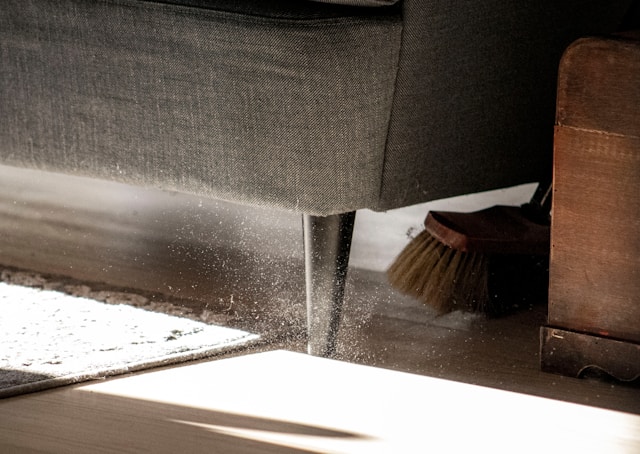
Think about what happens when sunlight streams through a window and suddenly you can see dust floating through the room.
That dust didn’t suddenly appear because the sun came out.
Some particles were already resting on surfaces. Air movement and activity caused them to become airborne again.
Mold particles can behave similarly.
Carpet
Furniture
Bedding
Upholstery
HVAC systems
Shelving
Stored belongings
Household dust
Once particles have settled, an air sampling device cannot collect them unless they become airborne again and reach the device.
That’s one reason a short air sample and accumulated household dust can tell us different things about the same environment.

Your house isn’t one giant container of perfectly mixed air.
Different rooms and building cavities have different airflow patterns.
Close a bedroom door and that room can behave differently from the hallway. A crawlspace may have very little air exchange with a second-floor bedroom. An attic can have an entirely different set of environmental conditions from the kitchen underneath it.
Your HVAC system can connect areas of the house, but even that airflow changes depending on when and how the system operates.
So imagine taking one air sample in the living room.
Behind the shower wall upstairs
Under the kitchen flooring
Inside the crawlspace
Around a roof leak in the attic
Inside a wall cavity
Within an HVAC component
It’s a little like standing in your kitchen and trying to determine whether the upstairs bathroom has a leak without ever leaving the kitchen.
You can learn quite a bit about the kitchen.
You haven’t investigated the bathroom.
Here’s another reason air sampling can become confusing: the amount of material floating through your air isn’t constant.
Imagine taking an air sample in your bedroom first thing in the morning.
The door has been closed all night. Nobody has been walking around. The HVAC hasn’t run recently. The room is relatively still.
Changes the bedding
Vacuums the carpet
Walks around the room
Opens the bedroom door
Moves a piece of furniture
Turns on the HVAC system
Those activities can disturb settled particles and change what is airborne.
Same bedroom. Same house. Potentially different sample.
The environment itself didn’t necessarily change. What was floating through the air did.
Temperature, humidity, airflow, HVAC operation, outdoor conditions, activity levels, cleaning, and other factors can all affect what is airborne when a sample is collected.
That’s one reason short-duration air samples should be interpreted as part of a larger investigation rather than treated as a permanent description of the home.

This distinction is one of the most important things to understand about mold air testing.
Imagine that mold is growing behind a bathroom wall. An air sample is collected in the hallway and relatively few mold spores are captured.
It’s easy to conclude:
“The test missed the mold, so the test was wrong.”
But that isn’t necessarily what happened. The test most likely accurately measured what was present in the air that passed through the sampling device.
The larger problem occurs when we take that limited measurement and make a much bigger conclusion:
“The air sample was normal, so there cannot be mold anywhere in the house.”
Those are two very different statements.
A short air sample can provide information about the air that was sampled.
It cannot prove the absence of mold from every wall cavity, floor, ceiling, attic, crawlspace, HVAC component, or other area of the building.
That is why a normal result should not automatically overrule other evidence of a potential problem.
This is a common and understandably frustrating situation.
You keep smelling a musty odor.
There was a roof leak last year.
Someone in the home experiences chronic symptoms.
One room has recurring humidity problems.
Paint keeps bubbling in the same spot.
Flooring has started warping.
You’ve found unexplained staining.
You know part of the home has experienced water damage.
Those clues still matter. A normal air sample doesn’t erase the history of the building.
For example, imagine your washing machine leaked and soaked the flooring and wall behind it six months ago.
The visible water was cleaned up, but nobody checked whether moisture reached underneath the flooring or into the wall cavity.
Months later, an air sample in the laundry room comes back relatively normal.
The question shouldn’t immediately become: “Great, does that mean there’s definitely no mold?”
A better question is: "Was the area affected by the leak ever fully investigated and dried?”
Because mold investigations aren’t just about chasing spores.
They’re about understanding moisture.

Mold requires moisture to grow. That’s why a qualified mold investigation typically involves much more than looking for visible fuzzy growth or collecting air samples.
An investigator may look for evidence of current or previous moisture problems.
Imagine a roof leak. Water enters through a small opening in the roof. It reaches the attic, wets insulation, travels along framing, and eventually affects the back of the ceiling drywall.
You may not immediately see a brown water stain in the room below. But the building materials above you may already have been affected.
Or imagine a tiny supply-line leak behind a bathroom vanity. The front of the wall can look completely normal while the back of the drywall remains damp.
Where has water entered?
Where could condensation occur?
Where does plumbing run?
What areas have experienced leaks or flooding?
Which materials stayed wet?
Where could moisture have traveled?
What parts of the building are difficult to see?
These questions can provide clues that a standalone air sample cannot.
EPA guidance similarly emphasizes looking for moisture problems when assessing mold and notes that tools such as moisture meters and borescopes can help investigators evaluate areas where hidden mold may be present.
Air sampling can be useful when it is chosen for a specific reason and interpreted within the context of a broader investigation. This is where professional use of air sampling is very different from treating one sample as a DIY whole-home screening test.
Building and water-damage history
Visual observations
Moisture measurements
Humidity readings
HVAC conditions
Suspected source locations
Surface or material samples when appropriate
Dust analysis
Outdoor comparison samples when relevant
Other findings from the investigation
The investigator isn’t simply asking: “Did this test find mold?”
Where should samples be collected?
What areas should be compared?
What was the HVAC system doing?
What moisture conditions are present?
Does the sampling data make sense alongside the rest of the investigation?
Could another part of the building be contributing to the findings?
That context makes the data more useful.
In other words:
Air sampling can be a valuable piece of evidence. It just shouldn’t be mistaken for the entire investigation.
Air sampling and dust testing answer different questions.
An air sample asks: What’s floating through this air while I’m testing?
A dust sample asks: What has accumulated in the dust within this environment?
That difference matters because airborne particles eventually settle.
Household dust can act as a collection point for particles that have moved through the environment over a longer period of time.
Here’s an easy way to think about the difference:
Air Sampling | Dust Testing | |
Think of it as | A moment in time | Accumulation over time |
Measures | Particles airborne during sampling | Particles collected in settled dust |
Can help you understand | What’s circulating during the test | What has accumulated in the environment |
Potential limitation | May miss settled, hidden, or isolated contamination | Cannot tell you exactly where a source is located |
Finds the source? | Not necessarily | No |
Replaces an inspection? | No | No |
Neither method should be treated as a magic mold detector.
They’re different tools.
For a homeowner who wants a broader look at what has accumulated within the home, dust analysis can provide another type of environmental information without depending exclusively on what happens to be airborne during a short sampling window.
That’s why we suggest using The Dust Test as an initial screening tool to gather information about their indoor environment.
But there’s another important distinction:
A dust test can identify a reason to investigate. It cannot tell you where mold is growing.
If results indicate a potential mold concern, the next step is determining where that contamination may be coming from.
That’s where the investigation becomes critical.
This may be the easiest way to understand the entire mold-testing conversation.
Testing gives you data. Investigation gives that data context.
Suppose a dust analysis indicates elevated mold-related particles.
The test cannot point upstairs and say: “There’s mold behind the bathroom vanity.”
Instead, it gives you another clue and a foundation for taking further action.
A qualified mold inspector can then investigate the building to determine whether there is a source that could explain those findings.
Previous leaks and water events
Current moisture conditions
Plumbing
Roofing
Windows and exterior penetrations
Attics and crawlspaces
HVAC equipment and ducting
Areas with visible staining or damage
Materials with elevated moisture readings
Areas where hidden growth may be suspected
Additional targeted sampling may then be useful depending on what the investigator finds.
Notice the order.
The professional isn’t randomly testing every surface in the house and hoping one eventually reveals the answer.
They’re developing an understanding of the building and using appropriate tools to investigate specific questions.
That’s what turns testing results into actionable information.
Finding mold isn’t the finish line.
Where is it coming from?
How far does the contamination extend?
What caused the moisture problem?
What needs to be addressed to correct it properly?
If an investigation confirms mold contamination, remediation should address both the contamination and the conditions that allowed it to develop.
Simply cleaning visible mold without correcting the moisture source can allow the problem to return.
Depending on the situation, that may mean addressing a plumbing leak, roof issue, condensation problem, humidity problem, drainage issue, HVAC concern, or another source of moisture.
After remediation, post-test verification can help evaluate whether the work was completed successfully before the space returns to normal use.
A simple way to remember the process is:
Screen → Investigate → Locate → Remediate → Verify
Each step answers a different question.
When you’re worried about mold, it’s natural to want one test that gives you a definitive yes or no.
Unfortunately, buildings don’t always work that way.
Mold can grow in hidden locations. Particles can settle into dust. Airflow changes. HVAC systems cycle on and off. Moisture can travel behind building materials. Different areas of a home can behave very differently from one another.
An air sample can provide useful information about what’s airborne during a particular testing period.
A dust sample can provide information about particles that have accumulated within the environment.
A moisture meter can help identify materials that may be wet.
A visual inspection can uncover evidence of water damage or potential growth.
Building history can reveal where investigators should look more closely.
Each provides a different piece of information.
The goal is to put those pieces together.
So if an air sample comes back normal but something about your home still doesn’t make sense, don’t assume you have to ignore the other evidence.
Ask what the test actually measured. Ask what it could not measure.
Then determine what additional information you need to understand the home as a whole.
Because when you’re looking for hidden mold, some of the most important clues may not be floating through the air when the sampling device happens to be running.

Yes. A mold air sample only captures particles that are airborne in the sampled location during the testing period. Mold that is hidden, isolated, or not releasing many particles into the sampled air may not be fully reflected in the result.
Yes. A normal air sample does not prove that mold is absent from every area of a home. Mold may be growing behind building materials, underneath flooring, inside an attic or crawlspace, within an HVAC system, or elsewhere without releasing significant amounts of material into the sampled air.
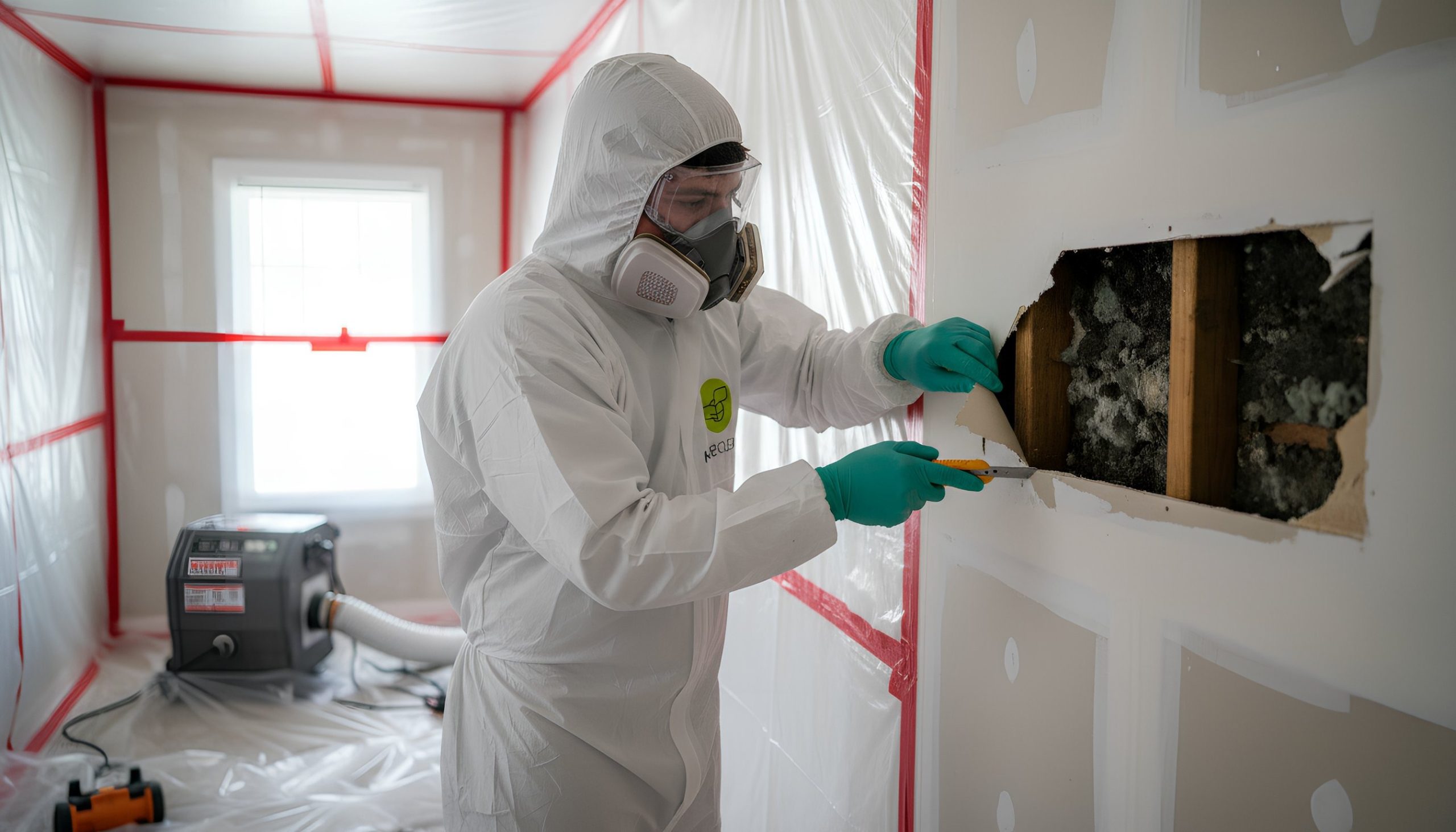
Sometimes an air sample may provide clues that warrant further investigation, but it cannot reliably determine whether mold is growing inside every wall cavity unless you drill a hole and test within that space.
Airborne particle levels can change as conditions change. HVAC operation, airflow, humidity, temperature, cleaning, walking, vacuuming, moving furniture, opening doors or windows, and disturbing dust can all influence what is airborne when the sample is collected.
A normal air sample tells you about the air that was sampled. It should not be interpreted as proof that every area of the home is free from mold or moisture problems. The result should be considered alongside the building’s history and other environmental findings.
Air sampling generally should not be treated as a standalone first step or a whole-home pass/fail test. Start by considering why mold is suspected, including leaks, water damage, odors, visible changes, humidity, and other building clues. Depending on the situation, environmental screening with The Dust Test or a professional inspection can provide more useful next steps.
Yes, it can be. When appropriately selected and interpreted, air sampling can provide useful information as one part of a larger mold investigation. Qualified professionals can determine where sampling may be useful and interpret the findings alongside moisture readings, building history, visual observations, HVAC conditions, and other evidence.
Neither test is universally better because they measure different things. Air sampling evaluates particles that are airborne during a specific testing period. Dust testing evaluates particles that have accumulated in settled dust over time. The appropriate method depends on what question you’re trying to answer. For initial answers about an environment, The Dust Test is the better option.
Yes, if visible mold is present, it’s important to bring in a qualified inspector. The priority is determining the extent of the problem, identifying and correcting the moisture source, and properly addressing the contamination.
If you have more questions, you can schedule a free call to speak with a HomeClease Wellness Guide about your unique situation and concerns.
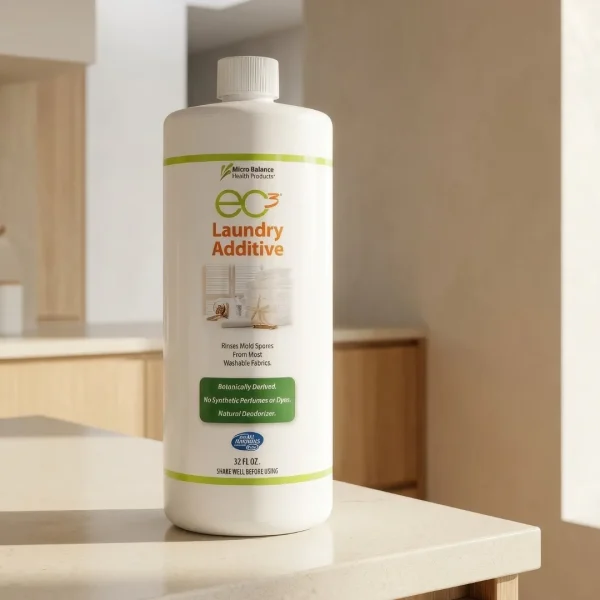
Add EC3 to every rinse cycle to rinse away mold, bacteria and musty odors from...
-
$23.00 Shop Now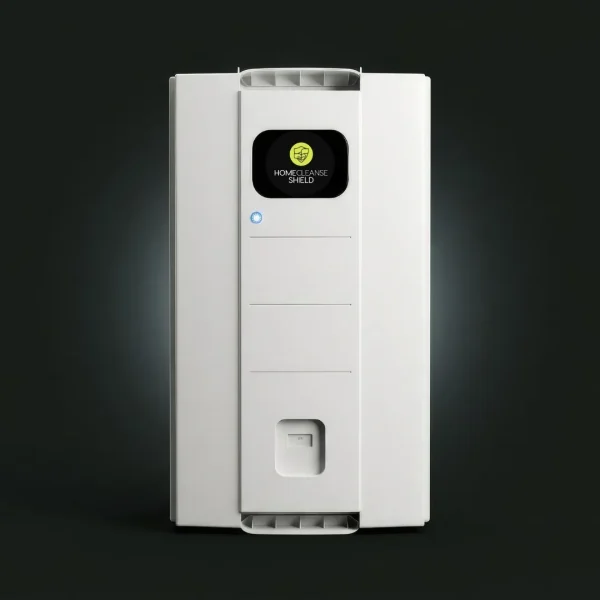
Turn your HVAC into the healthiest feature of your home.
-
$2,495.00 Shop Now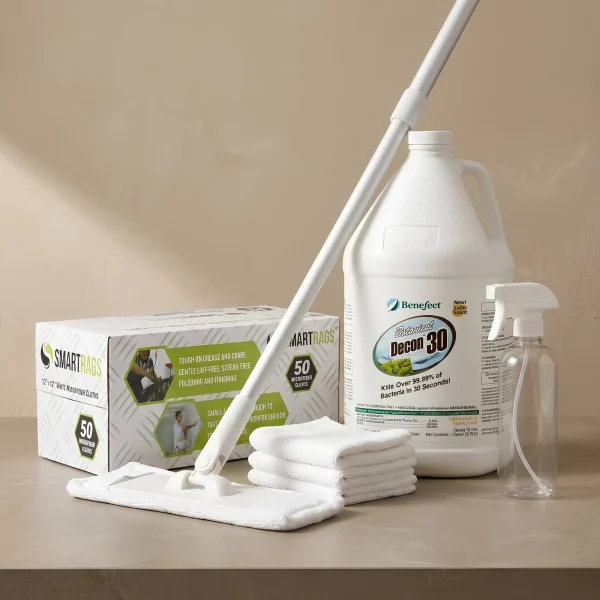
Take your cleaning to the next level buying all the tools we use to keep...
-
Price range: $299.00 through $549.00 Shop Now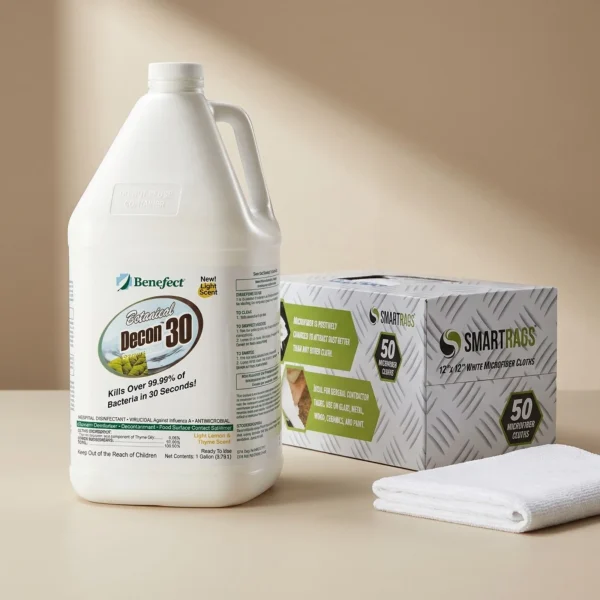
Remove harmful pollutants that accumulate in the dust of your home. (Options available for renters...
-
Price range: $99.00 through $349.00 Shop Now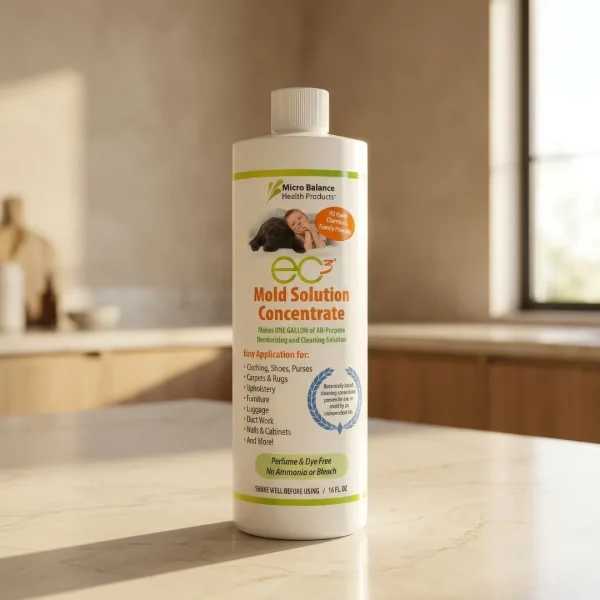
Micro Balance EC3 Mold Solution Concentrate is a natural botanical that removes mold spores, bacteria,...
-
$33.00 Shop Now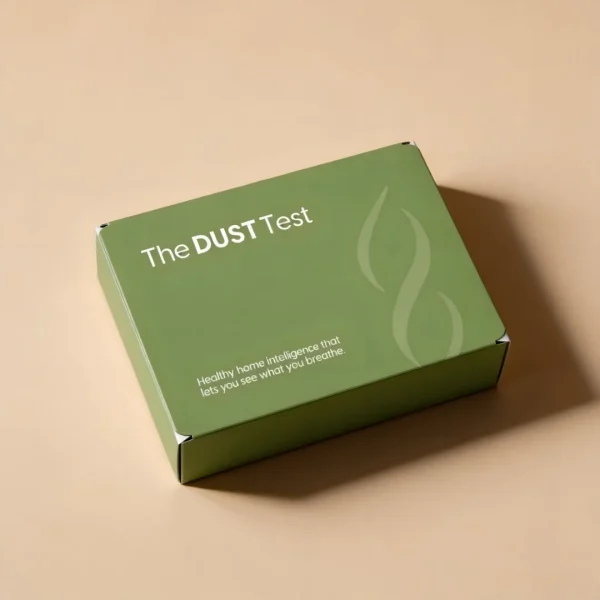
Optimizing Air Quality starts with finding what’s not optimal. *Detects 36 different species of mold...
-
$299.00 Shop Now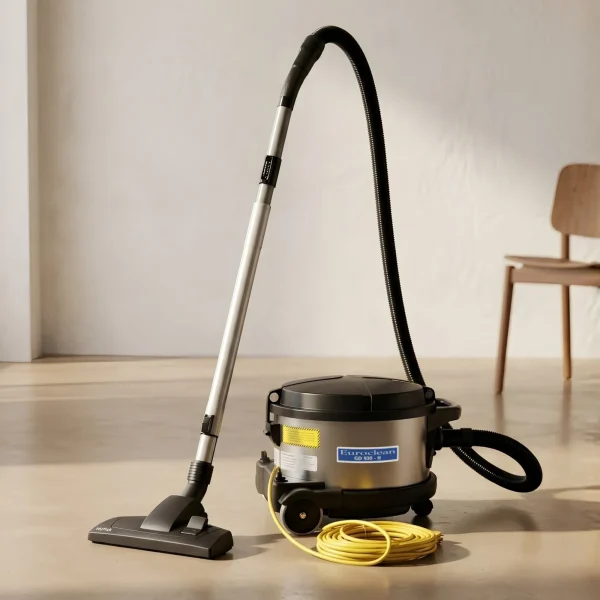
The Euroclean GD930HSP is a 4 Gallon Dry HEPA Vacuum that meets the EPA's standards...
-
$849.00 Shop Now