
Mold Resources
Direct Answer:
Mold remediation is considered successful when four key things have been addressed: the moisture source has been resolved, mold contamination has been physically removed, the surrounding environment has been thoroughly cleaned, and the results have been independently verified.
Because mold is not always visible and contamination can spread beyond the original source, confirming success usually requires more than just looking at the finished area. True resolution comes from a combination of proper remediation, detailed cleaning, and verification that the home has been restored to a stable condition.
Let’s dive into what to expect from a successful remediation.
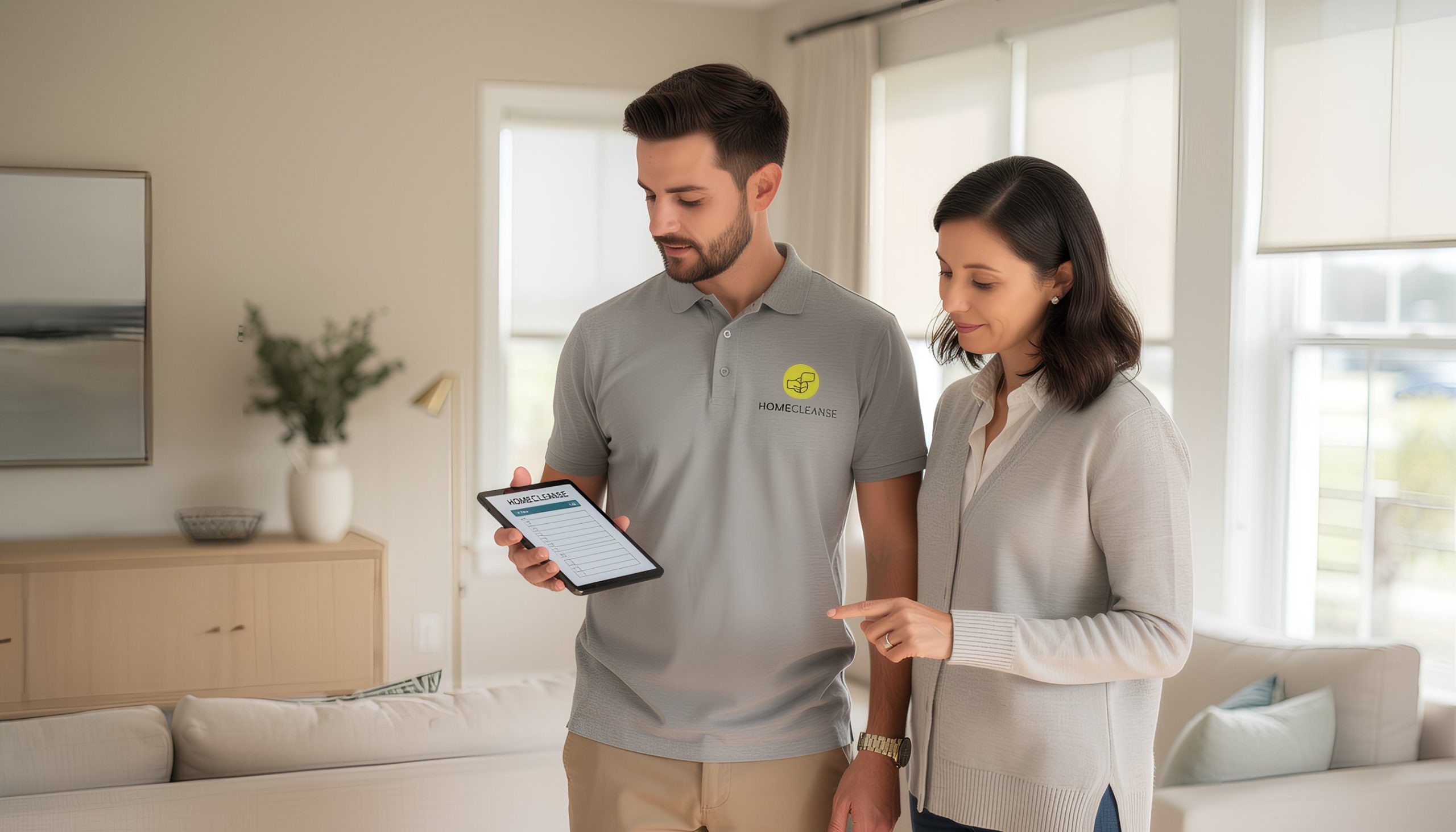
Why This Question Matters More Than You Think
After going through mold remediation, most people are left wondering one simple thing: “Did it actually work?”
That question often comes after weeks or months of frustration, symptoms, and uncertainty. There’s also a real investment of time, energy, and money. So when the work is done, it’s completely natural to expect clarity and relief.
But sometimes, the answer isn’t immediately obvious.
A home can look clean and finished, yet still feel slightly off. Maybe the air doesn’t feel the same, or symptoms haven’t improved the way you expected. That disconnect can make it hard to trust the outcome.
Understanding what actually defines successful remediation helps take the guesswork out of that feeling.
What “Successful” Remediation Really Means
Successful remediation isn’t just about removing visible mold. It’s about restoring the home to a stable, healthy indoor environment where mold is no longer actively growing, and contamination has been properly addressed.
At a foundational level, industry guidance like the ANSI/IICRC S520 outlines the key steps:
identifying and correcting the moisture source
containing affected areas
physically removing contamination
cleaning impacted materials
verifying the results
These are the baseline principles.
Where outcomes start to differ is in how thoroughly each of these steps is carried out. If even one piece is incomplete, the environment may not fully recover the way you expect.
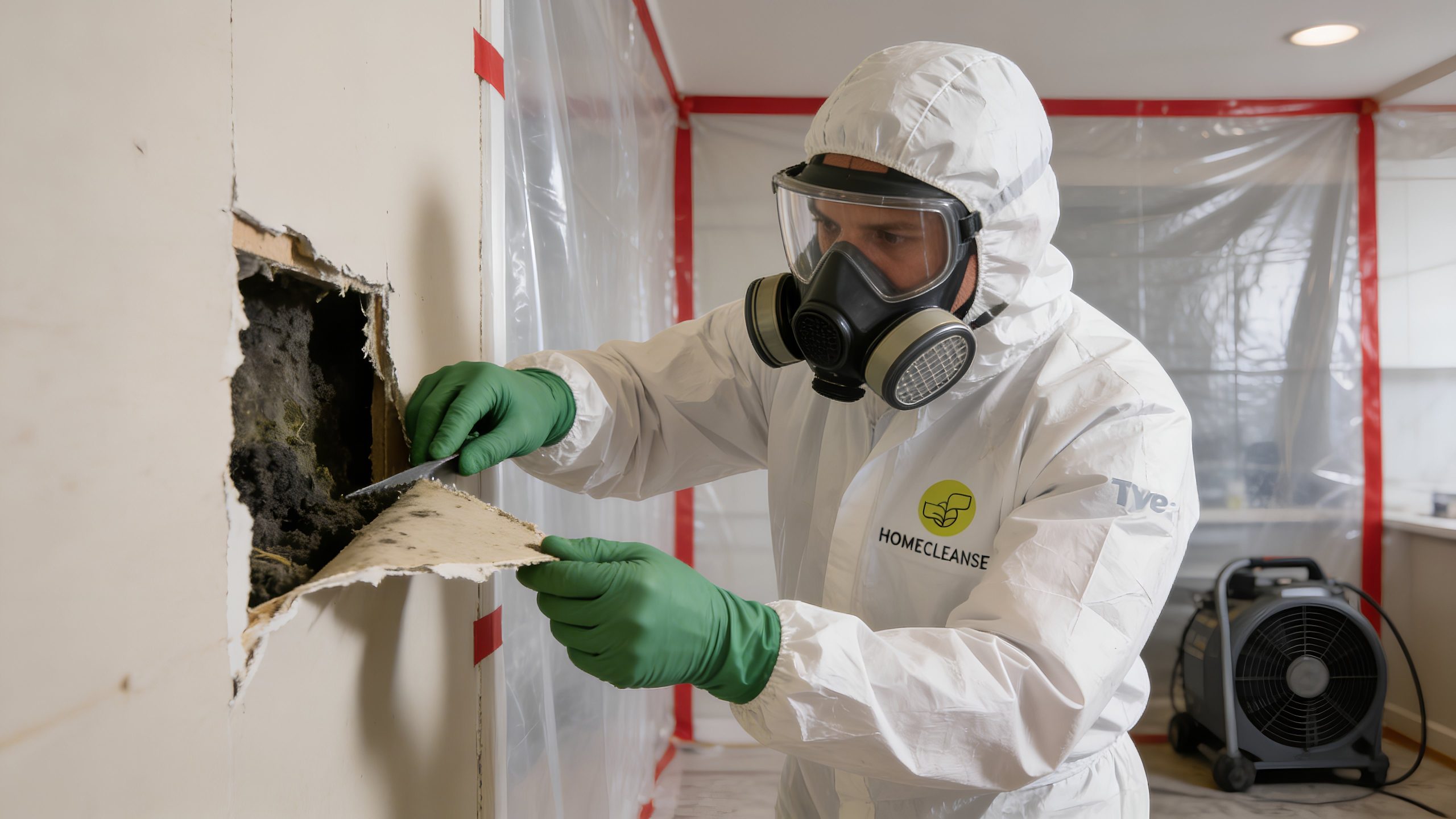
Why Remediation Doesn’t Always Lead to Full Resolution
Not all remediation processes are performed with the same level of detail or scope.
In some cases, visible mold is removed, but the broader environment isn’t fully addressed. When that happens, microscopic particles can remain behind and continue circulating through the home.
In other cases, improper remediation methods have been used, allowing contamination to continue to exist.
These issues can happen for a few key reasons:
Moisture isn’t fully resolved:
If the underlying cause of the growth isn’t corrected, the environment can still support regrowth.Only visible areas are addressed
Mold often extends beyond what you can see, including inside walls, HVAC systems, and settled dust.Removal is replaced with “treatment”
Methods like fogging or heavy chemical use without proper physical removal may not fully eliminate contamination or address the source.Post-remediation cleaning is limited or skipped
During growth, particles spread throughout the home. If those aren’t removed, they can continue to impact the environment.No independent verification is performed
Without confirmation, there’s no clear way to know whether the remediation actually achieved its goal.
This is why two homes can go through “remediation” and have completely different outcomes.
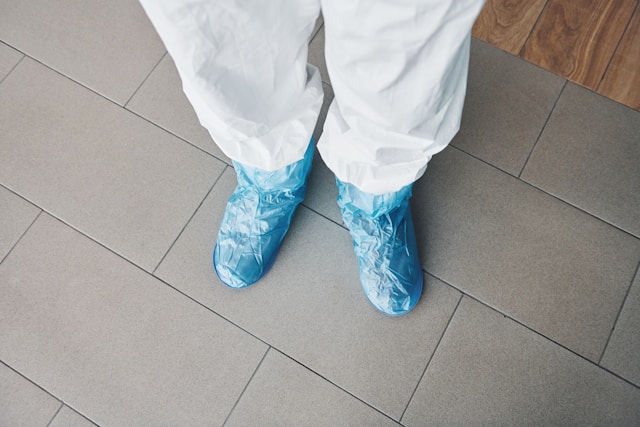
The Part Most People Don’t Realize: Contamination Spreads
Mold doesn’t stay neatly contained in one spot.
As it grows, it releases microscopic particles into the air. These particles move through airflow, HVAC systems, and everyday activity, eventually settling into dust and onto surfaces throughout the home.
Over time, this creates a broader environmental impact.
So even if the original mold growth is removed, the surrounding environment may still carry the imprint of what was happening before. That’s why a home can look clean but still not feel quite right.
What Proper Cleaning Actually Looks Like
This is one of the most important and most overlooked parts of the entire process.
Proper cleaning isn’t about making a space look tidy. It’s about reducing the total amount of contamination in the environment.
That typically includes:
detailed surface cleaning
removal of settled dust
attention to vents, fabrics, and harder-to-reach areas
multiple cleaning cycles to account for particles that resettle over time
It’s a methodical process, not a quick wipe-down.
When done properly, this is often the step that helps a home truly feel different again.

Why Verification Brings Everything Together
Even when everything appears to be done correctly, there’s still one final step that provides clarity: verification.
Post-remediation verification (PRV) is used to confirm that the environment has been restored to a normal, stable condition. This is typically performed by an independent professional to ensure objectivity.
It answers the question visually inspecting a space can’t:
Was the contamination actually removed?
Without verification, you’re left guessing. With it, you have confidence.
How HomeCleanse Approaches This Differently
This is exactly where outcomes tend to change.
At HomeCleanse, the focus isn’t just on removing visible mold. It’s on restoring the entire indoor environment so that it reaches a stable, normal condition.
That means:
addressing the full moisture dynamic, not just the obvious source
performing detailed containment and removal, not surface-level treatment
implementing thorough, multi-stage cleaning across the environment
considering how contamination has spread through air, dust, and HVAC systems
and ensuring the work can pass independent verification
Because the goal is true resolution, not just temporary improvement, the process is built to be comprehensive from start to finish.
It’s also why HomeCleanse is able to stand behind the work with a money-back guarantee. When each step is handled thoroughly and the outcome is clearly defined, there’s confidence in the result.

Signs Remediation Was Likely Successful
Every home is different, but there are some common indicators that things are moving in the right direction.
Over time, you may notice:
the home feels more stable and consistent
musty or unusual odors are no longer present
humidity levels remain controlled
dust buildup occurs slower
the overall environment feels more comfortable
For many people, the key indicator is when symptoms begin to improve gradually as exposure is reduced.
These changes don’t always happen overnight, but they tend to move in a positive direction when the environment has been properly addressed.
Signs the Environment May Still Need Attention
On the flip side, there are also signs that something may still need a closer look.
These can include:
symptoms improving outside the home but returning indoors
lingering or returning odors
dust buildup shortly after cleaning
ongoing humidity or moisture concerns
areas that may not have been included in the original scope
This doesn’t necessarily mean everything was done wrong. It simply means there may be more to uncover.

What You Can Do Next
If you’re unsure whether your remediation was successful, the next step isn’t to panic. It’s to get clarity.
Start by looking at what was actually done:
Was the moisture source fully resolved?
Was contamination physically removed?
Was the entire environment addressed, including air and dust?
Was verification performed?
Then pay attention to how your home feels over time. A properly remediated space should feel stable, consistent, and gradually improving.
If something still feels off, that’s not a setback. It’s just information. And it gives you a clear direction for what to explore next.
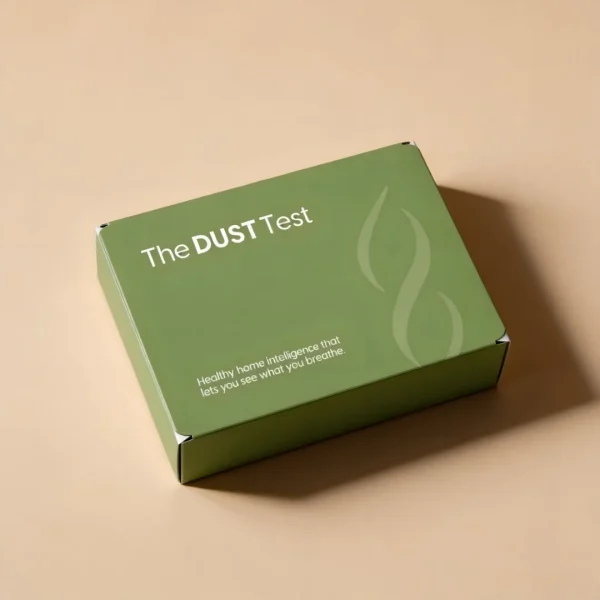
A Simple Way to Check Your Environment: The Dust Test
If you’re still unsure whether your remediation was truly successful, one of the easiest ways to gain clarity is by looking at what’s settled in your home over time.
Dust acts like a record of your indoor environment. As air moves through the space, particles such as mold spores and fragments eventually settle into dust and onto surfaces.
The Dust Test analyzes this dust to help identify whether mold-related contamination may still be present or if the environment reflects a more normal, stable condition.
For many homeowners, it’s a helpful starting point. Instead of guessing based on how the space looks or feels, it provides additional insight into what may still be circulating in the home and whether further action is needed.
Final Thoughts
If you’ve gone through mold remediation, you’ve already taken a meaningful step toward improving your home.
And if you’re still questioning the outcome, you’re not alone. That question is more common than most people realize.
The good news is that with the right understanding of what success actually looks like, it becomes much easier to evaluate your space and decide what to do next.
Because in the end, successful remediation isn’t just about what was removed.
It’s about how your home feels, how stable it is over time, and whether it truly supports your health again.

Frequently Asked Questions About Mold Remediation Success
How do you know if mold remediation was successful?
Mold remediation is considered successful when the moisture source has been resolved, mold contamination has been physically removed, the home has been thoroughly cleaned, and the results have been independently verified. Visual appearance alone isn’t enough. Tue success means the indoor environment has been restored to a stable condition.
Can mold come back after remediation?
Yes, mold can return if the underlying moisture issue was not fully addressed. Mold needs moisture to grow, so if humidity, leaks, or ventilation issues remain, the environment can still support regrowth even after remediation.
Why do I still feel sick after mold remediation?
If symptoms persist after remediation, it may be due to remaining particles such as mold spores or fragments in the environment. This can happen if cleaning was incomplete, contamination spread beyond the original area, or the remediation did not fully address the entire home.
Is fogging enough to remove mold?
Fogging alone is not considered a complete mold remediation method. While it may help treat surfaces temporarily, it does not physically remove mold contamination or address the source of the problem. Proper remediation involves removal, cleaning, and moisture correction.
What is post-remediation verification (PRV)?
Post-remediation verification (PRV) is an independent assessment used to confirm that mold contamination has been properly removed and that the environment is safe and stable. It provides objective confirmation that the remediation was successful.
How long does it take to know if remediation worked?
Some improvements, like reduced odors, may be noticeable quickly. However, it can take days to weeks for the full environment to stabilize and for any health-related symptoms to improve, depending on the extent of the issue and how thoroughly the home was cleaned.
What are the signs that mold remediation was not successful?
Signs may include persistent musty odors, symptoms that improve outside the home but return indoors, visible dust buildup after cleaning, or ongoing moisture issues. These can indicate that the environment may still need further attention.
Do you need to clean your house after mold remediation?
Yes, thorough cleaning is a critical step after remediation. Mold particles can spread throughout the home during growth and removal, settling into dust and onto surfaces. Cleaning helps remove these particles and restore the indoor environment.
What makes HomeCleanse different from other remediation companies?
HomeCleanse focuses on full environmental restoration, not just removing visible mold. This includes addressing moisture sources, performing detailed containment and removal, conducting multi-stage cleaning, and ensuring results can pass independent verification. This comprehensive approach is why they are able to offer a money-back guarantee.
Interested in Learning More?
If you’re trying to better understand what may be happening inside your home, our website is filled with resources designed to help you make informed decisions and provide you with peace of mind
Still Have Questions?
A member of our team is here to help! Click on “Get Started ➤” below to book a consultation with a member of the HOMECLEANSE team. We have a few quick questions that will help us put together a roadmap to solve or prevent all of your mold problems.
Two minutes of your time could lead to better health for you and your family.