
Mold Resources
Direct Answer:
Yes, mold inside a home can affect indoor air quality even when the growth itself isn’t visible. Mold often develops inside building materials like drywall, insulation, or flooring where it’s hidden from view. As it grows, it can release microscopic particles that circulate through the air and settle into dust throughout the home.
While not everyone reacts the same way, some people notice symptoms that seem to worsen when they spend time indoors and improve when they leave the building.
In many homes, environmental factors such as hidden moisture problems, mold growth, or accumulated airborne particles can contribute to symptoms that appear indoors and improve once someone leaves the environment because exposure stops.
Let’s dive in!

Why Mold Isn’t Always Visible
One misconception about mold is that you would always see it if it were present. In reality, a spotless home doesn’t always mean a healthy one.
Throughout our work with homeowners, we’ve walked into brand-new luxury builds, multimillion-dollar estates, and homes that looked absolutely flawless on the surface. Everything appeared clean, well-maintained, and beautifully designed.
Yet behind the scenes, microbial growth was hiding inside wall cavities, beneath tubs and appliances, or within HVAC systems where moisture had quietly accumulated.
Mold doesn’t discriminate between old homes and new construction, modest homes or high-end properties. What matters most are the conditions inside the building. If excess moisture is present, whether from leaks, condensation, humidity, ventilation issues, or construction shortcuts, mold can begin growing within building materials even when everything looks perfectly normal on the outside.
Because so much of a home’s structure is hidden behind walls, floors, and ceilings, microbial growth can often remain out of sight for long periods of time while still affecting the indoor environment.

What Might Be Happening Inside the Home
Inside every home is a constantly changing mixture of air, dust, building materials, household products, and particles that get carried in from outside. Most of the time, we don’t think much about this invisible environment.
However, when moisture enters a home through leaks, humidity, condensation, or water damage, it can create conditions where mold begins to grow inside materials such as drywall, insulation, wood, or flooring.
As mold grows, it releases microscopic particles like spores and fragments. Some species also release microscopic toxins called mycotoxins. These particles can move through the air and settle into dust throughout the home. Everyday activities, like walking across the floor, running the HVAC system, opening doors, or even making the bed, can disturb settled dust and send those particles back into the air, lowering the indoor air quality and triggering exposure.
Over time, this can increase the number of particles circulating within the indoor environment, making the home increasingly toxic.
That’s why dust can act almost like a historical record of what has been present inside the home.
What This Means For You
Because we spend so much time indoors, those particles can matter. The average person takes roughly 20,000 breaths every day, and a large portion of those breaths happen inside the home. When contaminants are present in the environment, repeated exposure over time can contribute to an array of chronic symptoms.
Contaminated indoor environments are associated with various chronic illnesses. At the same time, reactions can vary widely. Some individuals may be more sensitive to environmental triggers, while others living in the same home may not notice symptoms at all.
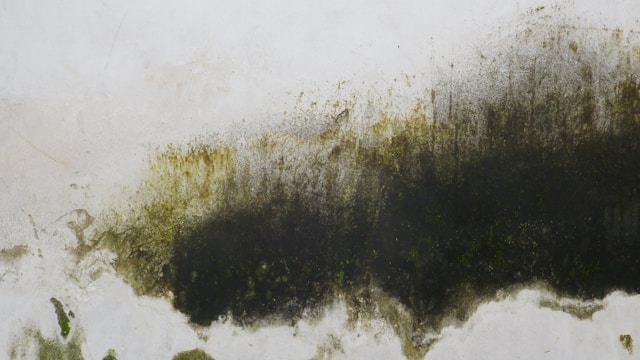
Why Hidden Mold Can Affect Indoor Air
When mold grows in hidden areas of a home, the growth itself may remain out of sight while the particles it produces move through the indoor environment.
Airflow inside a home constantly shifts. HVAC systems cycle on and off, doors open and close, and daily movement disturbs dust on surfaces. These small changes can allow particles from hidden mold growth to circulate through the air and settle throughout the entire house.
In modern homes, this effect can sometimes be amplified. Many buildings today are designed to be energy efficient and tightly sealed to maintain comfortable temperatures. While this improves energy performance, it can also reduce natural air exchange.
When contaminants enter the indoor environment, whether from moisture issues, dust accumulation, or household products, they may linger indoors longer rather than quickly dispersing.
In some situations, particle levels inside the home can become higher than what you might experience outside.
Signs Mold May Be Present Even If You Can’t See It
Because mold often grows in hidden spaces, the first clues sometimes come from environmental signals rather than visible growth.
Some homeowners notice patterns such as:
Persistent musty or earthy odors
Symptoms that improve when spending time outside the home
Symptoms returning shortly after coming back indoors
Past leaks, water damage, or humidity issues
Visible condensation around windows or pipes
Allergy-like symptoms without a clear explanation
These patterns do not confirm that mold is present, but they can suggest that the indoor environment deserves closer attention.

A Real Example of Hidden Mold
Situations like this are more common than many people realize.
We’ve worked with someone who began experiencing symptoms shortly after moving into her home. On the surface, everything looked completely normal. The house was clean, well-maintained, and showed no obvious signs of mold or water damage.
Trusting her instincts, she decided to take a closer look at her environment and started with The Dust Test, which analyzes what has accumulated in household dust over time.
The results suggested microbial contamination may be present in the home.
A professional inspection later confirmed the source. While the area around the water heater looked completely normal, mold had been quietly growing underneath the unit and into the surrounding wall cavity where moisture had been trapped.
Even though the mold growth itself was hidden, it was still releasing particles into the surrounding environment.
Once the moisture issue was corrected and the affected materials were properly remediated, the home environment improved, and the homeowner began working with her healthcare provider to recover.
Stories like this highlight why identifying hidden environmental issues can be such an important step toward improving both the home and overall well-being.
What Homeowners Can Do Next
If you suspect hidden mold may be present in your home, the next step is simply gathering more information about the environment.
Some practical starting points include:
Investigate moisture sources
Check for leaks, condensation, humidity problems, or areas that remain damp.
Monitor humidity levels
Indoor humidity ideally stays between about 35–50%.
Evaluate ventilation
Poor airflow can allow indoor contaminants to accumulate.
Assess dust buildup
Because dust collects particles over time, tools like The Dust Test can help provide insight into what has accumulated in the environment.
Consider a professional inspection
If moisture issues are present or symptoms persist, an environmental inspection can help identify hidden mold growth or building conditions that may support it.

Quick Environmental Checklist
If you’re trying to determine whether your home environment could be contributing to symptoms, consider checking:
✔ Humidity levels (ideal range: about 35–50%)
✔ Any recent leaks, plumbing issues, or water damage
✔ Areas that feel damp or smell musty
✔ HVAC filters and ventilation systems
✔ Constant dust buildup on vents, shelves, or surfaces, even with routine cleaning
Even small moisture issues can create conditions where mold begins to grow inside building materials, which is why identifying water problems early is important.
Final Thoughts
A home can look perfectly clean and still have environmental issues hiding behind walls or within building systems.
Noticing patterns in how you feel in different environments can be an important clue, but it is only one piece of the puzzle. Investigating the home environment and gathering reliable information can help provide a clearer picture of what may be affecting indoor air quality.
With the right information, homeowners can make informed decisions about improving the health of their living space and ensuring the home supports their well-being.
Related HomeCleanse Resources
If you’re exploring whether your home environment may be influencing how you feel, these resources may help:
Still Have Questions?
A member of our team is here to help! Click on “Get Started ➤” below to book a consultation with a member of the HOMECLEANSE team. We have a few quick questions that will help us put together a roadmap to solve or prevent all of your mold problems.
Two minutes of your time could lead to better health for you and your family.