

Decluttering is usually framed as a productivity upgrade. Or an aesthetic refresh. Or a way to quiet mental noise.
All true!
But there’s another benefit that deserves far more attention:
Decluttering can support a healthier indoor environment.
When excess items accumulate, they do more than visually crowd surfaces. They create reservoirs where dust settles, restrict airflow, and quietly hide early warning signs of moisture intrusion. Since moisture is the primary driver of mold growth, and indoor air quality is heavily influenced by what exists inside the home, clutter plays a much larger role than most homeowners realize.
Decluttering, in this context, becomes more than organization.
It becomes visibility. Prevention. Environmental awareness.
And awareness is power.
How Decluttering Impacts Indoor Air Quality

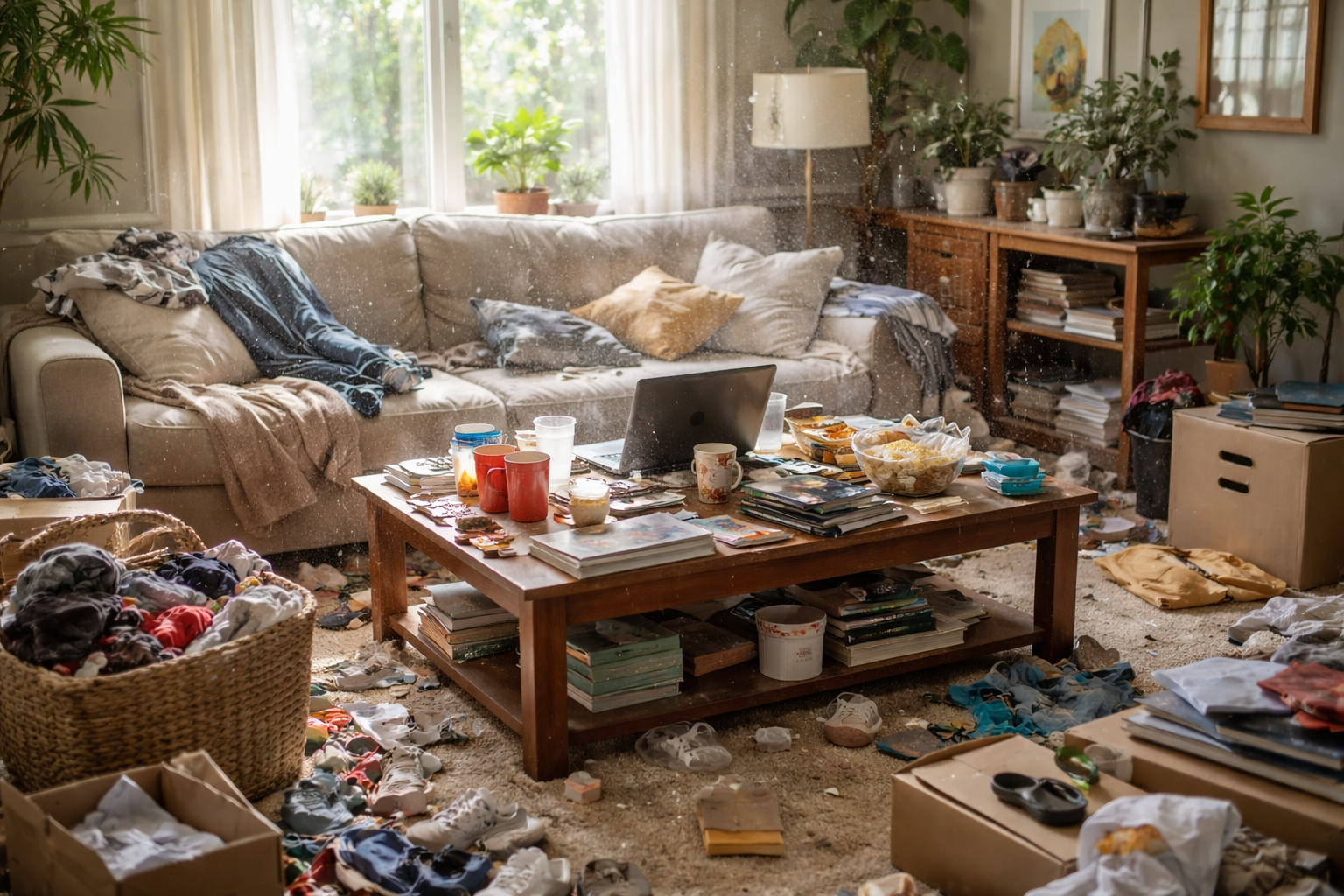
Clutter naturally increases the number of surfaces where dust can accumulate.
Dust is not just harmless debris. It is a complex mixture that may contain skin cells, fibers, tracked-in outdoor particles, allergens, mold spores, bacteria, pesticides, and other microscopic materials that can become airborne when disturbed.
Stacks of paper, crowded shelving, overfilled closets, and packed corners act as dust storage zones. Every time airflow shifts, whether from walking through a room or your HVAC system cycling on, fine particulates can re-enter the breathing zone.
Decluttering reduces these accumulation points and, just as importantly, makes proper cleaning dramatically more effective.
That's why source control is one of the most effective strategies for improving indoor air quality.
Less clutter → fewer reservoirs → easier removal → cleaner air dynamics.
Decluttering and Moisture Prevention: The Hidden Connection
Mold does not grow without moisture.
Yet many moisture problems are not dramatic floods or obvious leaks. They are slow, subtle, and often concealed:
- Minor plumbing drips
- Condensation buildup
- Small roof intrusions
- Elevated humidity pockets
- Damp building materials
Clutter is remarkably good at hiding these signals.
Boxes pressed against walls, crowded under-sink cabinets, packed closets, and basement storage piles can prevent you from noticing:
- Water staining
- Material swelling
- Damp odors
- Surface condensation
- Softened materials
And since mold can grow within 24-48 hours, these hidden spaces can go unnoticed for some time, allowing microbial growth to develop, flourish, and pollute your indoor air.
You cannot address what you cannot see.
Decluttering increases the probability of early detection. And early detection changes everything.
If you’re curious how moisture and mold interact inside buildings, our mold education resources provide a clear breakdown of that fungus among us and why it should be on all of our radars.
Why Cluttered Spaces Increase Environmental Risk
Clutter alters the physical behavior of indoor environments.
Not metaphorically. Literally.
It can:
✔ Restrict airflow
✔ Create stagnant humidity pockets
✔ Trap condensation
✔ Prevent drying
✔ Obscure building assemblies
Poor airflow and elevated humidity contribute to conditions conducive to microbial growth.
Decluttering improves air circulation and reduces hidden microclimates where moisture lingers longer than intended.
Think of decluttering as home maintenance rather than aesthetic perfection!
Why Promoting Healthier Indoor Air Quality Matters More Than Most People Realize
Indoor air quality often gets treated like a background detail. Something that only matters if there’s a visible problem.
But the reality is far more foundational.
The air inside a home is one of the most constant environmental exposures the body experiences. Unlike occasional outdoor pollutants, indoor air is inhaled hour after hour, day after day, often in enclosed spaces where contaminants can accumulate more easily.
To put it into perspective, we breathe around 20,000 times per day and spend around 90% of our time indoors.
And according to the Environmental Protection Agency (EPA), indoor air often contains higher concentrations of pollutants than outdoor air. And since most people spend a significant portion of their time indoors, these exposures can play a serious role in overall well-being.
Healthier indoor air quality supports the body in ways that are both immediate and cumulative:

Respiratory Comfort
Cleaner air reduces irritation from particulates, allergens, and airborne debris that can trigger coughing, congestion, or discomfort.
Reduced Immune System Burden
When the body is not constantly responding to environmental irritants, the immune system can operate more efficiently.
Cognitive Clarity & Focus
Airborne particulates and poor ventilation can influence comfort, fatigue, emotions, and mental sharpness.
Sleep Quality
The bedroom environment directly shapes nightly recovery. Air quality, humidity, and particulate levels all play a role in restorative sleep.
Long-Term Environmental Stress Reduction
Chronic low-level exposures may not produce dramatic symptoms, but they can contribute to persistent symptoms and play a role in chronic illness.
What makes indoor air quality particularly important is that many influencing factors are controllable:
- Dust accumulation
- Ventilation effectiveness
- Filtration efficiency
- Humidity regulation
- Moisture management
- Cleaning practices
- Source control
Decluttering plays a surprisingly powerful role in this equation.
By reducing dust reservoirs, improving airflow, and revealing hidden moisture risks, decluttering directly supports healthier indoor air dynamics.
Environmental wellness is rarely driven by one dramatic intervention.
It’s shaped by small, consistent choices that reduce unseen stressors and promote stability.
And few upgrades are as impactful as improving the air you breathe every single day.
Because a healthier home environment doesn’t just feel better.
It functions better.
Best Areas to Declutter for a Healthier Home
Not all clutter has the same environmental impact.
Some zones deserve priority.
Under Sinks & Inside Cabinets
These areas are common moisture risk zones.
Decluttering here helps you:
✔ See plumbing connections
✔ Spot minor leaks early
✔ Prevent unnoticed material damage
✔ Reduce humidity traps
If decluttering reveals staining, swelling, or persistent musty odors, it's time to bring in a qualified inspector to assess the scope of the problem.
Closets Along Exterior Walls
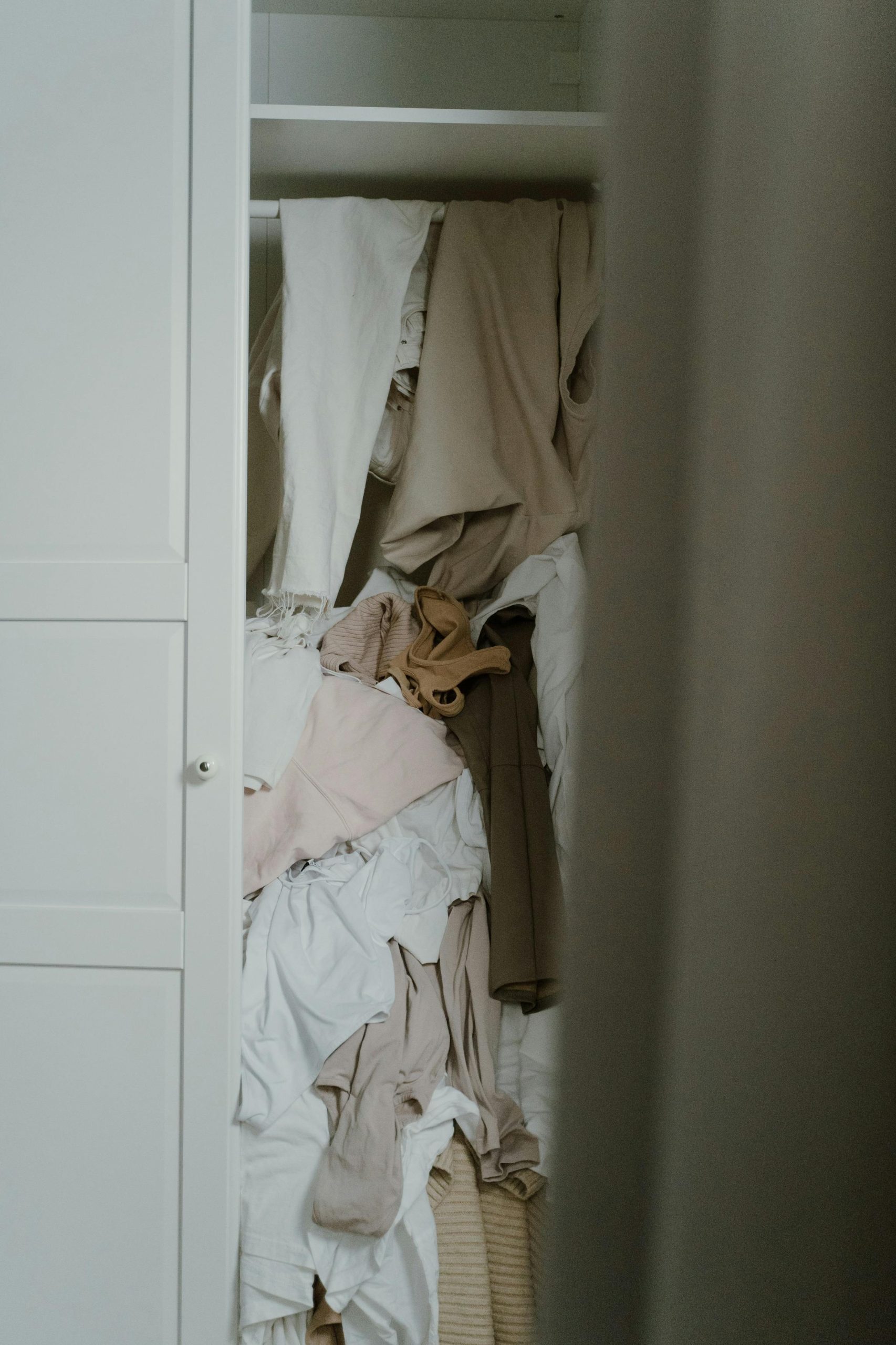
Closets often have limited airflow.
Overpacking can:
- Reduce ventilation
- Increase humidity retention
- Mask condensation issues
Creating breathing space improves airflow and visibility for a quick inspection.
Bathrooms & Vanity Storage
Bathrooms are naturally high-moisture environments.
Decluttering reduces:
✔ Condensation trapping
✔ Hidden dampness
✔ Cleaning barriers
Also, confirm exhaust fans vent outdoors rather than into attics!
Basements & Crawlspaces
These are frequently moisture-prone areas.
Decluttering goals:
✔ Avoid floor-level storage
✔ Remove musty items
✔ Maintain inspection pathways
✔ Improve airflow
We also outline broader strategies for detoxifying indoor environments here:
👉 Improve indoor air quality at home
Around HVAC Systems & Vents
Blocked vents alter airflow patterns.
Decluttering ensures:
✔ Proper circulation
✔ Easier filter changes
✔ Reduced dust redistribution
EPA guidance highlights filtration and air cleaning as supportive strategies.
What Happens When Decluttering Reveals Red Flags

Decluttering often acts as a diagnostic trigger.
If you notice:
- Persistent musty odors
- Water staining
- Softened materials
- Visible discoloration
- Recurring condensation
Understanding what to expect from an inspection is so important.
👉 What to look for in a mold inspection
And if contamination is confirmed, successful remediation matters.
👉 HomeCleanse remediation framework
Notice the progression:
Awareness → Evaluation → Clarity → Action
Not panic.
Not guesswork.

The Practical Decluttering Strategy That Actually Works
Decluttering paralysis is real.
Simplify the process.
✔ Step 1: Target One Zone
Choose impact-driven areas first, like the ones listed above!
✔ Step 2: Apply Keep / Relocate / Release
Keep → Functional, clean, appropriate
Relocate → Useful, wrong space
Release → Expired, damaged, redundant
And remember! A musty smell = environmental data that requires action.
✔ Step 3: Clean Newly Accessible Surfaces
Top-to-bottom particulate removal using botanical cleaners, microfiber towels, and a HEPA vacuum cleaner.
✔ Step 4: Create Visual Access
Visibility = prevention.
✔ Step 5: Add One Maintenance Habit
Small systems prevent clutter rebound.
Decluttering Creates Visibility. The Guardian Creates Awareness.
Decluttering improves what you can see.
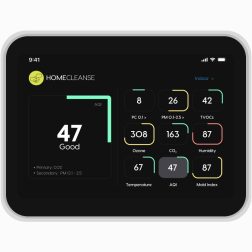
The HomeCleanse Guardian helps monitor what you can’t.
Even in well-maintained homes, environmental shifts are not always obvious. Humidity fluctuations, particulate spikes, and air quality changes often occur gradually and invisibly. By the time visible symptoms appear, conditions may have already been evolving behind walls or within building systems.
That’s where continuous monitoring becomes incredibly valuable.
The HomeCleanse Guardian functions as an indoor environmental intelligence system, tracking key air quality and environmental indicators that influence home wellness. Rather than relying on guesswork or periodic checks, you gain ongoing visibility into the conditions shaping their indoor environment.
In practical terms, this means:
✔ Early detection of abnormal humidity trends
✔ Awareness of particulate changes
✔ Insight into environmental shifts
✔ Data-driven decision-making
✔ Reduced reliance on subjective interpretation
Decluttering removes noise from the physical environment.
Guardian removes uncertainty from the invisible environment.
Together, they create a home that is not just cleaner, but measurably more aware.
Because prevention is always easier than correction. And awareness is always more powerful than assumption.
Decluttering as a Home Wellness Strategy
Decluttering is not a one-stop solution for preventing mold or improving air quality. But, it does play a foundational role:
It reveals environmental signals.
It supports:
✔ Source control
✔ Airflow optimization
✔ Moisture awareness
✔ Cleaning effectiveness
✔ Preventative maintenance
Decluttering supports moisture control by enabling awareness.
Decluttering is not about minimalism. It’s about environmental awareness.
A healthier home is easier to inspect, easier to clean, easier to maintain, and far less forgiving to hidden moisture problems.
Decluttering creates that environment.

FAQ: Decluttering & Indoor Environmental Health
Does decluttering improve indoor air quality?
It supports source control and particulate management by reducing dust reservoirs and improving cleaning access. So, yes!
Can decluttering prevent mold growth?
Yes, it improves visibility and airflow, both critical for moisture detection and control.
How fast can mold grow after moisture exposure?
Mold can grow within 24-48 hours, provided there is moisture and organic material.
What if decluttering reveals moisture damage?
Inspection and environmental assessment will illuminate what's going on in the home.
Must-Have Indoor Air Quality Tools
-
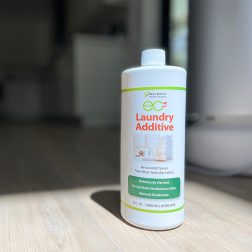
EC3 Laundry Additive
Add EC3 to every rinse cycle to rinse away mold, bacteria and musty odors from...
-
$23.00 Shop Now -
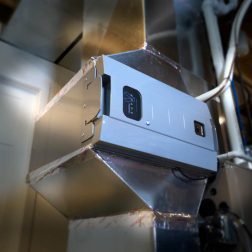
HomeCleanse Shield (SuperV) Whole House Air Purifier
Turn your HVAC into a filtration system, removing 99% of ultrafine particles including airborne mold,...
-
$2,495.00 Shop Now -
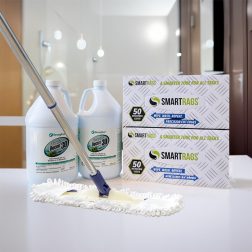
HomeCleanse Cleaning
Take your cleaning to the next level buying all the tools we use to keep...
-
Price range: $299.00 through $549.00 Shop Now -
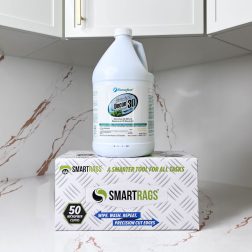
Mold & Bacteria Contents Cleaning
Remove harmful pollutants that accumulate in the dust of your home. (Options available for renters...
-
Price range: $99.00 through $349.00 Shop Now -

EC3 Mold Solution Concentrate
Micro Balance EC3 Mold Solution Concentrate is a natural botanical that removes mold spores, bacteria,...
-
$33.00 Shop Now -
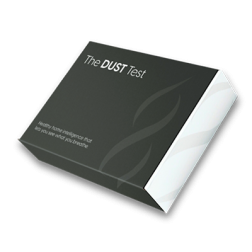
The Dust Test
The Dust Test is a comprehensive at-home test that helps you identify mold and toxins...
-
$299.00 Shop Now -
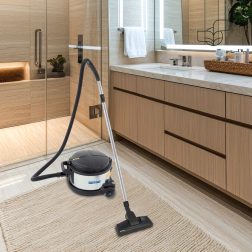
EuroClean 4 Gallon Hepa Vacuum
The Euroclean GD930HSP is a 4 Gallon Dry HEPA Vacuum that meets the EPA's standards...
-
$849.00 Shop Now -
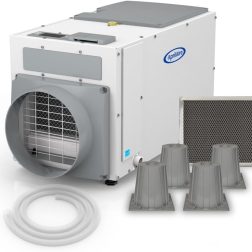
AprilAire E080 Professional Dehumidifier Bundle
Includes all the dehumidifier accessories you will need. Our Aprilaire E080 comes with a drain...
-
$1,524.99 Shop Now