
Mold Resources
How the HomeCleanse Process Goes Further to Protect Clients and Their Homes
If you’ve been researching mold remediation, you may have come across the IICRC S520 Standard for Professional Mold Remediation.
Many inspectors and remediation professionals reference this document when discussing how mold cleanup should be performed.
But when searching for a trusted partner, you may have noticed that different remediation companies follow slightly different procedures, even when everyone claims to follow the S520.
So why does that happen?
The answer is that the S520 is not a strict rulebook. It is a guidance document designed to establish a baseline for safe remediation practices.
At HomeCleanse, we respect the S520 and the role it plays in helping define the general standard of care within the remediation industry.
However, the clients we serve often require a much higher level of environmental control.
Many of the homeowners who contact HomeCleanse are dealing with:
chronic illness
mold hypersensitivity
complex environmental contamination
previous remediation attempts that were unsuccessful
Because of this, our remediation protocol was designed to go significantly beyond baseline industry practices.
Over the past decade, we have developed a structured remediation system known as The Mold Method.
This resource explains how the Mold Method compares to the S520 and highlights several ways our process provides additional layers of environmental cleaning, project control, and long-term protection.

What the IICRC S520 Standard Is Designed to Do
The ANSI/IICRC S520 Standard for Professional Mold Remediation is one of the most widely referenced guidance documents in the remediation industry.
Rather than functioning as a strict checklist, the S520 provides a recommended framework for safe remediation practices.
The document outlines several core principles, including:
correcting the underlying moisture source
protecting workers and preventing cross-contamination
physically removing mold contamination
using proper cleaning methods
verifying that remediation was successful
Importantly, the S520 repeatedly emphasizes that remediation professionals must exercise professional judgment when determining how to perform work on a specific project.
Because every building and contamination scenario is different, the standard intentionally allows flexibility in how remediation procedures are implemented.
What Is The Mold Method?
The Mold Method is the remediation protocol developed and implemented by HomeCleanse.
The system was originally created in 2012 while working with clients who had already undergone multiple remediation attempts without success.
Many of these homeowners were working with physicians and environmental specialists who required extremely high indoor air quality standards.
As a result, HomeCleanse developed a remediation system designed to deliver deeper environmental cleaning and greater long-term protection, enabling them to have a safe environment in which to heal.
The Mold Method includes:
multiple sequential cleaning cycles
strict environmental stabilization requirements
structured project management and quality controls
extensive documentation and accountability
third-party verification testing
a 10-year warranty against mold recurrence
Today, this protocol is implemented through a 78-step standard operating procedure followed by HomeCleanse remediation teams nationwide.

Where the Mold Method Goes Beyond the S520
While the S520 provides an important baseline for the remediation industry, the Mold Method introduces additional layers of control and cleaning designed to support more complex or medically sensitive situations.
Below are several areas where the HomeCleanse system expands upon the baseline framework described in the S520.
1. Environmental Stabilization Before Remediation Begins
One of the first priorities in the Mold Method is stabilizing the indoor environment before remediation work begins.
Technicians confirm that environmental conditions meet specific thresholds, including:
indoor humidity below 50%
structural moisture content below 17%
HVAC shutdown within containment areas
isolation of interior air registers
environmental logging for each work area
The S520 recommends addressing moisture problems, but it does not require specific numerical thresholds before remediation begins.
By stabilizing the environment first, the Mold Method helps ensure that mold cannot continue growing during the remediation process.
2. Structured Project Control and Field Accountability
Another major difference between the Mold Method and many traditional remediation projects is operational structure and project oversight.
The Mold Method requires:
a Pre-Launch Alignment Call before work begins
the Treatment Plan posted onsite
the remediation checklist displayed in the work area
room-by-room environmental logs
escalation procedures if additional damage is discovered
While the S520 focuses primarily on remediation techniques, it does not mandate this level of structured project management.
These operational controls help ensure consistency, prevent scope errors, and maintain quality across projects nationwide.
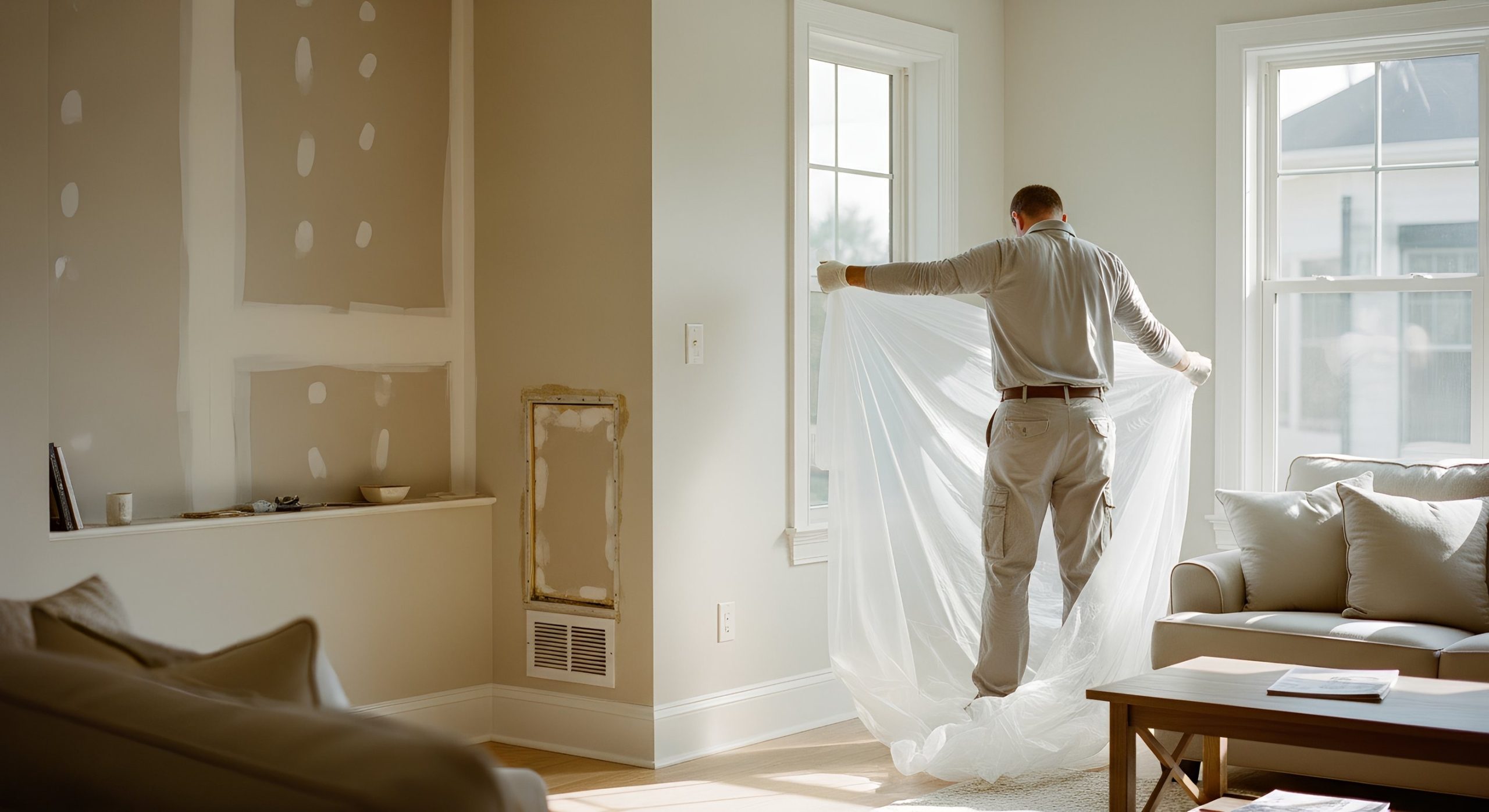
3. Multiple Sequential Cleaning Cycles
One of the most significant differences between the Mold Method and many standard remediation approaches is the use of multiple full cleaning cycles.
The Mold Method includes three distinct contamination removal stages:
Mechanical removal through sanding or wire brushing
Hydrogen peroxide cleaning with surfactant
Broad-spectrum antimicrobial treatment
Each stage is separated by HEPA vacuuming and inspection.
While the S520 emphasizes physical removal as the most important step, it does not require multiple complete cleaning cycles.
The Mold Method intentionally repeats cleaning stages to ensure contamination is thoroughly addressed.
4. Real-Time Protein Detection During Cleaning
During the hydrogen peroxide cleaning phase, technicians observe bubbling reactions that indicate the presence of organic material.
If bubbling continues, additional cleaning is performed until contamination is fully removed.
This provides a real-time visual indicator of cleaning effectiveness during the remediation process.
The S520 does not require this type of visual protein detection step.
5. Repeated HEPA Vacuuming
The Mold Method requires HEPA vacuuming multiple times throughout remediation.
This includes vacuuming:
after mechanical abrasion
after antimicrobial application
during final cleaning
Repeated HEPA vacuuming helps reduce the risk of particles becoming re-aerosolized during the remediation process.
While HEPA vacuuming is recommended by the S520, it is not typically performed in multiple stages.
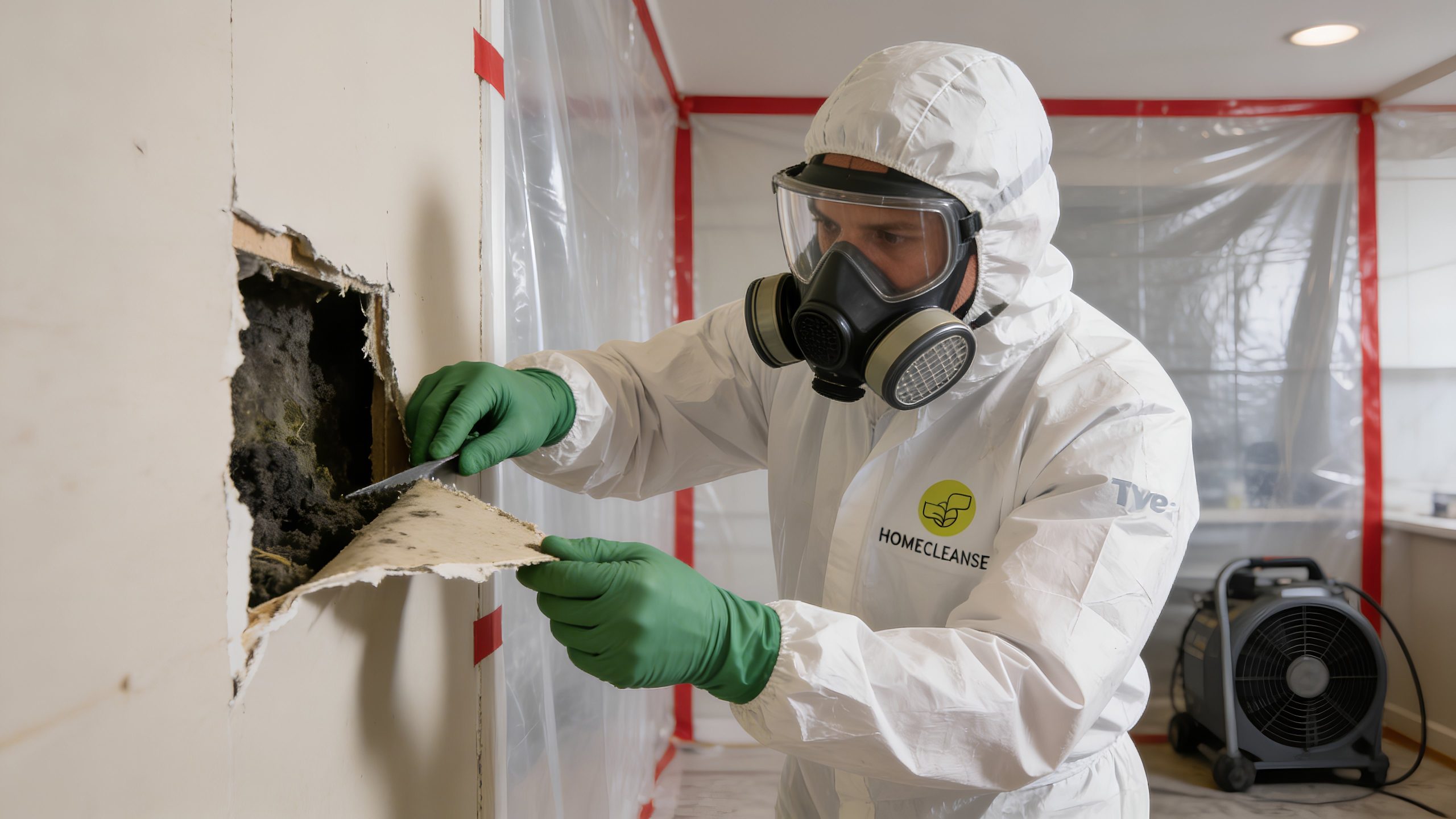
6. Strict Microfiber Cleaning Protocols
The Mold Method includes highly structured cleaning procedures for microfiber towels.
Technicians are trained to:
fold towels into eight usable surfaces
use each side for no more than 25 square feet
discard towels after 200 square feet of cleaning
replace towels whenever contamination becomes visible
These procedures help prevent cross-contamination during wipe-down cleaning stages.
The S520 does not specify this level of detail for microfiber cleaning protocols.
7. Equipment Decontamination Between Cleaning Products
When switching between cleaning solutions, the Mold Method requires technicians to completely flush the spray equipment.
This includes:
flushing the sprayer with clean water
running water through the hose and spray gun
removing and cleaning filters
removing and cleaning the spray tip
This prevents chemical mixing and residue contamination.
The S520 does not specifically require equipment flushing between cleaning products.
8. Mandatory Mechanical Surface Preparation
The Mold Method requires technicians to perform mechanical surface preparation on impacted materials such as wood or concrete before chemical cleaning begins.
This may involve sanding or wire brushing affected surfaces.
The goal is to ensure contaminated surface layers are physically removed.
While the S520 allows abrasion techniques, it does not require them.
Unfortunately, some remediation approaches rely heavily on chemical fogging rather than physical removal. The Mold Method prioritizes the physical removal principle emphasized in the S520.
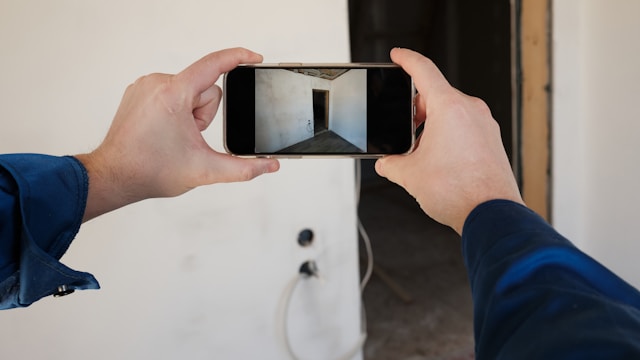
9. Extensive Photo Documentation
The Mold Method includes detailed documentation throughout the remediation process.
Technicians capture photo documentation during major milestones, including:
containment construction
cleaning stages
encapsulation application
final inspection
These photos are uploaded to the HomeCleanse client portal so homeowners can review project progress at any time.
The S520 recommends documentation but does not require continuous milestone photography.
10. Enhanced Debris Removal Procedures
During demolition and debris removal, the Mold Method requires contaminated materials to be:
double-bagged
tied and taped
wiped before leaving containment
These procedures help reduce the risk of contamination spreading throughout the home during material removal.
The S520 requires proper disposal practices but does not mandate these additional decontamination steps.
11. Encapsulation as a Protective Barrier
After cleaning is completed, the Mold Method applies antimicrobial encapsulants designed to:
reduce surface porosity
provide moisture resistance
stabilize building materials
make future cleaning easier
Encapsulation is optional under the S520.
Within the Mold Method, however, it is required because it supports the HomeCleanse 10-year warranty system.
Without encapsulation, long-term protection against future humidity spikes or condensation events may be reduced.
12. Detailed Final Cleaning and Inspection
Before third-party verification testing, technicians perform a final inspection and cleaning of areas that are easy to overlook.
This may include locations such as:
high ledges
cabinet interiors
closet shelving
HVAC register edges
framing joints
areas behind furniture
This final inspection helps ensure that hidden reservoirs of contamination are not left behind.

Verification Still Occurs
Although the Mold Method sequences encapsulation differently than some interpretations of the S520, independent verification remains a central part of the process.
Post-remediation verification testing is performed by the environmental professional selected by the client.
Since 2012, thousands of these independent tests have been performed following HomeCleanse remediation treatment projects.
The Goal Is the Same: Healthy Indoor Environments
At the end of the day, both the S520 standard and the Mold Method share the same objective:
Restoring clean and healthy indoor environments.
The difference is that the Mold Method was designed specifically for homeowners who require a higher level of environmental control.
By combining mechanical removal, repeated cleaning cycles, structured project oversight, and long-term protective coatings, the Mold Method provides a remediation system designed to deliver reliable results even in complex or medically sensitive situations.
For thousands of homeowners across the country, this approach has made it possible to safely return to their homes.

Interested in Learning More?
If you’re trying to better understand what may be happening inside your home, our website is filled with resources designed to help you make informed decisions and provide you with peace of mind.
Still Have Questions?
A member of our team is here to help! Click on “Get Started ➤” below to book a consultation with a member of the HOMECLEANSE team. We have a few quick questions that will help us put together a roadmap to solve or prevent all of your mold problems.
Two minutes of your time could lead to better health for you and your family.