
Mold Resources
Some people become sick from mold exposure while others experience few or no noticeable symptoms because every person’s response is unique. Factors such as genetics, the amount and type of contaminants present, the length of exposure, age, immune system function, existing health conditions, and what many environmental medicine practitioners describe as a person’s overall toxic burden may all influence how someone responds. As a result, two people living in the same home can have very different experiences.
Let's dive in.
Why Can Two People Living in the Same Home Feel Completely Different?
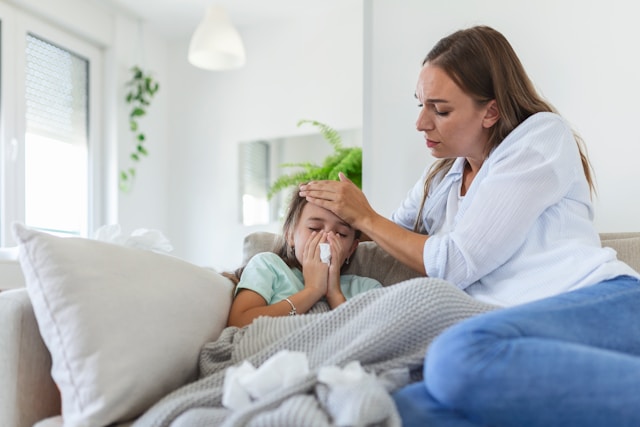
Maybe you’ve noticed that one person in the house consistently feels like something is wrong with their health while everyone else seems completely fine. Or maybe you are the only one experiencing symptoms while your family feels normal. Situations like these are confusing.
And it often leads to questions like:
- Is this all in my head?
- Maybe I’m just aging…
- I’m sure it’s just stress.
- Why does it feel like my body is battling me?
When at the end of the day, their body is acting as a canary in the coal mine, alerting them that something in the environment is not safe.
So, why do some people get sick from mold while others don't?
The truth is, there’s rarely a single explanation. Researchers continue to study why responses to mold and water-damaged buildings vary so widely, but many experts believe a person’s reaction is influenced by a combination of the environment itself and their individual biology.
That’s why the same home can affect different people in different ways.
Factors That May Influence How Someone Responds to Mold
No single factor explains every situation, but several may play a role.
Genetics
Genetics may influence how someone’s immune system responds to environmental exposures, including mold. While scientists are still learning about these relationships, many environmental medicine practitioners believe genetic differences can help explain why one person develops symptoms while another living in the same home does not.
For example, a few studies have started linking those with the HLA-DR as hypersensitive because their body’s immune system does not respond properly to toxins such as mycotoxins.

Overall Toxic Burden
Many practitioners also consider what they describe as a person’s overall toxic burden. Rather than looking at mold exposure in isolation, this perspective considers the combined effects of environmental exposures, lifestyle factors, and overall health.
While this concept continues to be studied, many clinicians believe it may help explain differences in how individuals respond to similar environments. We’ve worked with various medical professionals and individuals who not only were attempting to determine if mold exposure was related to their health issues, but also actively working on reducing exposure loads in general to help support their immune system.
Immune System Function
A person’s immune system plays an important role in how their body responds to environmental exposures.
Individuals with allergies, chronic respiratory conditions, previous conditions, or compromised immune systems are often more likely to experience symptoms.
However, being healthy doesn’t make someone immune to mold exposure. We’ve also worked with many clients who considered themselves perfectly healthy before living in a water-damaged home. Depending on the environment, the level of exposure, and individual biology, healthy people can develop symptoms as well.
Children, whose immune systems are still developing, may also respond differently than healthy adults. Their immune systems simply aren’t equipped to handle the daily exposure. For many of the families we work with, children in the home were some of the first to develop symptoms due to mold in the home.
Length and Severity of Exposure
Not all mold exposures are the same. It’s about how much contamination is present, how often someone is exposed, and how long those conditions continue. Spending months or years in a water-damaged building means breathing that indoor environment day after day, which is very different from a brief or occasional exposure.
While every person’s response is unique, prolonged exposure may increase the likelihood that someone who is susceptible begins to experience symptoms.
That being said, we’ve also worked with clients who have developed sensitivities to mold after long-term exposure and instantly react to mold presence indoors. Their bodies understand what that presence means, and sound the alarm to move away from that exposure.
The Indoor Environment
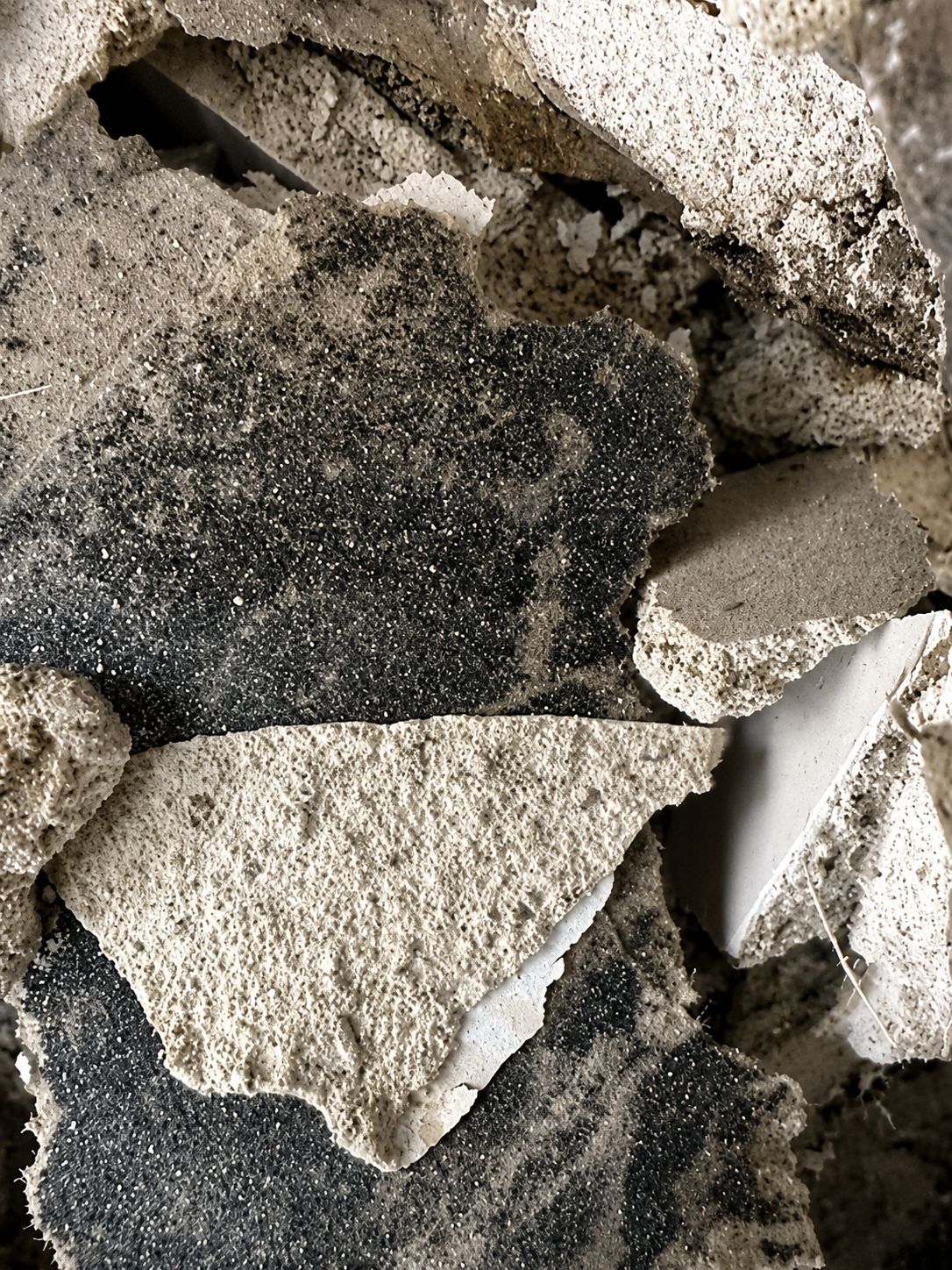
Water-damaged buildings often contain more than visible mold. Mold fragments, bacteria, mycotoxins, and other microscopic particles may all contribute to reduced indoor air quality.
Not to mention other everyday exposures add to the toxicity of our indoor spaces. Things like pesticides, volatile organic compounds (VOCs), chemicals from cleaning products, fragrances, combustion byproducts from gas stoves or fireplaces, wildfire smoke, outdoor air pollution, pet dander, dust mites, and fine particulate matter can all become part of the air we breathe inside our homes.
Looking at the home as a complete environment often provides a more accurate picture than focusing on one visible area of mold.
Overall Health
Even people who consider themselves healthy can react to mold exposure. While certain groups are generally considered more susceptible, otherwise healthy individuals may also experience symptoms depending on the environment, the nature of the exposure, and their own unique biological response.
Does Feeling Fine Mean Mold Isn’t a Problem?
Not necessarily.
Again, some people may experience noticeable symptoms, while others living in the same home feel completely normal. Likewise, developing symptoms doesn’t automatically mean mold is the cause, as many health conditions can produce similar signs.
The condition of the building and the health of the people living in it should both be considered when trying to understand what’s happening.
This is especially true because we spend around 90% of our time indoors and breathe around 20,000 breaths per day. Our indoor spaces play a significant role in our health and wellness. Considering that, they should always be included when ruling out all potential diagnoses.

What Can You Do If You Think Mold Is Affecting Your Health?
If you suspect mold or a water-damaged building may be contributing to your symptoms, your first step is to test the indoor spaces you spend the most time. First and foremost should be the home.
The best way to get an overall understanding of whether there might be an issue worth investigating? Testing the dust.
Think of household dust as your home’s memory.
Every day, microscopic particles settle onto floors, shelves, furniture, and other surfaces. Over time, that dust collects evidence of what’s been circulating through the air, including mold spores, mold fragments, bacteria, allergens, and other contaminants. Because it accumulates over weeks or months, dust can often provide a more representative picture of your indoor environment than a single air sample taken at one moment in time.
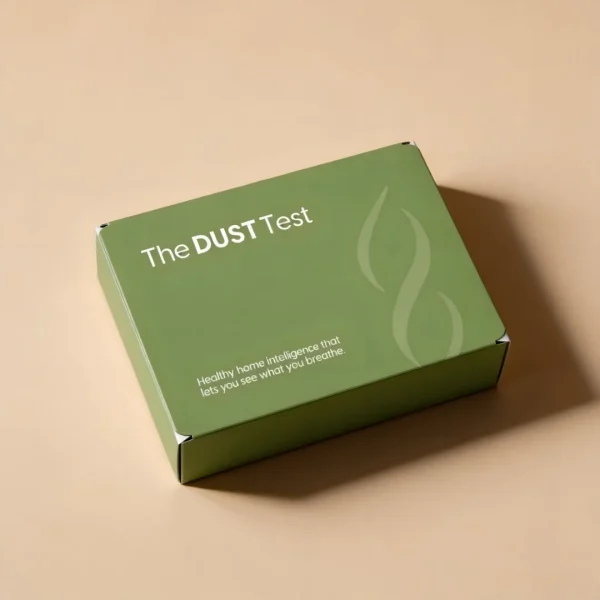
That’s why we developed The Dust Test. Instead of capturing only what’s in the air when an inspector visits, it analyzes the dust that’s been collecting inside your home to help homeowners better understand their overall indoor environment.

If the Results Show a Problem
If your Dust Test results indicate elevated mold or other concerning findings, the next step is to bring in a qualified indoor environmental professional to assess the home more thoroughly. A dust test can help show that something may be happening, but an inspection helps determine where the problem is coming from, how extensive it is, and what conditions are allowing it to continue.
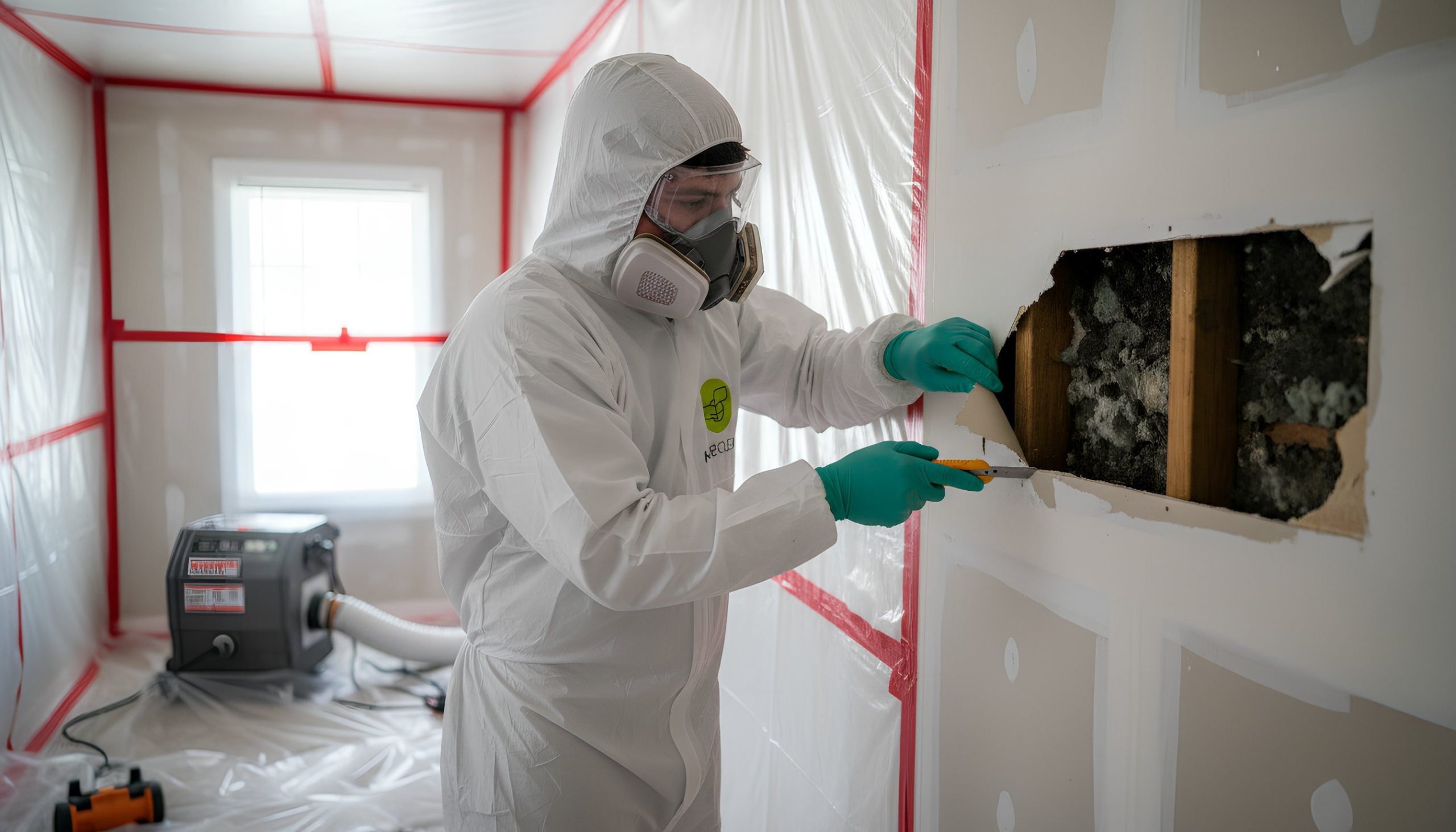
That assessment should look beyond the obvious. Mold can develop behind walls, under flooring, around windows, inside HVAC systems, and in other areas where moisture has been present. The goal is to identify the source, not simply clean what you can see.
If mold or water damage is confirmed, proper remediation should address the problem at its source. That means correcting the moisture issue, removing or remediating contaminated materials, and thoroughly cleaning the affected environment to reduce the particles and contaminants that may have spread throughout the home.
Once the source has been handled correctly, follow-up testing can help provide additional confidence that the environment has improved before you move into long-term prevention and maintenance.
Next Step
From there, reducing your ongoing exposure is one of the most important next steps.
Depending on your situation, that may include:
Spending more time in fresh air when possible.
Using the highest-rated MERV filters the HVAC unit can handle to help reduce airborne particles.
Improving indoor air quality through proper ventilation and air purification.
Following a regular cleaning routine to help remove settled dust and contaminants.
Working with a knowledgeable healthcare provider who understands environmental exposures and can help determine the most appropriate next steps for your individual situation, including supportive strategies such as detoxification when appropriate.
Properly cleaning or remediating affected materials to help reduce ongoing exposure after the moisture issue has been addressed.
Reducing exposure often requires addressing both the building and your overall health. Focusing on only one side of the equation may leave important pieces of the puzzle unresolved.
Prevention Starts With Awareness
Once you’ve addressed any existing mold issues or ruled them out, the next step is making sure the home remains healthy.
The challenge is that many indoor environmental problems develop long before you can see them or smell them. By the time you notice something is wrong, the issue may have been growing for weeks or even months.
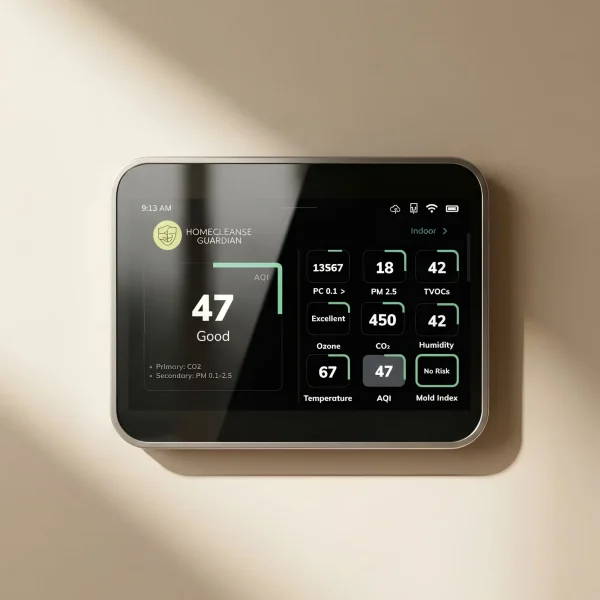
That’s exactly why we created Guardian.
Instead of waiting for obvious signs, Guardian continuously monitors your indoor environment and alerts you when conditions begin to change. Whether it’s rising humidity, increased airborne particles, or other shifts in your home’s air quality, you’ll have the information you need to investigate potential issues before they have a chance to become bigger problems.
At the end of the day, protecting your home isn’t just about solving today’s problems. It’s about catching tomorrow’s problems early. A little awareness now can go a long way toward helping you maintain a healthier indoor environment for years to come.
One Takeaway
If there’s one thing to take away, it’s this: there isn’t a universal response to mold exposure.
Two people can live in the same home, breathe the same air, and have completely different experiences. Genetics, immune function, age, environmental exposures, the condition of the building, and many other factors can all influence how someone responds. That’s why understanding both the body and the home is so important.
If you’ve been struggling to find answers, don’t dismiss what you’re experiencing simply because someone else in your home feels fine. While mold isn’t always the cause of health concerns, your indoor environment deserves to be part of the conversation. By taking the time to understand what’s happening inside your home and working with knowledgeable professionals when needed, you can make informed decisions that support both your home and your health.

Related Questions
Can mold make one family member sick but not another?
Yes. People can respond differently to the same environment based on factors such as genetics, immune function, allergies, asthma, age, overall health, toxic burden, and the amount of time they spend in the affected environment.
Does everyone exposed to mold get sick?
No. Some people develop noticeable symptoms, while others experience few or none. Individual biology, the condition of the building, and the nature of the exposure all influence how someone may respond. That said, we do not fully understand the long-term effects of mold exposure, but recent studies show that the outlook is not positive. So it’s especially important to eliminate any mold growth in the home.
Can healthy people react to mold?
Yes. Being healthy doesn’t make someone immune to mold or other contaminants found in water-damaged buildings. While some individuals may be more susceptible than others, healthy people can also experience symptoms depending on the environment and their individual response.

Still Wondering If Mold Is a Problem?
You don’t have to figure this out on your own.
If something doesn’t feel resolved, or you’re not getting clear answers, it’s worth talking it through.
A complimentary consultation with our team can help you:
- understand what may have been missed
- make sense of your current situation
- and identify the next right step
No pressure. Just clarity.
Book Your Call
A member of our team is here to help! Click on “Get Started ➤” below to book a consultation with a member of the HOMECLEANSE team. We have a few quick questions that will help us put together a roadmap to solve or prevent all of your mold problems.
Two minutes of your time could lead to better health for you and your family.
Citations:
CDC: Mold and Health https://www.cdc.gov/mold-health/
CDC / NIOSH: Health Problems from Mold https://www.cdc.gov/niosh/mold/health-problems/
CDC / NIOSH: Mold, Testing, and Remediation (Workplace) https://www.cdc.gov/niosh/mold/
U.S. EPA: Mold Course (excellent general resource) https://www.epa.gov/mold
U.S. EPA: Can Mold Cause Health Problems? https://www.epa.gov/mold/can-mold-cause-health-problems
U.S. EPA: A Brief Guide to Mold, Moisture and Your Home (PDF) https://www.epa.gov/mold/brief-guide-mold-moisture-and-your-home
World Health Organization: WHO Guidelines for Indoor Air Quality: Dampness and Mould https://www.who.int/publications/i/item/9789289041683
National Academies: Damp Indoor Spaces and Health (2004) https://nap.nationalacademies.org/catalog/11011/damp-indoor-spaces-and-health
American Academy of Allergy, Asthma & Immunology (AAAAI): Mold Allergy https://www.aaaai.org/tools-for-the-public/conditions-library/allergies/mold-allergy
American College of Allergy, Asthma & Immunology (ACAAI): Mold Allergy https://acaai.org/allergies/allergic-conditions/mold-allergy/
Cleveland Clinic: Mold Allergy https://my.clevelandclinic.org/health/diseases/8610-mold-allergy
Mayo Clinic: Mold Allergy Symptoms & Causes https://www.mayoclinic.org/diseases-conditions/mold-allergy/symptoms-causes/syc-20351519
Johns Hopkins Medicine: Mold and Indoor Air Quality Resources https://www.hopkinsmedicine.org/health
Mendell MJ, et al. Respiratory and Allergic Health Effects of Dampness, Mold, and Dampness-Related Agents: A Review of the Epidemiologic Evidence. https://pubmed.ncbi.nlm.nih.gov/21196314/
Fisk WJ, Lei-Gomez Q, Mendell MJ. Meta-Analyses of the Associations of Respiratory Health Effects with Dampness and Mold in Homes. https://pubmed.ncbi.nlm.nih.gov/19639283/
Quansah R, et al. Residential Dampness and Molds and the Risk of Developing Asthma: A Systematic Review and Meta-Analysis. https://pubmed.ncbi.nlm.nih.gov/22370963/
Chauhan, B., Santiago, L., Kirschmann, D. A., Hauptfeld, V., Knutsen, A. P., Hutcheson, P. S., ... & Bellone, C. J. (1997). The association of HLA-DR alleles and T cell activation with allergic bronchopulmonary aspergillosis. The Journal of Immunology, 159(8), 4072-4076.
Knutsen, A. P., Vijay, H. M., Kumar, V., Kariuki, B., Santiago, L. A., Graff, R., ... & Shah, M. R. (2010). Mold‐sensitivity in children with moderate‐severe asthma is associated with HLA‐DR and HLA‐DQ. Allergy, 65(11), 1367-1375.
Interested in Learning More?
If you’re trying to better understand what may be happening inside your home, our website is filled with resources designed to help you make informed decisions and provide you with peace of mind