
Mold Resources
Dry ice blasting is sometimes used in industrial cleaning to remove surface contamination. However, HomeCleanse does not rely on it for mold remediation in residential homes because the process can aerosolize mold spores, raise safety concerns in confined spaces, and primarily removes contamination from surfaces rather than addressing deeper growth within porous materials.
Instead, HomeCleanse focuses on remediation methods designed to control contamination, treat deeper material layers, and support long-term indoor environmental stability.
Let’s Dive Deeper
In recent years, dry ice blasting has become a popular tool in the mold remediation industry. It’s often marketed as a fast, chemical-free way to remove mold from surfaces.
And in certain industrial environments, it can absolutely serve a purpose. But you know what they say about silver bullets…
When it comes to remediating mold inside homes where people live, sleep, and breathe, the conversation becomes much more complex.
At HomeCleanse, we’ve evaluated many different remediation technologies over the years, including dry ice blasting. While the method has some legitimate industrial uses, our team has chosen not to rely on it as a primary mold remediation technique.
That decision comes from years of field experience, careful evaluation of worker and occupant safety, and our commitment to providing the most thorough and medically responsible remediation possible.
Below are some of the key reasons behind that choice.
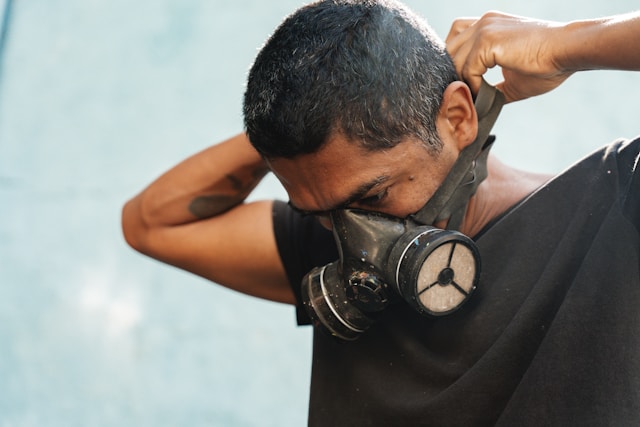
1. Atmospheric and Respiratory Safety Considerations
Carbon Dioxide Displacement
Dry ice is the solid form of carbon dioxide (CO₂). When the pellets strike a surface during blasting, they immediately sublimate, meaning they transition directly from a solid into a gas.
During this process, the carbon dioxide expands dramatically in volume. In confined spaces such as:
crawlspaces
attics
wall cavities
…that expanding gas can displace oxygen in the surrounding air.
Why That’s an Invisible Risk
Carbon dioxide is:
colorless
odorless
impossible to detect without monitoring equipment
Without proper ventilation and continuous monitoring, oxygen levels can drop quickly enough to create a potential asphyxiation hazard for technicians working in the space.
While experienced operators can manage this risk, HomeCleanse prioritizes remediation methods that reduce environmental hazards altogether whenever possible for our teams.
Mold Spore Aerosolization
Dry ice blasting is a high-velocity kinetic process. Pellets strike the surface at significant speed in order to break apart contamination. So, basically, particles hit a surface really fast, knocking stuff loose so it’s no longer present.
One major concern with this approach is that the force of the blast can aerosolize mold spores and contaminated particles, sending them into the surrounding air.
If containment and negative air pressure systems are not well controlled, these particles can spread into other areas of the home, resulting in prolonged exposure for those living inside.
Preventing cross-contamination is one of the most critical parts of professional remediation. Because of this, our protocols prioritize techniques that minimize the risk of particles becoming airborne and spreading throughout the environment.
2. Worker Safety Considerations
Dry ice blasting equipment also introduces several occupational safety risks, which must be carefully managed.
Cryogenic Burns
Dry ice has an extremely cold surface temperature of approximately:
−78.5°C (−109°F)
That’s pretty cold~ Direct skin contact can cause instant frostbite or severe cold burns, which is why specialized protective equipment is required when handling the material.
High-Pressure Injection Injuries
Dry ice blasting systems operate at very high PSI levels. That basically means how hard something is pushing in one small area.
In some cases, accidental discharge toward skin can cause serious injury, including:
deep tissue damage
pressurized gas injection into tissue
These types of injuries are well-documented in high-pressure industrial equipment environments, and they are the types of situations we strive to avoid.
Extreme Noise Levels
Dry ice blasting is also extremely loud, often exceeding 110–115 decibels depending on the equipment being used.
For context, prolonged exposure above 85 decibels can lead to hearing damage. Because of this, technicians must wear dual hearing protection, such as earplugs combined with earmuffs.
While many of these risks can be mitigated through strict safety procedures, HomeCleanse prefers remediation methods that avoid introducing these hazards in the first place.
3. Material and Structural Considerations
Dry ice blasting is frequently described as “non-abrasive.” However, that doesn’t necessarily mean it is appropriate for every surface commonly found in residential construction. Let’s explore why.
Thermal Shock
Because the process rapidly freezes surfaces, some materials can experience thermal shock when exposed to extreme temperature changes.
In certain conditions, this rapid cooling can contribute to:
cracking in glass
stress fractures in older plastics or resins
damage to delicate finishes or coatings
Older homes with aging materials may be particularly vulnerable to these types of stresses.
Condensation and Moisture Concerns
Dry ice blasting dramatically lowers the temperature of the surface being cleaned.
Once the blasting stops, the cold surface can cause moisture in the surrounding air to condense.
If that condensation is not quickly addressed through proper drying and environmental control, it may create conditions that allow mold to re-establish itself on the surface. That’s definitely not the result we want from a remediation project.
Surface Impact on Soft Materials
On softer materials such as structural lumber, the force of high-velocity pellets can sometimes etch or roughen the wood grain.
While this may not always cause structural damage, it can affect the surface condition of the material and may create additional cleaning or finishing work afterward.

4. Effectiveness and Operational Limitations
Surface Cleaning vs. Deep Remediation
Dry ice blasting is primarily designed to remove visible contamination from surfaces.
However, mold growth often penetrates deeper into porous materials like wood and drywall. These organisms form complex structures known as mycelium, which can extend below the visible surface.
Because of this, surface-level removal does not always address the full depth of contamination within porous or semi-porous building materials.
Effective remediation typically requires a combination of:
physical removal
targeted cleaning protocols
antimicrobial treatment when appropriate
structural drying and moisture control
Operational Complexity
Dry ice blasting also requires significant equipment and logistical planning, including:
large industrial air compressors
specialized blasting systems
a continuous supply of dry ice pellets
Dry ice pellets have a very short shelf life, meaning they must be produced or delivered shortly before use. For large or multi-day remediation projects, maintaining this supply can become complicated and open the door for delays in the timeline.

Our Approach at HomeCleanse
At HomeCleanse, remediation protocols are designed around one central goal:
Restoring a home to a healthy, stable indoor environment.
To accomplish that, our process prioritizes:
protecting occupant and worker safety
preventing cross-contamination
addressing contamination at the source
thoroughly treating porous materials
controlling moisture to prevent recurrence
Our remediation methods typically combine:
advanced containment and negative pressure systems
targeted removal and cleaning protocols
safe antimicrobial technologies when appropriate
structural drying and humidity management
root cause identification and prevention strategies
The objective is not simply to remove visible mold, but to restore environmental stability throughout the home.
The Bottom Line
Dry ice blasting can be useful in certain industrial cleaning environments.
However, when it comes to remediating mold inside residential homes, HomeCleanse believes there are safer and more effective approaches available.
That’s why our team focuses on remediation strategies that provide:
greater environmental control
deeper treatment of contamination
stronger long-term results for homeowners
Because when it comes to indoor environments, the goal isn’t just cleaning a surface.
It’s helping create a home where people can breathe easier, live comfortably, and feel confident in the health of their space.

Frequently Asked Questions
Is dry ice blasting safe for mold removal?
Dry ice blasting can be used safely in certain industrial cleaning applications when proper ventilation, containment, and monitoring systems are in place. However, when used in residential mold remediation, there are concerns about spore aerosolization, confined-space safety, and whether the process fully addresses contamination within porous materials.
Why do some remediation companies use dry ice blasting?
Some companies use dry ice blasting because it can remove visible mold quickly from surfaces like wood framing or concrete. It is also marketed as a chemical-free cleaning option. However, removing surface contamination does not always address deeper mold growth within porous materials.
Does dry ice blasting remove mold completely?
Dry ice blasting can remove visible mold growth from surfaces. However, mold organisms often extend deeper into porous materials through structures called mycelium. Because of this, additional remediation steps are often needed to address deeper contamination and prevent regrowth.
Interested in Learning More?
If you’re trying to better understand what may be happening inside your home, our website is filled with resources designed to help you make informed decisions and provide you with peace of mind.
Still Have Questions?
A member of our team is here to help! Click on “Get Started ➤” below to book a consultation with a member of the HOMECLEANSE team. We have a few quick questions that will help us put together a roadmap to solve or prevent all of your mold problems.
Two minutes of your time could lead to better health for you and your family.