
Mold Resources
Aspergillus Penicillium is one of the most frequently reported mold groups found in homes, workplaces, and schools. Often lumped together in test results as Aspergillus/Penicillium, these molds belong to the family Aspergillaceae. With over 592 accepted species of Aspergillus and more than 350 species of Penicillium, this group of fungi is both vast and diverse.
Because the spores are nearly identical under the microscope, traditional laboratory analysis often can’t distinguish between them. This is why mold reports commonly list them together.
What Does Aspergillus Penicillium Look Like?
The appearance of Aspergillus Penicillium molds varies greatly depending on the exact species and the conditions in which they’re growing. Colonies may look white, yellow, brown, black, or shades of greenish-gray. Growth patterns can range from flat, powdery patches to more raised, textured colonies.
An important clue to hidden growth comes from odor. Both release volatile organic compounds (VOCs), which can create that musty, earthy, cigar-like smell often associated with mold. If your home smells like mold, it’s worth investigating further.
Where Does Aspergillus Penicillium Grow?
Outdoors, these molds thrive on dead leaves, compost, and decaying plants. Indoors, they can grow on almost any organic surface, including:
- Wood
- Drywall paper backing
- Textiles and carpets
- Painted surfaces
- Spoiled food
- Household dust
Because of their adaptability, Aspergillus Penicillium molds are some of the first species to colonize damp or water-damaged environments.
Is Aspergillus Penicillium Mold Dangerous?
Exposure is common—after all, these spores are everywhere in the environment. For many people, casual contact doesn’t lead to symptoms. The concern arises when mold grows indoors in large quantities, releasing massive amounts of spores into the air.
Potential health effects include:
- Headaches or migraines
- Sinus problems
- Coughing
- Other respiratory issues
- Rashes
- Hair loss
- Digestive issues
- Brain fog
- Chronic fatigue
- Other neurological problems
Another concern is Aspergillosis, a serious fungal infection caused by Aspergillus species that can spread to the lungs, brain, heart, kidneys, or skin. Severe cases may cause fever, chills, chest pain, headaches, or even coughing up blood.
Children, the elderly, and those with chronic illnesses or compromised immune systems face the greatest risk.
How AI Is Changing Aspergillus Penicillium Detection
One of the challenges in dealing with this mold is accurate identification. Because the spores look so similar under a microscope, even trained analysts may group them together. This is where AI in environmental testing is beginning to make an impact.
Machine learning and AI-driven image recognition are being developed to help distinguish subtle spore differences and improve laboratory accuracy. AI can also assist in predicting mold growth patterns based on temperature, humidity, and building material data, offering a faster way to catch problems before they become severe.
As this technology advances, it could give homeowners, inspectors, and remediation teams more precise data to act on—leading to healthier indoor environments.
What To Do If You Suspect Aspergillus Penicillium in Your Home
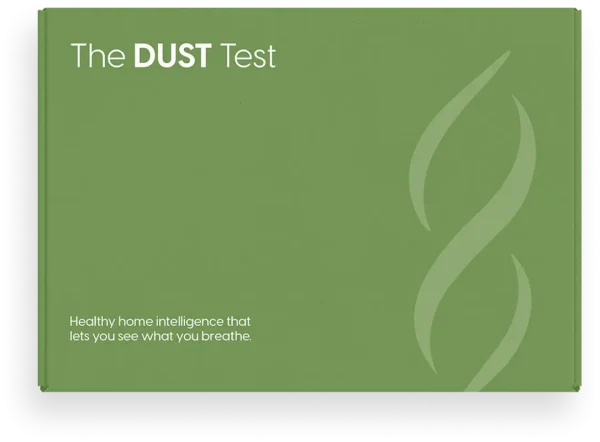
The first step is testing. At HomeCleanse, we recommend starting with The Dust Test.
Why The Dust Test Works
Traditional inspections may miss hidden mold, leaving you wondering if the problem was fully addressed. With The Dust Test, you get a clear picture of what contaminants are present in your home—mold, bacteria, and even biotoxins—before your inspector arrives.
This data helps guide your remediation plan and ensures no contamination source is overlooked. Addressing Aspergillus Penicillium early prevents further colonization and reduces exposure risks.
Taking Action for Your Health
If your test results show Aspergillus Penicillium, don’t ignore them. Quick action not only protects your home but also supports your long-term health. Contact a qualified remediation specialist and consult with a medical professional familiar with environmental exposures.
Awareness Matters
Aspergillus Penicillium molds are common but harmful when they take hold indoors. Thanks to enhanced testing, identifying and eliminating these molds is becoming better than ever. The key is early detection, informed action, and proper remediation.
If you suspect Aspergillus Penicillium mold in your home, book a call with our HomeCleanse Service Team today. Your health and your home deserve it.
Tools For Preventing Aspergillus or Penicillium
Showing all 3 results
-

Mold & Bacteria Contents Cleaning
Remove harmful pollutants that accumulate in the dust of your home. (Options available for renters...
-
Price range: $99.00 through $349.00 Shop Now -
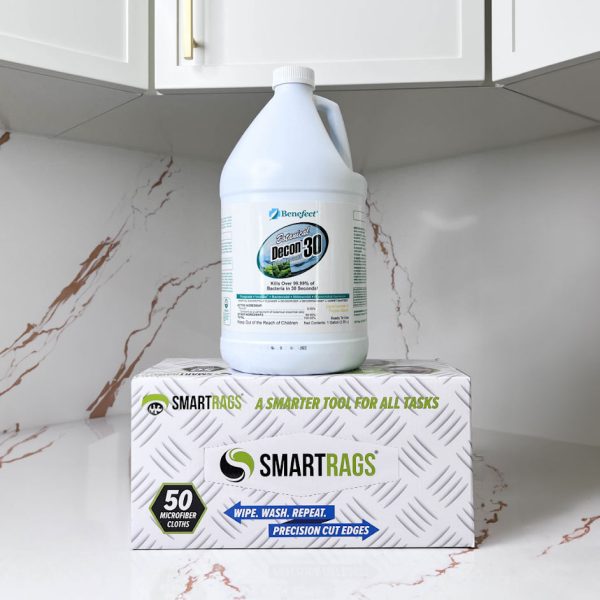
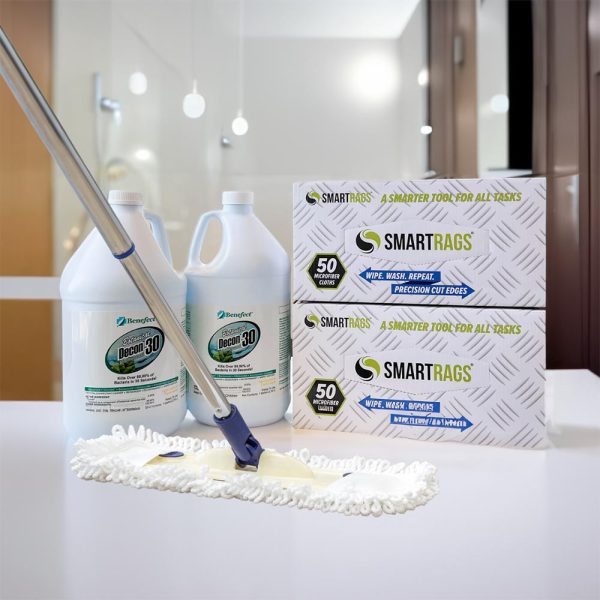
HomeCleanse Cleaning
Take your cleaning to the next level buying all the tools we use to keep...
-
Price range: $299.00 through $549.00 Shop Now -
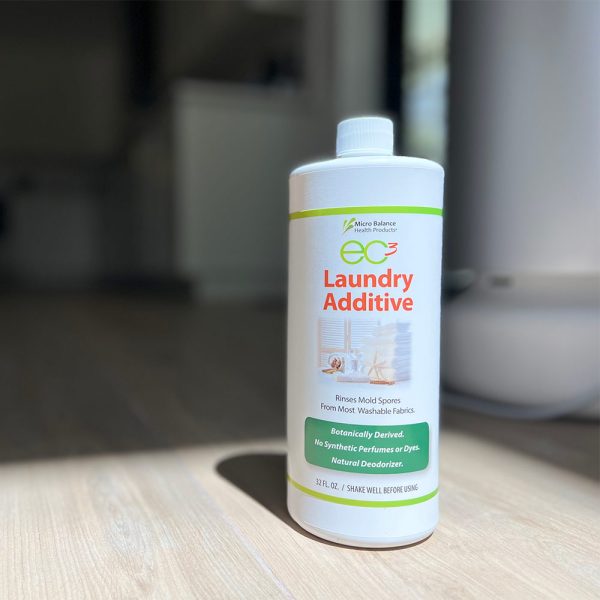
EC3 Laundry Additive
Add EC3 to every rinse cycle to rinse away mold, bacteria and musty odors from...
-
$23.00 Shop Now
Still Have Questions?
A member of our team is here to help! Click on “Get Started ➤” below to book a consultation with a member of the HOMECLEANSE team. We have a few quick questions that will help us put together a roadmap to solve or prevent all of your mold problems.
Two minutes of your time could lead to better health for you and your family.
Resources:
- https://pubmed.ncbi.nlm.nih.gov/7722784/
- Featured Mold - Aspergillus and Penicillium - Indoor Science
- Aspergillus | Mycology | University of Adelaide
- Penicillium Sp. | Viticulture and Enology
- https://newtonlaboratory.com/mold/aspergillus-and-penicillium/
- Aspergillosis - Symptoms & causes - Mayo Clinic