
A house can smell musty even when it looks clean because musty odors are commonly linked to hidden moisture, mold growth, trapped humidity, and microbial activity within the home.
Even when surfaces appear spotless, moisture can become trapped inside materials such as drywall, flooring, carpeting, insulation, HVAC systems, or crawlspaces. Over time, that damp environment can support mold and other microbial growth that releases odor-causing compounds into the air.
In many cases, the smell develops long before visible damage or visible mold ever appears.
Why This Feels So Frustrating
One of the most confusing parts about musty odors is that they often appear in homes that look completely normal.
You clean regularly. There’s no visible mold. Nothing obvious seems wrong.
And yet… something about the air feels off.
Maybe the smell comes and goes. Maybe it’s stronger after rain or when the HVAC system runs. Maybe certain rooms feel heavier or stale even though everything looks spotless.
That disconnect can make people feel like they’re overthinking things or making it up in their heads.
But indoor environmental issues are often hidden long before they become visible.

Why a Home Can Smell “Off” Without Visible Mold
A musty smell is usually connected to moisture in some form.
When materials inside a home remain damp, microbial activity can begin developing beneath surfaces or within hidden spaces. As this happens, microscopic compounds called microbial volatile organic compounds (MVOCs) can be released into the air.
These compounds are what create the earthy, stale, cigar-like, or damp smell people often associate with mold.
The important thing to understand is that the source does not need to be visible for odors to occur.
Moisture and microbial growth can exist:
behind walls
under flooring
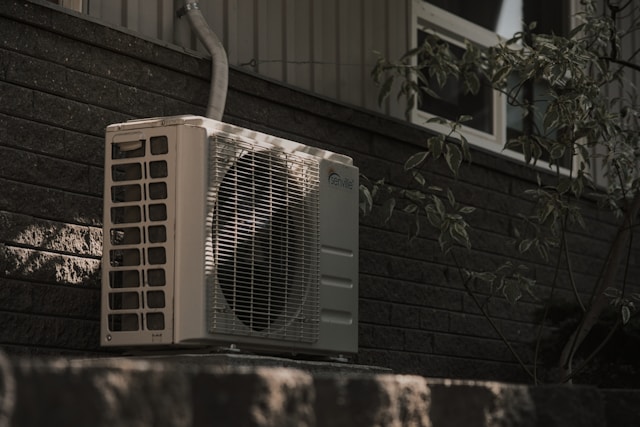
inside HVAC systems
beneath sinks or tubs
in crawlspaces or attics
Problem areas can exist before visible staining or damage appears.
The Science: Why Odors Can Linger Indoors
Modern homes are designed to be more energy-efficient and tightly sealed.
While this improves heating and cooling efficiency, it also reduces natural air exchange. In building science, fewer air changes per hour (ACH) means particles, humidity, and odors can remain trapped indoors longer.
Instead of quickly dispersing, odors may:
circulate through the HVAC system
settle into fabrics and dust
become stronger in humid conditions
linger in low-airflow areas
This is one reason a home can continue smelling musty even after cleaning surfaces repeatedly.
Common Hidden Sources of Musty Smells
A musty odor does not always mean there is a large mold problem, but it does usually indicate that moisture and microbial growth are present somewhere.
Some common hidden sources include:
HVAC Systems
Dust, humidity, and condensation inside HVAC systems can create ongoing odors that spread throughout the home.
Past Water Damage
Even old leaks can leave behind damp materials that continue holding moisture or particles.
Crawlspaces and Basements
These areas often have elevated humidity and limited airflow, making them common odor sources.
Bathrooms and Laundry Areas
Repeated moisture exposure combined with poor ventilation can contribute to persistent smells.
Carpets and Upholstery
Soft materials can trap particles, moisture, and odors over time, especially in humid environments.
Why Humidity Changes Everything
Humidity is one of the biggest drivers behind musty indoor environments.
When indoor humidity consistently rises above roughly 55%, materials begin retaining more moisture from the air. This creates conditions where odors become stronger, and microbial growth is more likely to occur.
This is why many people notice musty smells becoming worse:
during summer
after storms
in humid climates
or when airflow is poor
Managing humidity is one of the most important parts of maintaining healthy indoor air quality.

Why Cleaning Alone Doesn’t Always Fix the Smell
This is where many people get stuck.
If the underlying moisture issue has not been identified, cleaning surfaces may only temporarily reduce the odor.
That’s because the smell is often being generated from:
inside materials
hidden spaces
active microbial growth
or areas continuously affected by moisture
In other words, the environment itself may still be supporting the odor.
This is why musty smells often return shortly after cleaning.
What to Pay Attention To
If your home smells musty but looks clean, a few patterns can help narrow down what may be happening.
Pay attention to:
whether the smell changes with weather or humidity
whether it’s stronger in certain rooms
whether it appears when the HVAC system runs
whether there’s a history of leaks or water damage
whether symptoms improve outside the home
These clues can help identify whether the issue may be environmental rather than simply surface-level.
Why The Dust Test Can Be Helpful
One of the challenging parts about musty odors is that the source is not always easy to see.
Because dust continuously collects particles from the indoor environment over time, it can act almost like a historical record of what has been circulating through the home. That includes mold fragments, microbial particles, and other contaminants that may not be obvious during a visual walkthrough alone.
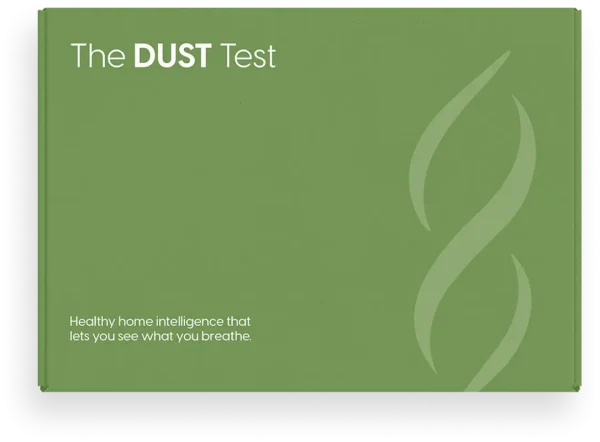
This is one reason The Dust Test can be helpful when trying to evaluate a persistent musty smell.
Instead of only capturing a brief moment in time like many air samples, dust-based testing helps assess what may have been accumulating within the environment over a longer period. This can sometimes provide additional insight into whether hidden moisture or microbial issues may be contributing to the odor.
For homes where the air feels “off” but no obvious source can be identified, it can serve as a useful starting point for gathering more information about the indoor environment.
What You Can Do Next
If musty odors persist, the goal is not to panic. It’s to gather more information about the environment and identify whether hidden moisture or microbial activity may be contributing to the smell.
Helpful starting points include:
monitoring indoor humidity levels
- evaluating airflow and ventilation
- checking for hidden moisture or microbial sources
- replacing HVAC filters
- assessing dust and particle buildup
- using tools like dust-based environmental testing to help identify potential hidden contributors
If the issue continues despite these efforts, a more detailed environmental evaluation may help identify what’s contributing to the smell.
Quick Reality Check
✔ A home can smell musty even if it looks clean
✔ Hidden moisture is often the root cause
✔ Modern airtight homes can trap odors indoors
✔ Humidity strongly affects indoor smells
✔ Cleaning alone may not resolve the underlying issue
Related Questions
People asking this often also wonder:

Final Thoughts
A musty smell in a clean-looking home can feel confusing because the source is often hidden from view.
But indoor environments are more complex than what we can see on the surface. Moisture, airflow, dust, and hidden materials all influence how a home smells and feels over time.
Paying attention to those patterns without jumping straight to fear can help you approach the situation more clearly and confidently.
Because when you understand what your environment may be telling you, it becomes much easier to take meaningful next steps toward improving it.
Have More Questions?
A member of our team is here to help! Click on “Get Started ➤” below to book a free consultation with a member of the HOMECLEANSE team. We have a few quick questions that will help us put together a roadmap to solve or prevent all of your mold problems.
Two minutes of your time could lead to better health for you and your family.
Must-Have Indoor Air Quality Tools
-

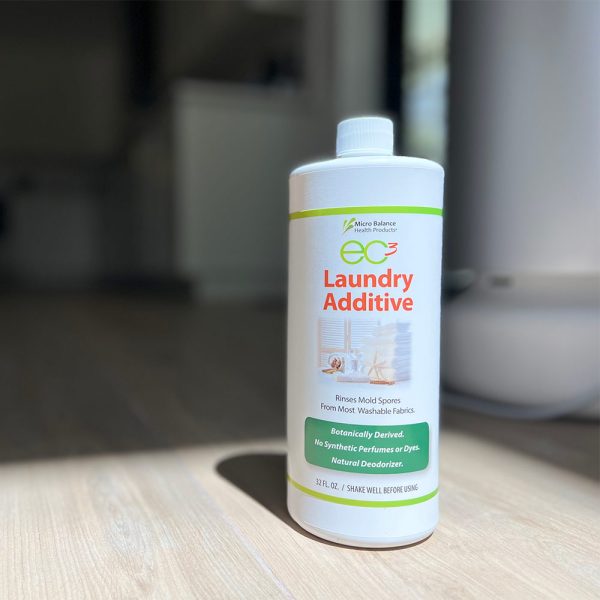
EC3 Laundry Additive
Add EC3 to every rinse cycle to rinse away mold, bacteria and musty odors from...
-
$23.00 Shop Now -

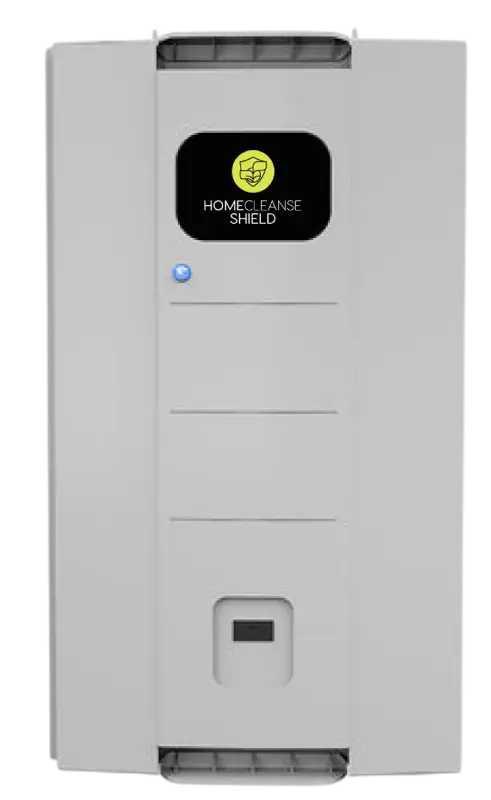
HomeCleanse Shield
Turn your HVAC into the healthiest feature of your home.
-
$2,495.00 Shop Now -
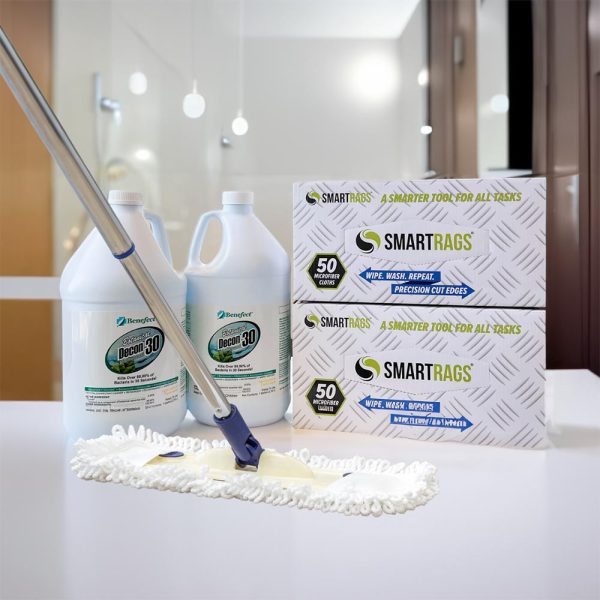
HomeCleanse Cleaning
Take your cleaning to the next level buying all the tools we use to keep...
-
Price range: $299.00 through $549.00 Shop Now -
Mold & Bacteria Contents Cleaning
Remove harmful pollutants that accumulate in the dust of your home. (Options available for renters...
-
Price range: $99.00 through $349.00 Shop Now -

EC3 Mold Solution Concentrate
Micro Balance EC3 Mold Solution Concentrate is a natural botanical that removes mold spores, bacteria,...
-
$33.00 Shop Now -

The Dust Test
Optimizing Air Quality starts with finding what’s not optimal. *Detects 36 different species of mold...
-
$299.00 Shop Now -
EuroClean 4 Gallon Hepa Vacuum
The Euroclean GD930HSP is a 4 Gallon Dry HEPA Vacuum that meets the EPA's standards...
-
$849.00 Shop Now